13-13-13 Fertilizer-Good or Bad?

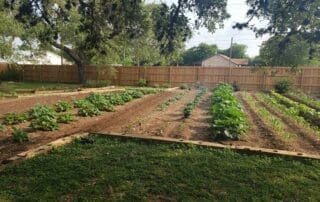
Is 13-13-13 fertilizer good or bad for Central Texas soils? If you garden in Central Texas, you’ve probably seen bags of “all-purpose” fertilizer labeled 13-13-13 and wondered if it’s a safe default. It isn’t—and in our region, it can actually make things worse. Our Soils Aren’t a Blank Slate Most soils across the Hill Country and surrounding areas are naturally alkaline and already high in phosphorus (P). This comes from the underlying limestone geology and years of fertilizer use. A soil test from Texas A&M Soil Testing Lab will often [...]

Tomato Mega Blooms

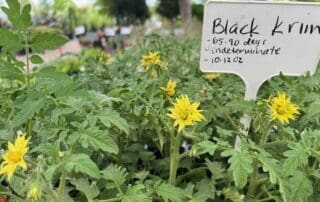
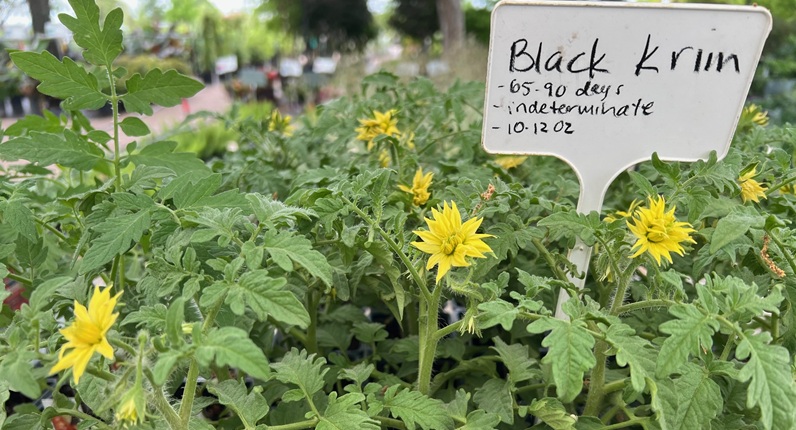
Title: What Are Tomato “Mega Blooms”? (And Should You Be Excited or Worried?) If you’ve been out in your Central Texas garden lately and noticed a giant, almost strange-looking tomato flower—maybe thick, fused, or just extra—you’ve likely encountered what we call a tomato mega bloom. These unusual blossoms can catch even seasoned gardeners off guard, so let’s dig into what they are, why they happen, and whether they’re something you should celebrate… or pinch off. 🌼 What Is a Tomato Mega Bloom?   A tomato mega bloom (also called a [...]

By |2026-04-09T09:46:15-05:00April 9th, 2026|Plants, Vegetable Gardening|

Compost Isn’t the Whole Story

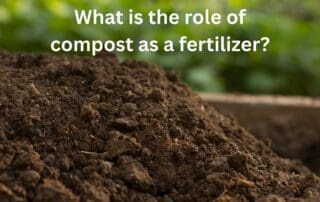
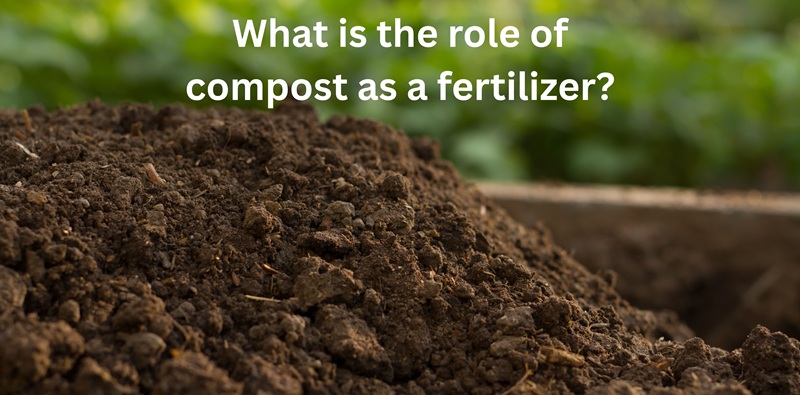
🌱 Compost Isn’t the Whole Story: Building Healthy Soils in Central Texas If you’ve spent any time gardening in Central Texas, you already know our soils can be…challenging. From alkaline clays to rocky Hill Country ground, growing healthy plants often starts with improving what’s under your feet. One of the best tools we have is compost—but it’s not a complete solution on its own. Let’s break down what compost really does in your soil—and why fertilizers still play an important supporting role. 🌿 What Compost Does for Your Soil Compost [...]

By |2026-02-26T08:01:21-06:00February 26th, 2026|Vegetable Gardening, Disease, Plants, Native Plants|

Growing Asparagus in Central Texas

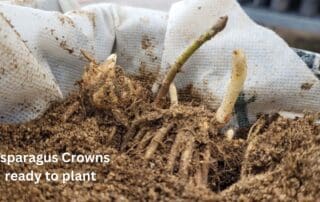
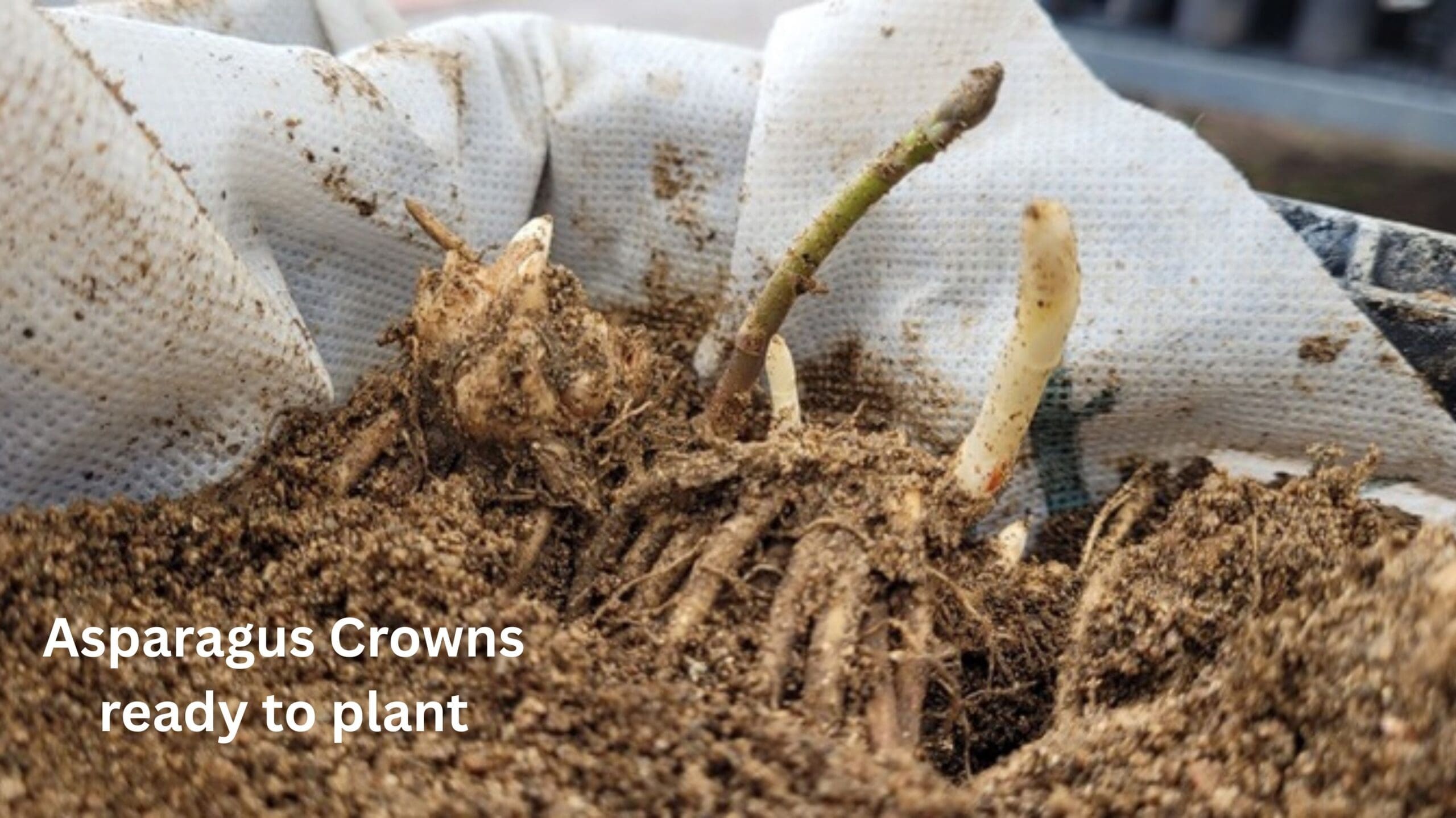
How to Grow Asparagus in Central Texas (Planting, Care, and Harvesting Guide) Growing asparagus in Central Texas is a long-term investment that pays off with decades of fresh, homegrown harvests. With proper planting, soil preparation, and seasonal care, asparagus crowns can produce for 20 years or more—even in our hot Texas climate. This guide covers when to plant asparagus in Central Texas, how to prepare your beds, and how to care for asparagus year after year for maximum yields. When to Plant Asparagus in Central Texas Plant asparagus crowns in [...]

By |2026-01-11T14:17:17-06:00January 11th, 2026|Plants, Vegetable Gardening|

Hail Damage to Plants Recovery Guide

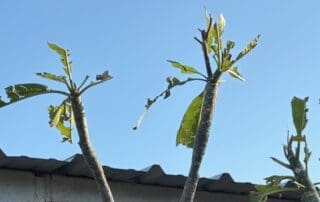
First, I'd like to say how sorry I am if your garden and landscape was damage by hail. While it is a fairly common occurrence in Central Texas, that doesn't make it any easier to take when one day you have a beautiful garden/yard and the next it is shredded.  Assess the damage The first thing that you should do is to assess the damage. Since hail storms often involve high winds, inspect trees for any damaged or broken limbs and locate any plants or trees whose stems were broken [...]

Septoria Leaf Spot of Tomato

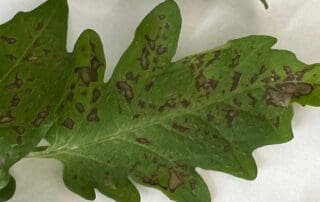
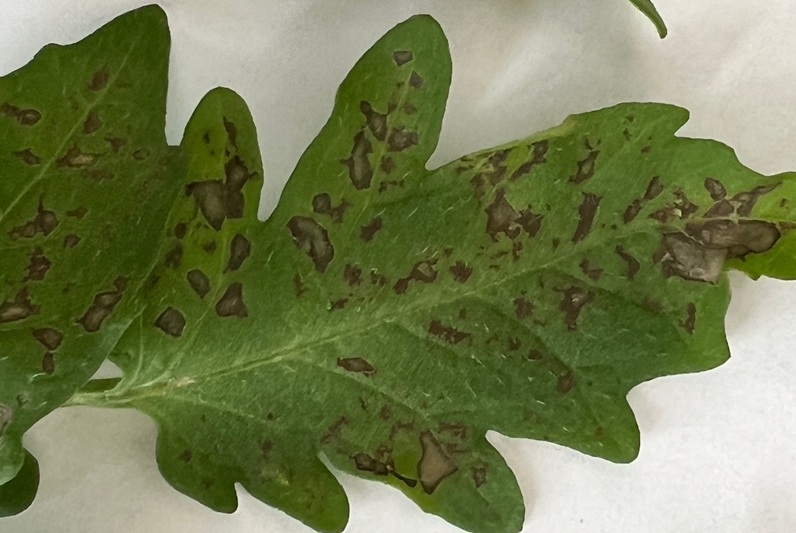
    Tomatoes are susceptible to a variety of fungal leaf spot diseases. Proper cultural methods go a long way in preventing them.           Septoria leaf spot usually shows up on the lower leaves after the fruit has begun to set. Removal of the lower leaves as the plant grows so that splashing water will not spread the disease is recommended.       The fungus overwinters on plant debris or on any plant in the Nightshade family. It can also survive on tomato cages and [...]

By |2025-04-17T13:29:24-05:00April 17th, 2025|Plants, Disease, Vegetable Gardening|

Grow Cilantro from Seed

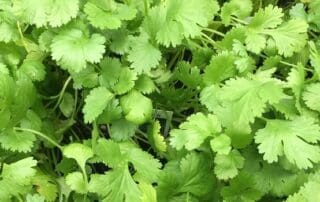
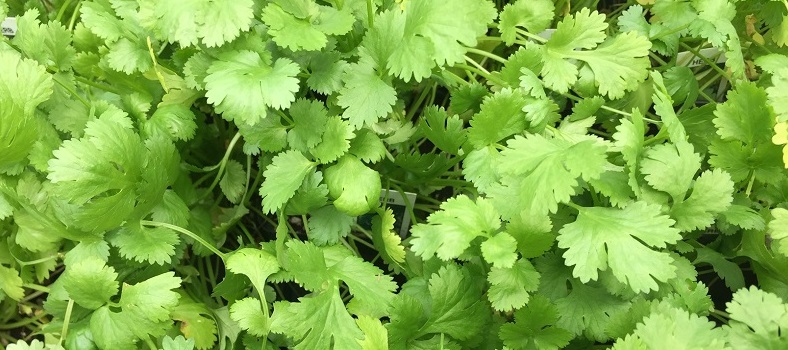
Grow Cilantro from Seed Cilantro is a cool-season crop that grows best when the temperatures are between 50° and 85°F. In Central Texas we can begin seeding Cilantro into our gardens in September/October for a November/December harvest and again in February for an April harvest. When established Cilantro can tolerate temperatures down to 20°F. The leaves may freeze but the plants should grow back. Plants in the ground should be covered with frost cloth if a hard freeze is expected.  If planting Cilantro in November, December or January, planting in [...]

By |2025-12-14T10:29:58-06:00October 12th, 2024|Plants, Vegetable Gardening|

Gardening in Clay Soils in Central Texas

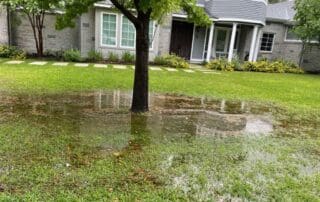
Why is it hard to find information on gardening in clay soils? If you have been gardening in clay soil for very long you have probably had your fair share of failures. It is hard to find lists of plants that will thrive in heavy soil, as no one really wants to stick their neck out with recommendations in case it doesn’t work. Of course, there are many variables that need to be considered, and growing conditions are never identical, so please consider this a list of “plants to try” [...]

By |2025-05-03T08:54:27-05:00October 7th, 2024|Plants, Palms, Trees, Vegetable Gardening|

Why are My Tomatoes Not Ripening?

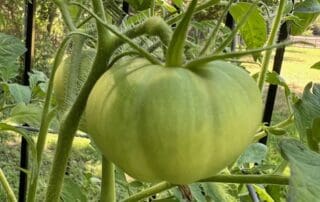
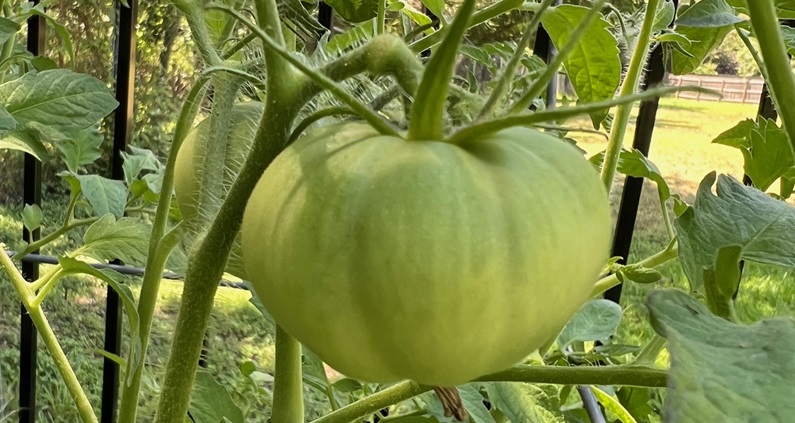
Why Aren’t My Tomatoes Ripening? It’s June, and some of you have been wondering why your tomatoes have continued to remain green and are failing to ripen. The short answer is TEMPERATURE.     The optimum temperature for tomatoes to ripen is 70° to 75°F. If you were a bit late getting your tomatoes planted and/or the temperature got above 85°-90°F early this year, the ripening process slows or even stops. At these high temperatures the pigments lycopene and carotene, which are responsible for giving the fruit the red or [...]

By |2024-06-09T15:35:52-05:00June 9th, 2024|Plants, Vegetable Gardening|

Hard Freeze Preparation in Central Texas

Prepare for a Hard Freeze in Central Texas: A Gardener’s Guide As a horticulturist in Central Texas, I know one thing for sure—our weather keeps us on our toes. Sudden temperature swings are common, and winter forecasts can change quickly. When a hard freeze is predicted, the best approach is simple: prepare for the worst and hope for the best. Current forecasts show lows between 15°F and 25°F, with below-freezing temperatures lasting up to 60 hours or more in some areas. Low-lying valleys often drop colder than higher elevations. Because [...]

Are Epsom Salts Good for Plants?

Myth:    Epsom Salts are a good fertilizer and will promote blooms, make tomatoes and peppers more productive and are a general “cure-all” for the garden. Fact:    Epsom salts contain magnesium sulfate (MgSO4), a very simple chemical consisting of magnesium, water and sulfur. Magnesium is one of the minor elements which plants need to grow, and it is rarely deficient in soils in Central Texas. It may be deficient in a sandy, acidic soil, but we don’t have to worry about that here!  A soil test will confirm if the soil [...]

By |2023-02-28T08:25:13-06:00February 1st, 2023|Vegetable Gardening, Lawn Care|

Weed Control with Horticultural Vinegar

Weed Control with Horticultural Vinegar Are you looking for a more “natural” way to kill unwanted grass and weeds? Fortunately, we have options! One method that has been around for years is using 20% Horticultural Vinegar as a “burn back” method to kill weeds. “Burn back” is exactly what it sounds like. The Vinegar “burns” back the leaves of the weed.  The vinegar is not translocated to the roots like the chemical methods of weed control, and it is likely that the weed will grow back from the roots again. [...]

By |2023-01-23T12:38:45-06:00January 23rd, 2023|Vegetable Gardening, Lawn Care|
Go to Top