How to Control Annual Bluegrass in Central Texas Lawns

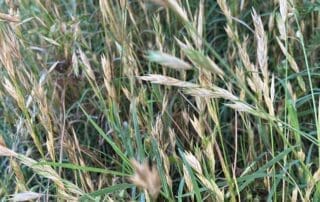
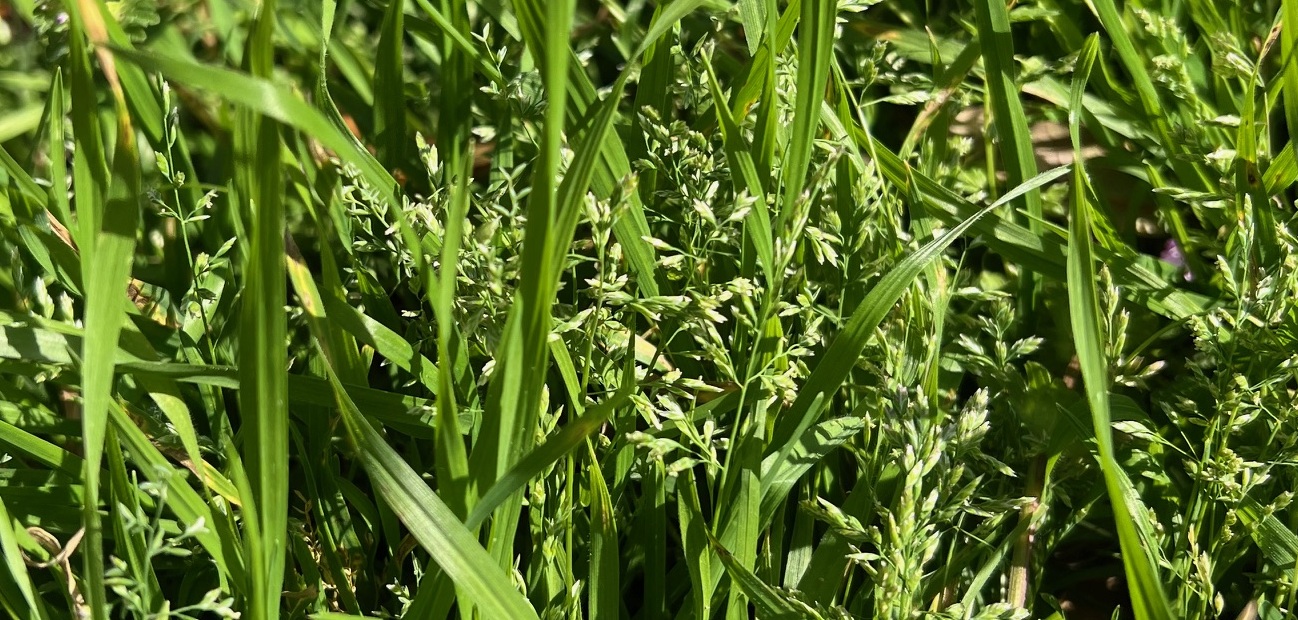
How to Control Annual Bluegrass (Poa annua) in Central Texas Lawns If you’ve noticed bright green clumps popping up across your lawn in late winter and early spring, you’re likely dealing with annual bluegrass (Poa annua). This cool-season grassy weed thrives in Central Texas conditions and has become one of the most frustrating lawn problems for homeowners. As a horticulturist working here in the Texas Hill Country, I want to give you a clear, realistic approach to managing it—because the old “just use a pre-emergent” advice isn’t working like it [...]

By |2026-04-23T14:13:55-05:00April 23rd, 2026|Lawn Care, Weeds|

How to Control Rescuegrass in Central Texas Lawns (Before It Takes Over)

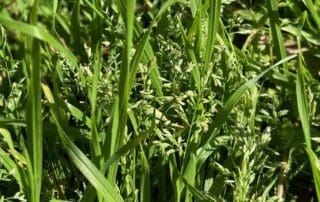
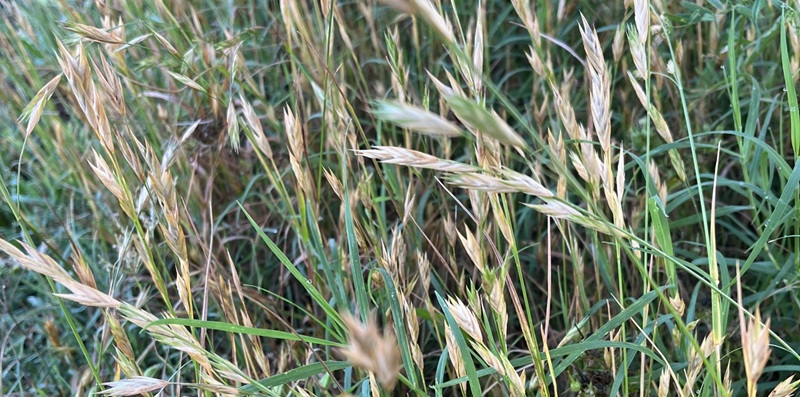
If you’ve noticed patches of light green, fast-growing grass popping up in your lawn during the cooler months, you’re likely dealing with rescuegrass. This common Central Texas weed can be frustrating, but understanding its life cycle is the key to getting ahead of it. What Is Rescuegrass? Rescuegrass is an annual cool-season grass, which means it germinates in the fall, grows through winter and early spring, and then dies out naturally once the summer heat arrives. While that might sound like good news, the problem is that it produces plenty [...]

By |2026-04-23T13:59:13-05:00April 23rd, 2026|Lawn Care, Weeds|

How to Grow Antelope Horn Milkweed from Seed

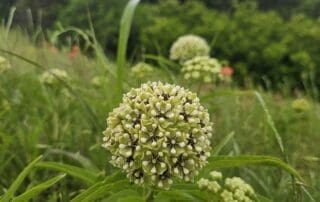
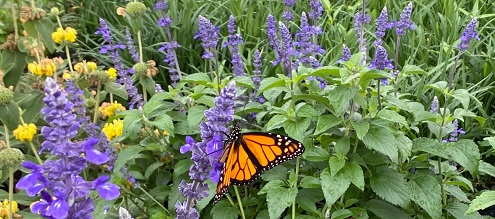
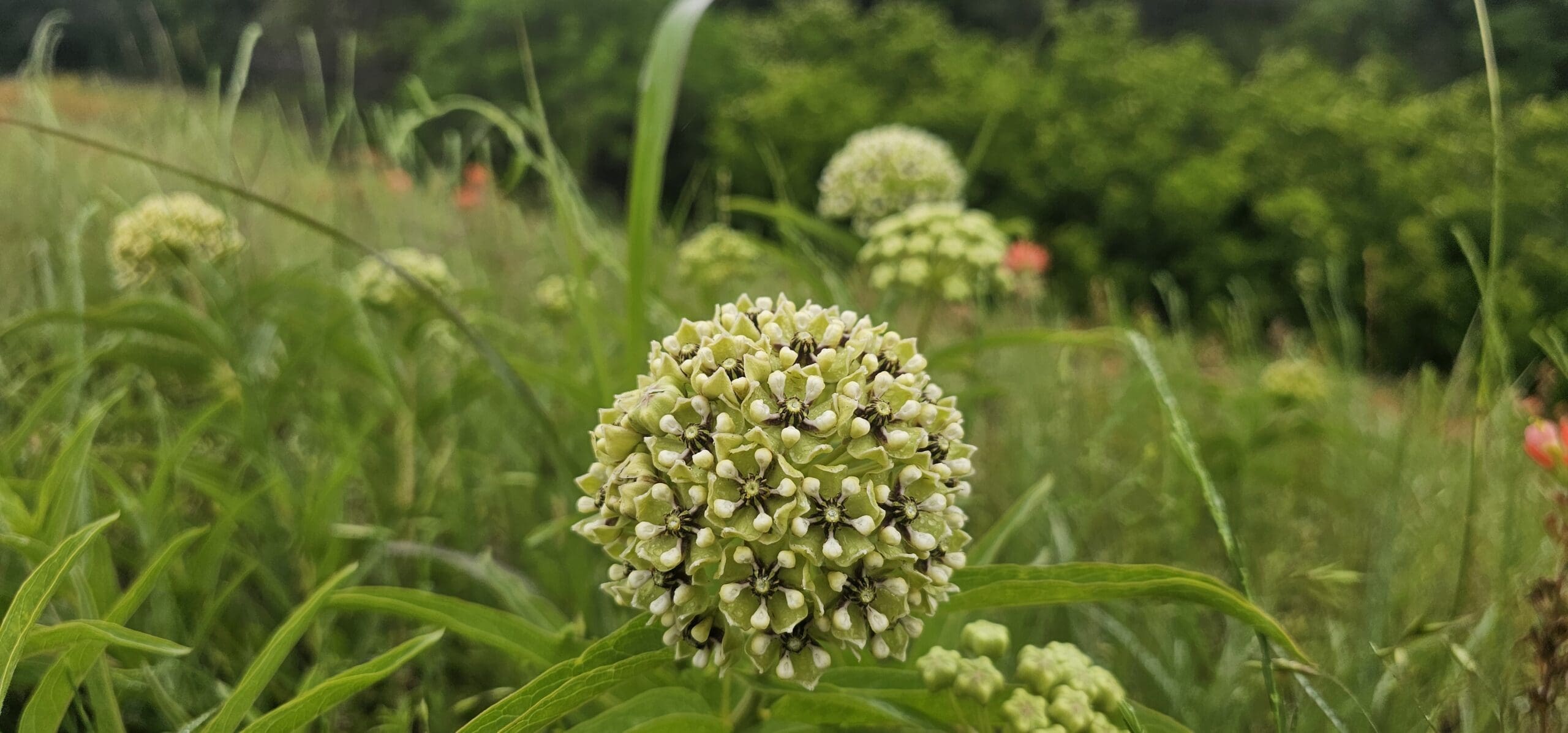
How to Grow Antelope Horn Milkweed from seed (Asclepias asperula) Antelope horn milkweed (Asclepias asperula) is a tough, drought-adapted native that supports monarch butterflies and other pollinators. Because Central Texas soils and climate can be challenging, proper seed preparation and early care are essential. Follow these steps to improve germination and establish healthy plants. Why Grow Antelope Horn Milkweed? First, this native species thrives in rocky, well-drained soils common across the Hill Country. Additionally, it serves as a host plant for monarch caterpillars and provides nectar for beneficial insects. For [...]

By |2026-04-22T14:54:59-05:00April 22nd, 2026|Plants, Native Plants|

13-13-13 Fertilizer-Good or Bad?

Is 13-13-13 fertilizer good or bad for Central Texas soils? If you garden in Central Texas, you’ve probably seen bags of “all-purpose” fertilizer labeled 13-13-13 and wondered if it’s a safe default. It isn’t—and in our region, it can actually make things worse. Our Soils Aren’t a Blank Slate Most soils across the Hill Country and surrounding areas are naturally alkaline and already high in phosphorus (P). This comes from the underlying limestone geology and years of fertilizer use. A soil test from Texas A&M Soil Testing Lab will often [...]

Tomato Mega Blooms

Title: What Are Tomato “Mega Blooms”? (And Should You Be Excited or Worried?) If you’ve been out in your Central Texas garden lately and noticed a giant, almost strange-looking tomato flower—maybe thick, fused, or just extra—you’ve likely encountered what we call a tomato mega bloom. These unusual blossoms can catch even seasoned gardeners off guard, so let’s dig into what they are, why they happen, and whether they’re something you should celebrate… or pinch off. 🌼 What Is a Tomato Mega Bloom?   A tomato mega bloom (also called a [...]

By |2026-04-09T09:46:15-05:00April 9th, 2026|Vegetable Gardening, Plants|

Oak Pollen Benefits

Every spring in Central Texas, oak trees put on their dusty yellow show—and most folks see oak pollen as nothing but a nuisance. Cars turn chartreuse, allergies flare, and patio furniture looks like it’s been rolled in cornmeal. But in a garden, oak pollen is far from useless. In fact, it plays several quiet but meaningful roles in a healthy landscape. A Natural Nutrient Booster Oak pollen is essentially plant protein and micronutrients in powder form. When it settles onto soil, mulch, or lawn, it begins to break down quickly [...]

By |2026-04-01T15:58:45-05:00April 1st, 2026|Plants, Trees|

Do you need advice on what to plant in Central Texas?

If you need advice on what to plant in a specific location of your landscape in Central Texas, there are several key pieces of information that you need to bring to the experts at Backbone in order to receive a recommendation that will thrive in your landscape. Let's go over the information to consider before choosing a tree, shrub or perennial plant for you landscape. What type of soil are you planting in? Central Texas has a variety of soil types, and each one has its own specific properties. Does [...]

Caring for Venus Flytraps in Central Texas

As a horticulturist here in Central Texas, I get a lot of questions about the fascinating Venus flytrap (Dionaea muscipula). While they look exotic, they can absolutely be grown successfully here — with the right care. The key is understanding that they are not typical houseplants. Here’s how to keep your Venus flytrap thriving in our hot, dry climate. ☀️ Light: Full Sun Is Essential Venus flytraps are not low-light terrarium plants. Provide 6+ hours of direct sun daily Morning sun and bright afternoon light are ideal In Central Texas [...]

By |2026-03-09T15:17:46-05:00March 9th, 2026|Plants, Houseplants|

Compost Isn’t the Whole Story

🌱 Compost Isn’t the Whole Story: Building Healthy Soils in Central Texas If you’ve spent any time gardening in Central Texas, you already know our soils can be…challenging. From alkaline clays to rocky Hill Country ground, growing healthy plants often starts with improving what’s under your feet. One of the best tools we have is compost—but it’s not a complete solution on its own. Let’s break down what compost really does in your soil—and why fertilizers still play an important supporting role. 🌿 What Compost Does for Your Soil Compost [...]

By |2026-02-26T08:01:21-06:00February 26th, 2026|Vegetable Gardening, Disease, Plants, Native Plants|

Growing Asparagus in Central Texas

How to Grow Asparagus in Central Texas (Planting, Care, and Harvesting Guide) Growing asparagus in Central Texas is a long-term investment that pays off with decades of fresh, homegrown harvests. With proper planting, soil preparation, and seasonal care, asparagus crowns can produce for 20 years or more—even in our hot Texas climate. This guide covers when to plant asparagus in Central Texas, how to prepare your beds, and how to care for asparagus year after year for maximum yields. When to Plant Asparagus in Central Texas Plant asparagus crowns in [...]

By |2026-01-11T14:17:17-06:00January 11th, 2026|Vegetable Gardening, Plants|

Oil Products for Insect and Disease Control

Using Oil Products as Effective Alternatives to Synthetic Pesticides Gardeners today can choose from a wide range of oil-based products that serve as effective alternatives to synthetic insecticides and fungicides. These products include oils refined from petroleum as well as oils extracted from plants and animals. In Central Texas landscapes, horticultural oils offer reliable pest and disease control with minimal environmental impact. Petroleum-Based Horticultural Oils Petroleum oils, including mineral oils, consist of highly refined paraffinic oils commonly sold as horticultural spray oil, summer oil, or white mineral oil. These modern [...]

By |2026-02-02T13:13:12-06:00January 11th, 2026|Disease, Insects|

Tree Installation Fees 2026

Tree Installation Fees These are our basic installation fees. Pricing may vary depending on tree location and soil conditions. Trees over 100 gallon size and large palm trees will require a separate quote. If soil is shallow or clay based, additional soil may need to be brought in at an additional fee. All tree installations will require a mandatory delivery fee based on mileage. This charge is per trip, for as many trees that will fit on our trailer.    Install Fee:     50% of the retail price of [...]

By |2025-12-29T11:36:44-06:00December 29th, 2025|Trees|
Go to Top