Is Your Tree Planted Too Deep?

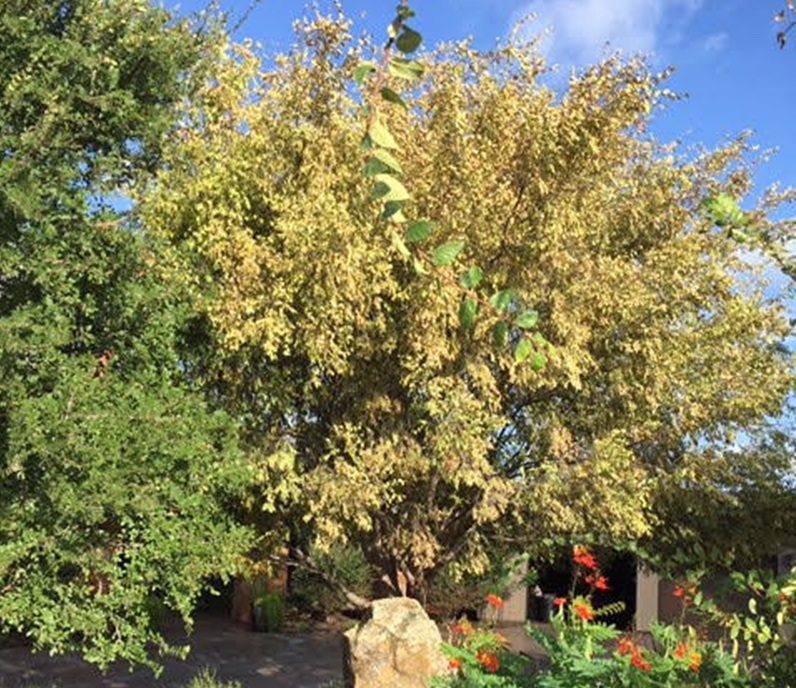
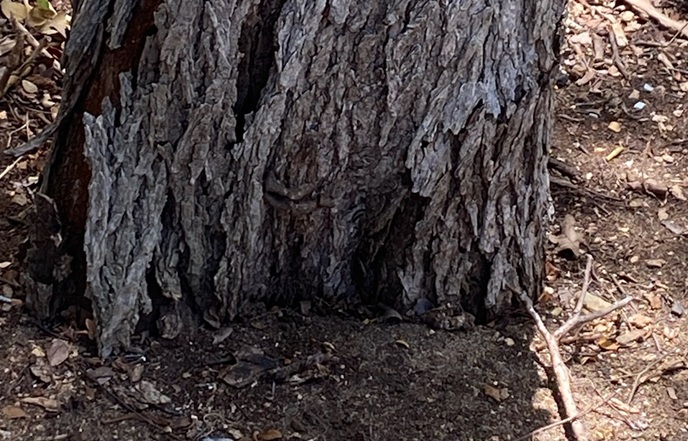
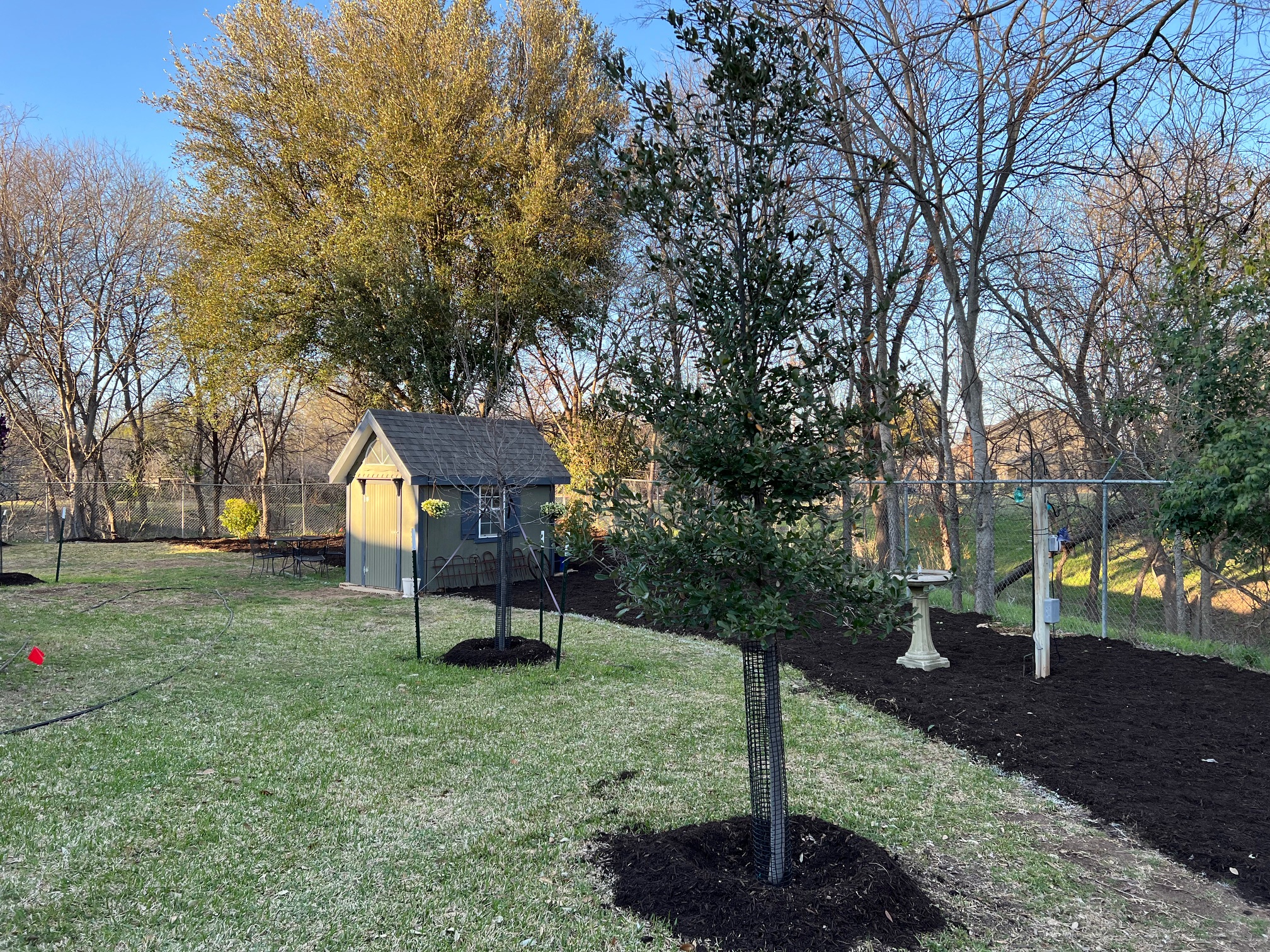
Is your tree planted too deep? Why Planting a Tree Too Deep Is Harmful Trees need oxygen just as much as they need water. The upper root system naturally grows close to the soil surface, where oxygen is most available. When you bury the root flare, you create conditions that can lead to long-term decline. Trees planted too deeply may experience: Poor growth and reduced vigor Yellowing or thinning leaves Premature fall color or leaf drop Increased susceptibility to insects and diseases Trunk decay caused by constant soil and moisture [...]

By |2026-08-01T12:33:18-05:00August 1st, 2026|Trees|

Why Isn’t My Fig Tree Producing Fruit in Central Texas?

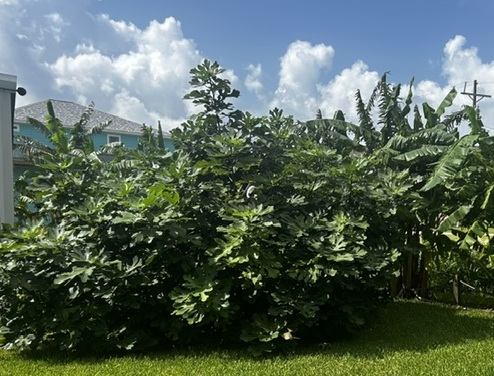
Why Isn't My Fig Tree Producing Fruit? If your fig tree is covered in lush green leaves but refuses to produce fruit, you're not alone. This is one of the most common questions we hear from Central Texas gardeners. The good news is that fig trees are usually reliable producers once they become established. When they don't fruit, the cause is often something you can correct. I've heard it mentioned that some people have not seen a lot of bees around their tree. Rest assured, the figs grown in our [...]

By |2026-07-06T14:40:22-05:00July 6th, 2026|Fruit & Nuts, Plants, Trees|

Palo Verde Caterpillar

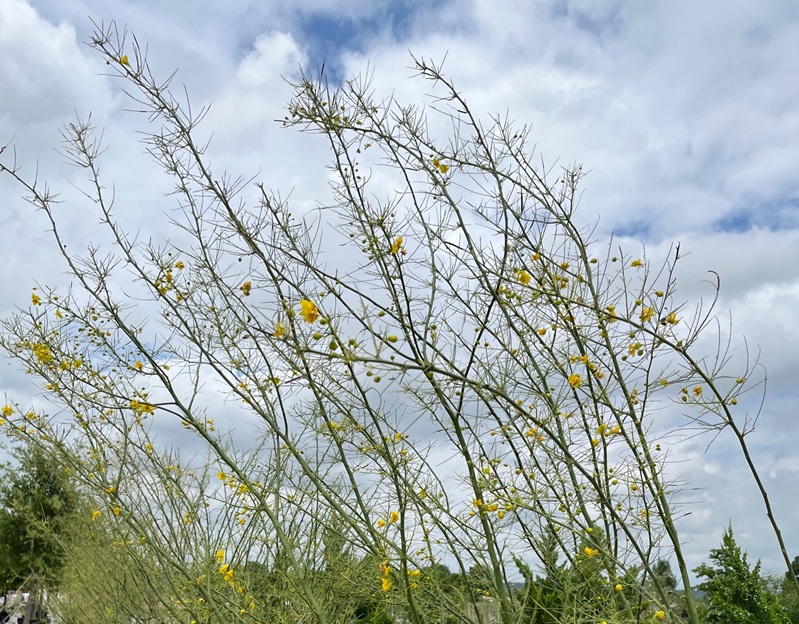
  Has your 'Desert Museum' Palo Verde tree suddenly appeared to have lost all its leaves? If so, it could be the work of the Palo Verde Caterpillar. This night-feeding caterpillar is difficult to find during the day, as it tends to find a cooler spot to hang out. A large number of these chompers can defoliate an established Palo Verde tree almost overnight.             Here's the good news. This caterpillar has a relatively short lifespan and established trees are rarely harmed. By the time [...]

By |2026-05-24T13:37:28-05:00May 24th, 2026|Insects, Trees|

Thrips in Central Texas Gardens

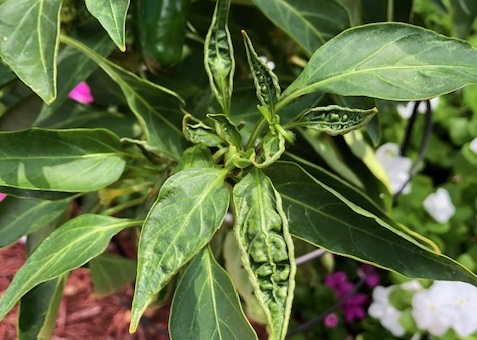
Thrips in Central Texas Gardens: Easy Identification & Control Guide If your flowers look streaked, your buds won’t open, or your vegetables have silvery scars, thrips may be the culprit. These tiny pests love our hot, dry Texas weather and can damage both flowers and food crops quickly. 🔍 What Are Thrips?   Thrips are tiny, slender insects that feed by piercing plant tissue and sucking out juices. They’re hard to see—but their damage is easy to spot. Tip: You’ll almost always notice damage before you ever see the insect. 👉 [...]

By |2026-04-28T13:39:37-05:00April 28th, 2026|Vegetable Gardening, Insects, Plants, Trees, Houseplants, Native Plants|

13-13-13 Fertilizer-Good or Bad?

Is 13-13-13 fertilizer good or bad for Central Texas soils? If you garden in Central Texas, you’ve probably seen bags of “all-purpose” fertilizer labeled 13-13-13 and wondered if it’s a safe default. It isn’t—and in our region, it can actually make things worse. Our Soils Aren’t a Blank Slate Most soils across the Hill Country and surrounding areas are naturally alkaline and already high in phosphorus (P). This comes from the underlying limestone geology and years of fertilizer use. A soil test from Texas A&M Soil Testing Lab will often [...]

Oak Pollen Benefits

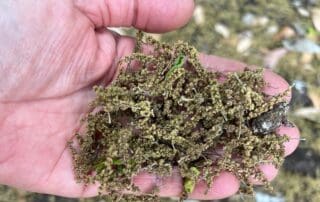
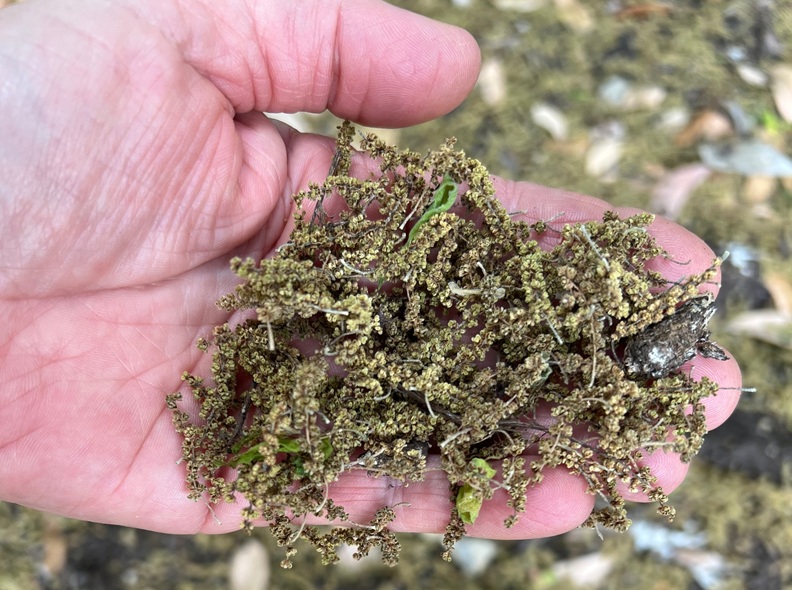
Every spring in Central Texas, oak trees put on their dusty yellow show—and most folks see oak pollen as nothing but a nuisance. Cars turn chartreuse, allergies flare, and patio furniture looks like it’s been rolled in cornmeal. But in a garden, oak pollen is far from useless. In fact, it plays several quiet but meaningful roles in a healthy landscape. A Natural Nutrient Booster Oak pollen is essentially plant protein and micronutrients in powder form. When it settles onto soil, mulch, or lawn, it begins to break down quickly [...]

By |2026-04-01T15:58:45-05:00April 1st, 2026|Plants, Trees|

Planning a Landscape in Central Texas

Planning a landscape prior to planting is key if you want your plants to be successful. There are several key pieces of information that you will need to bring to the experts at Backbone in order to receive a recommendation that will thrive in your landscape. Let's go over the information to consider before choosing a tree, shrub or perennial plant for you landscape. What type of soil are you planting in? Central Texas has a variety of soil types, and each one has its own specific properties. Does your [...]

By |2026-07-12T10:13:42-05:00March 15th, 2026|Plants, Trees, Native Plants, Ornamental Trees|

Tree Installation Fees 2026

Tree Installation Fees These are our basic installation fees. Pricing may vary depending on tree location and soil conditions. Trees over 100 gallon size and large palm trees will require a separate quote. If soil is shallow or clay based, additional soil may need to be brought in at an additional fee. All tree installations will require a mandatory delivery fee based on mileage. This charge is per trip, for as many trees that will fit on our trailer.    Install Fee:     50% of the retail price of [...]

By |2025-12-29T11:36:44-06:00December 29th, 2025|Trees|

Fig Leaf Rust

Fig Leaf Rust is a common fungal disease affecting Fig trees in the South. When fig leaves start looking sad in late summer we get a lot of questions about what can be done. Most fig varieties are susceptible to a fungal disease called Fig Rust, and it is not uncommon to see symptoms of this fungus on stressed trees. What are the symptoms of Fig Leaf Rust?     Fig Rust symptoms begin as angular yellow-green flecks on the leaf. The spots become more yellow and eventually turn a [...]

By |2025-12-29T12:40:27-06:00October 12th, 2025|Disease, Fruit & Nuts, Plants, Trees|

Webs on Ends of Tree Branches-Friend or Foe?

Webs Forming at Tips of  Tree Branches     Has anyone seen tips of tree branches that are covered in spider webs? We have! Ground spiders will often form disorganized webs at the tips of tree branches and raise their brood of thousands of tiny spiders there. Fortunately most of these webs are made by these harmless and beneficial spiders, and not by pests at all.  This web was made by a spider on a leaf of a young Live Oak.           We have seen examples [...]

By |2025-10-12T12:55:47-05:00October 12th, 2025|Insects, Plants, Trees|

Pecan Varieties for Central Texas

PECANS: Mix early and late pollinators for best nut set. All varieties do better with a pollinator. Mature height and canopy width of 30 x 30 ft. Remember, Pecan trees do best in deep soil. If planted in the home lawn always check labels on insecticides, fungicides and herbicides before applying them to the lawn. If the label says "do not apply under the canopy of fruit or nut trees" use another option   Choctaw (Cho)– Late pollinating variety with very large nuts and soft-shell. Early bearing variety with good [...]

By |2025-09-23T13:12:48-05:00September 23rd, 2025|Fruit & Nuts, Plants, Trees|

Hail Damage to Plants Recovery Guide

First, I'd like to say how sorry I am if your garden and landscape was damage by hail. While it is a fairly common occurrence in Central Texas, that doesn't make it any easier to take when one day you have a beautiful garden/yard and the next it is shredded.  Assess the damage The first thing that you should do is to assess the damage. Since hail storms often involve high winds, inspect trees for any damaged or broken limbs and locate any plants or trees whose stems were broken [...]

Go to Top