Thrips in Central Texas Gardens: Easy Identification & Control Guide
If your flowers look streaked, your buds won’t open, or your vegetables have silvery scars, thrips may be the culprit. These tiny pests love our hot, dry Texas weather and can damage both flowers and food crops quickly.
🔍 What Are Thrips?

Thrips are tiny, slender insects that feed by piercing plant tissue and sucking out juices. They’re hard to see—but their damage is easy to spot.
Tip: You’ll almost always notice damage before you ever see the insect.
👉 Learn more from University of Maryland Extension
⚠️ Signs of Thrips Damage
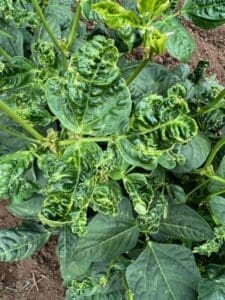
Thrips go after soft, tender growth like flowers, buds, and new leaves.
- Silvery or streaked leaves and petals
- Distorted or deformed blooms
- Buds that won’t open (“bud blast”)
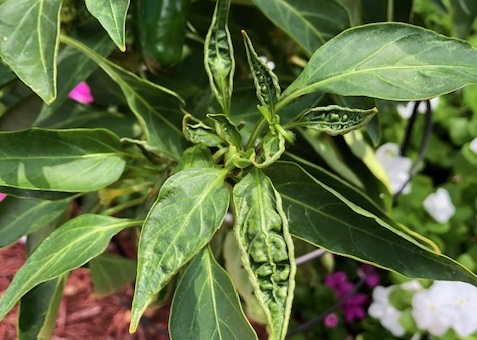
- Crinkled or stunted new growth
- Tiny black specks (insect waste)
Watch closely: Damage often shows up first on new growth and flowers.
🌱 Plants Thrips Love
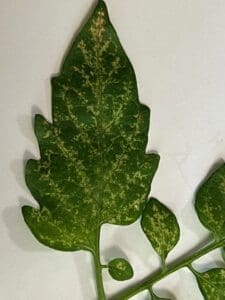
Vegetables at Risk
- Tomatoes
- Peppers
- Onions
- Beans
- Watermelons
Thrips can also spread plant diseases like tomato spotted wilt, so early control matters.
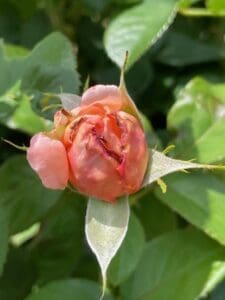
Ornamental Plants
- Roses (very common target!)
- Daylilies
- Chrysanthemums
- Hibiscus
- Tropical houseplants
On roses: Look for streaked petals and buds that fail to open properly.
🔥 Why Thrips Are So Bad in Central Texas
Thrips thrive in:
- Hot temperatures
- Dry conditions
- Stressed plants
They hide inside buds and leaf folds, which makes them tricky to control once established.
🌿 How to Control Thrips (Organic + IPM)
The best strategy is Integrated Pest Management (IPM)—a combination of simple, effective steps.
1️⃣ Keep Plants Healthy
- Water consistently (avoid drought stress)
- Don’t over-fertilize
- Remove weeds nearby
- Allow good airflow between plants
2️⃣ Knock Them Off
- Spray plants with a strong stream of water
- Remove heavily damaged buds and blooms. Bag them in place and do not carry across yard/garden.
3️⃣ Let Beneficial Insects Help
- Minute pirate bugs (natural thrips predators)
- Lacewings
Plant diversity helps attract these helpful insects.

4️⃣ Use Organic Treatments
- Insecticidal soap
- Neem oil (Do not use in temperatures above 85°F)
- Spinosad (very effective for thrips) Since Spinosad can harm bees when it is wet, spray at night after bees have gone to bed.
Important: Spray early and thoroughly—thrips hide deep in buds.
📚 Trusted University Resources
💡 Quick Pro Tips
- Check plants weekly in spring and summer
- Start treatment early
- Expect some cosmetic damage—especially on roses
🌼 Final Thoughts
Thrips are part of gardening in Central Texas, but they don’t have to ruin your plants. Stay consistent, act early, and focus on plant health—you’ll keep your flowers blooming and your vegetables thriving.