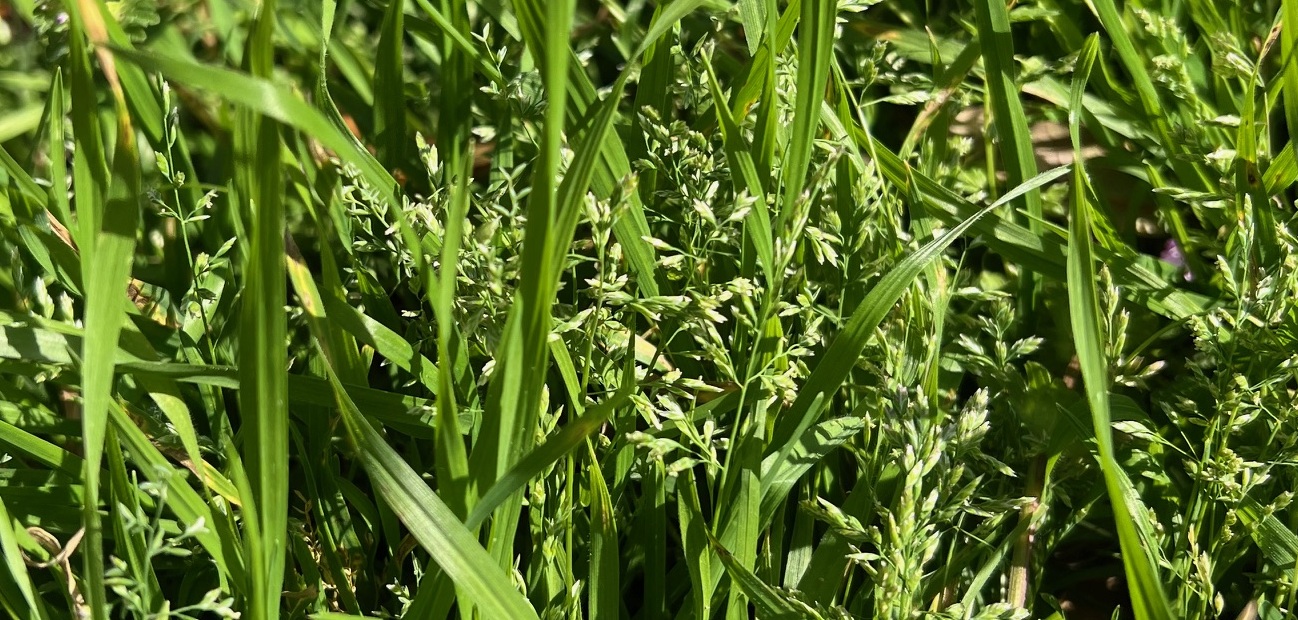
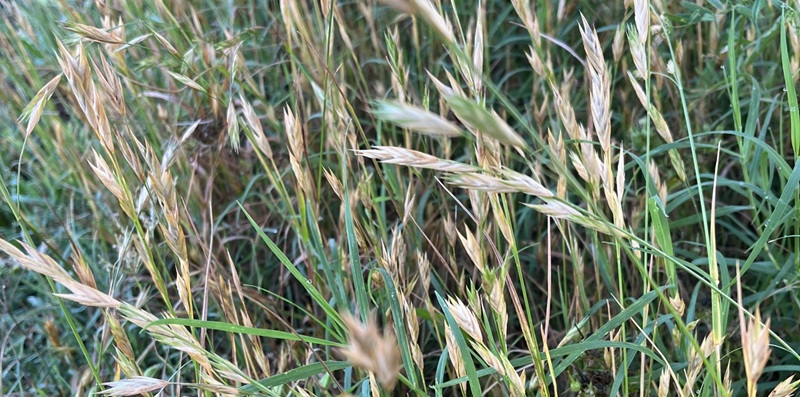
If you’ve noticed patches of light green, fast-growing grass popping up in your lawn during the cooler months, you’re likely dealing with rescuegrass. This common Central Texas weed can be frustrating, but understanding its life cycle is the key to getting ahead of it.
What Is Rescuegrass?
Rescuegrass is an annual cool-season grass, which means it germinates in the fall, grows through winter and early spring, and then dies out naturally once the summer heat arrives. While that might sound like good news, the problem is that it produces plenty of seeds before it dies—setting you up for an even bigger issue next year.
Why It’s Hard to Kill After It Appears
Here’s the tough part:
For homeowners, there are no selective post-emergent herbicides that will kill grassy weeds like rescuegrass without also damaging your lawn. That means once you see it growing, your options are limited to:
- Hand-pulling (effective, but time-consuming)
- Letting summer heat take care of it (while planning ahead)
The Best Strategy: Prevention
The most effective way to control rescuegrass is to stop it before it starts.
Apply a pre-emergent herbicide labeled for rescuegrass in September, ideally around Labor Day. This timing is critical because it targets the seeds before they germinate.
Tips for Success:
- Water the pre-emergent into the soil after application
- Apply evenly for consistent coverage
- Reapply as directed on the product label if needed
Timing Is Everything in Central Texas
Our mild falls and winters create perfect conditions for rescuegrass to thrive. Missing that early fall pre-emergent window means you’ll likely be dealing with it all winter long.
Final Thoughts
Rescuegrass may disappear in the summer, but don’t let that fool you into ignoring it. A proactive approach each fall—centered around a well-timed pre-emergent application—can make all the difference in keeping your lawn clean and healthy year-round.
Stay ahead of the cycle, and your future lawn will thank you.