How to Grow Antelope Horn Milkweed from seed (Asclepias asperula)
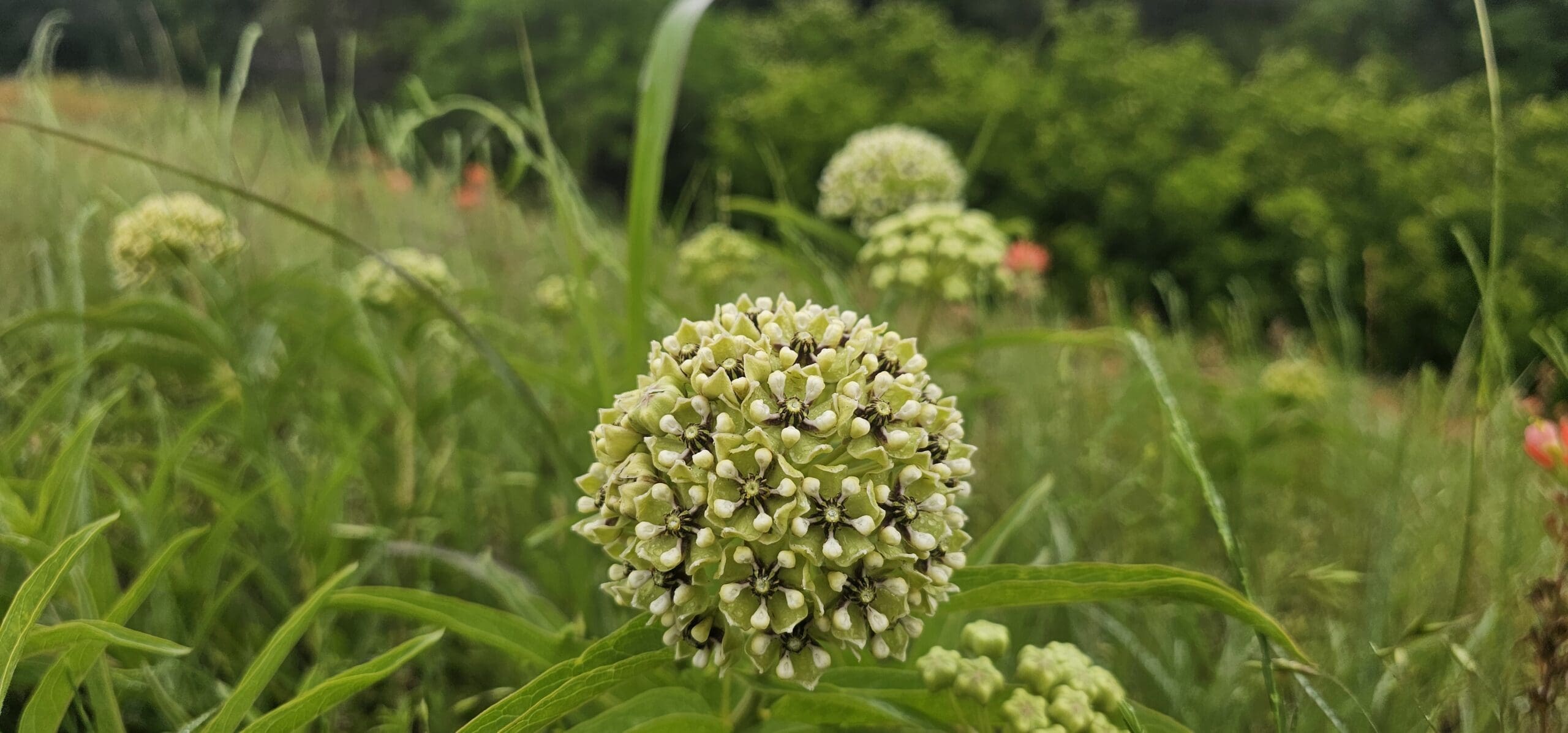
Antelope horn milkweed (Asclepias asperula) is a tough, drought-adapted native that supports monarch butterflies and other pollinators. Because Central Texas soils and climate can be challenging, proper seed preparation and early care are essential. Follow these steps to improve germination and establish healthy plants.
Why Grow Antelope Horn Milkweed?
First, this native species thrives in rocky, well-drained soils common across the Hill Country. Additionally, it serves as a host plant for monarch caterpillars and provides nectar for beneficial insects. For more on monarch conservation, visit:
https://www.monarchjointventure.org/
Step 1: Source Quality Seeds
Start with fresh, regionally adapted seed whenever possible. Native seed suppliers often provide better germination rates because their stock is suited to local conditions. You can learn more about native seed sourcing here:
https://www.wildflower.org/
Step 2: Cold Stratify the Seeds
Unlike many garden plants, Asclepias asperula requires cold stratification to break dormancy.
- First, place seeds in a damp paper towel.
- Then, seal them in a plastic bag.
- Finally, refrigerate for 30 days at about 35–40°F.
This process mimics winter conditions and significantly improves germination rates.
Step 3: Sow at the Right Time
In Central Texas, timing matters.
- Sow outdoors in late fall for natural stratification, or
- Start indoors 4–6 weeks before the last frost (typically late February to early March).
Plant seeds about 1/8 inch deep in a well-draining seed mix. Keep the soil lightly moist but never soggy.
Step 4: Provide Warmth and Light
After stratification, seeds germinate best in warm conditions.
- Maintain temperatures around 70–80°F.
- Provide bright light or full sun.
Germination usually occurs within 10–20 days. However, some seeds may take longer, so stay patient.
Step 5: Transplant Carefully
Milkweed develops a deep taproot early. Therefore, transplant seedlings when they are small to avoid root disturbance.
- Use deep containers if starting indoors.
- Harden off seedlings before moving them outside.
Step 6: Choose the Right Location
Antelope horn milkweed prefers:
- Full sun (at least 6–8 hours daily)
- Well-drained, rocky, or sandy soil
- Minimal irrigation once established
Avoid heavy clay soils unless amended for drainage.
Step 7: Water and Maintenance
Initially, water regularly until plants establish. After that, reduce watering because this species is drought-tolerant.
Do not over-fertilize. In fact, too much fertility can reduce flowering and weaken plants.
Common Challenges
Although hardy, gardeners may encounter:
- Low germination: Usually due to skipping stratification
- Root rot: Caused by poor drainage
- Transplant shock: Minimized by early transplanting
For native plant care tips, see:
https://www.npsot.org/
Final Thoughts
With proper preparation and patience, Asclepias asperula becomes a resilient and rewarding addition to Central Texas landscapes. Not only does it thrive in harsh conditions, but it also plays a critical role in supporting pollinators.
By following these steps, you can successfully grow this iconic native plant and contribute to a healthier ecosystem.