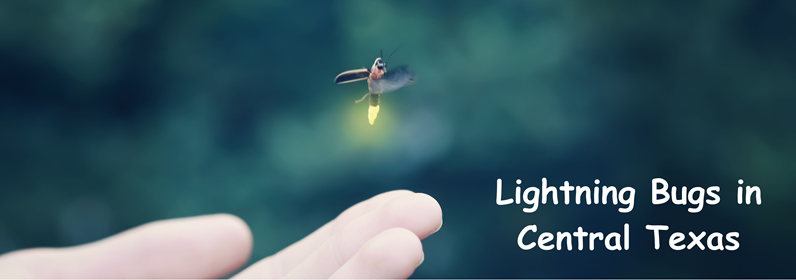
Lightning Bugs in Central Texas: Why Fireflies Belong in Your Garden
Few sights capture a warm Central Texas evening like the soft glow of lightning bugs. Beyond their charm, these beneficial insects—also called fireflies—play an important role in a healthy landscape. If you want a garden that’s both beautiful and ecologically balanced, it’s worth making space for them.
Why Lightning Bugs Matter
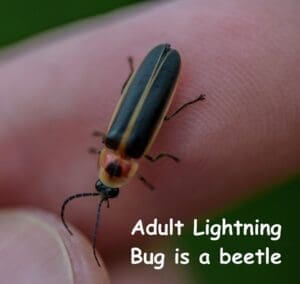
Lightning bugs are more than backyard magic. Their larvae are active predators that live in the soil and leaf litter, where they feed on a variety of soft-bodied pests. By supporting lightning bugs, you’re encouraging natural pest control—reducing the need for chemical treatments and helping your garden thrive organically.
Adult lightning bugs also serve as indicators of environmental health. Their presence signals low pesticide use, good soil moisture, and a balanced ecosystem.
Pests Lightning Bug Larvae Help Control
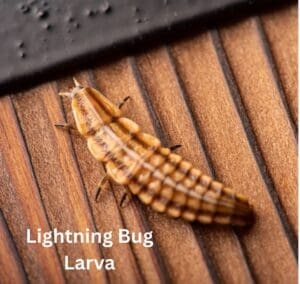 Firefly larvae are sometimes called “glowworms” because their bodies have a bio-luminescence that warns off predators. They hunt at night. They feed on:
Slugs
Snails
Cutworms
Grubs (including some beetle larvae)
Caterpillars (soft-bodied species)
Small soil-dwelling insects
These pests can damage roots, leaves, and seedlings—so having a natural predator working for you is a big advantage.
How to Attract Lightning Bugs in Central Texas
Creating a firefly-friendly landscape doesn’t require major changes—just a shift toward more natural gardening practices:
1. Reduce or eliminate pesticides
Chemical insecticides harm beneficial insects along with pests. Opt for targeted, organic controls only when necessary.
2. Leave some leaf litter
Firefly larvae live and hunt in moist, sheltered areas. A thin layer of leaves or mulch provides the habitat they need.
3. Water wisely
Central Texas summers are hot and dry, but lightning bugs need moisture. Maintain consistent soil hydration without overwatering.
4. Add native plants and grasses
Native plantings support a diverse ecosystem and provide cover for both larvae and adults.
5. Limit outdoor lighting
Excessive night lighting disrupts firefly communication and mating. Use motion lights or warm, low-intensity bulbs.
6. Provide a natural edge
Un-mowed areas, borders, and hedgerows create ideal breeding grounds.
A Brighter, Healthier Garden
Encouraging lightning bugs is a simple, effective way to build a resilient Central Texas landscape. By supporting these natural predators, you’ll reduce pest pressure, improve soil health, and enjoy one of nature’s most enchanting displays.
Turn down the lights, step outside, and let your garden glow—naturally.