

Using Horticultural Oils as Effective Alternatives to Synthetic Pesticides
Gardeners today can choose from a wide range of oil-based products that serve as effective alternatives to synthetic insecticides and fungicides. These products include oils refined from petroleum as well as oils extracted from plants and animals. In Central Texas landscapes, horticultural oils offer reliable pest and disease control with minimal environmental impact.
Petroleum-Based Horticultural Oils
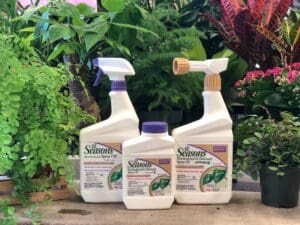
Petroleum oils, including mineral oils, consist of highly refined paraffinic oils commonly sold as horticultural spray oil, summer oil, or white mineral oil. These modern products differ greatly from older formulations. In the past, gardeners used heavier, less refined “dormant oils,” which could only be applied when plants were fully dormant.
Today’s refined oils allow for much greater flexibility. For late-winter insect and disease control, I recommend Bonide All Seasons Spray Oil, which works well on many trees and shrubs commonly grown in Central Texas.
Plant-Based Oils and Neem Oil Benefits
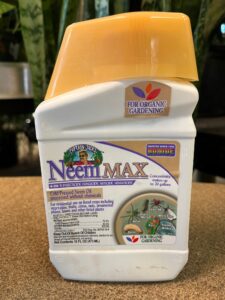
Plant-derived oils also play an important role in organic pest management. Neem oil, extracted from the neem tree (Azadirachta indica), ranks among the most widely used organic pesticides. Many neem oil products also contain azadirachtin, a naturally occurring compound that disrupts insect growth and feeding.
Neem oil acts as both an insect anti-feeding agent and an insect growth regulator. When neem oil contains sulfur compounds, it also provides added fungicidal activity, giving it an advantage over petroleum-based oils for certain plant diseases.
How Horticultural Oils Work
All oil-based pesticides share the same mode of action. I consistently prefer horticultural oils over chemical pesticides because oils control pests through physical means rather than chemical toxicity.
Oils kill insects by:
-
Suffocating them
-
Disrupting feeding on treated surfaces
When used against fungal pathogens, oils smother fungal growth and reduce spore germination on leaves and stems. When applied according to label directions, horticultural oils effectively control a wide range of insects and plant diseases.
Proper Application Timing and Temperature
To achieve the best results and avoid plant damage, apply horticultural oils under the right conditions:
-
Spray when temperatures range between 45°F and 85°F
-
During summer, apply oils early in the morning or late in the evening
-
Keep humidity below 50% to promote quick drying
-
Avoid spraying heat-stressed or drought-stressed plants
Thorough coverage is critical. Spray the undersides of leaves, branch crotches, and all cracks and crevices where insects hide. Always consult the product label to identify plants that may be sensitive to oil sprays.
Dormant and Winter Oil Applications
During winter dormancy, gardeners can safely apply oils at higher concentrations. Always spray before buds begin to swell in early spring.
-
A January–February dormant spray on fruit trees helps control overwintering pests
-
A February application on Italian Cypress helps suppress spider mites, a common problem on this species in Central Texas
(For more details, see my article on controlling spider mites on Italian Cypress.)
Environmental Benefits of Horticultural Oils
Horticultural oils offer several advantages for sustainable gardening:
-
Low toxicity to humans and pets
-
Minimal impact on beneficial insects unless directly sprayed
-
Short residual activity
-
No documented insect or mite resistance
To ensure effectiveness, keep the spray tank agitated so the oil remains evenly mixed with water throughout the application.
Insects and Diseases Controlled by Horticultural Oils
When used correctly, horticultural oils control many common landscape pests and diseases, including:
-
Scale insects (eggs, crawlers, and adults)
-
Citrus scale
-
Spider mites
-
Aphids (adults and eggs)
-
Powdery mildew
-
Bud moth
-
Mealybugs
-
Lace bugs
-
Whiteflies
-
Thrips
-
Leaf rollers
-
Beetle larvae
-
Pear psylla
-
Alternaria leaf spot
-
Black spot on roses
-
Rust
-
Botrytis


