

Do you need a ground cover that will thrive in the shade?
Choosing a ground cover for the shade requires additional information. It is important to choose a ground cover that will thrive in the conditions that it will be living in. Remember to consider soil type, soil drainage and irrigation capabilities for the best long term outcome.

Asian Jasmine Trachelospermum asiaticum
This evergreen vine, native to Japan and Korea, grows 6″-18″ tall and spreads about 3′ wide. It will grow in sun or shade and is drought tolerant once established. It is not deer resistant. Mow once a year in early spring to maintain its attractive appearance. Variegated varieties ‘Snow in Summer’ and ‘Summer Sunset’ give a bit of color to the landscape. Zone 7.
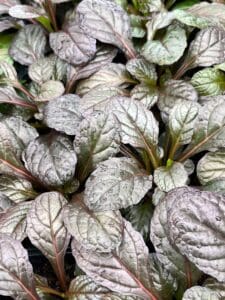 Ajuga Ajuga reptans
There are many different varieties of Ajuga to choose from, all of which give us blue flower spikes in the spring, spread by stolons and are great ground covers for the shade. The classic Bronze Ajuga grows about 4″-6″ tall by 8″-12″ wide. ‘Chocolate Chip’ Ajuga has a narrow leaf with nice blue flowers in the spring and it tends to hug the ground a bit more. ‘Black Scallop’ has a larger, darker leaf and ‘Catlin’s Giant’ has an even larger green leaf. Grow in dappled shade in improved soil. Medium water requirement. Zone 3.
BONUS: They are deer resistant.
Mondo Grass Ophiopogon japonicus
This clumping evergreen ground cover grows to about 12″ tall and wide, spreading by stolons. Mondo grass does well in dappled shade in moist, well-drained soil. Zone 4
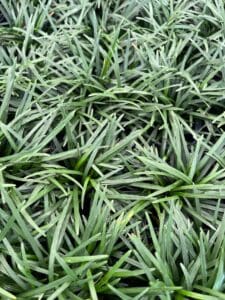
Dwarf Mondo Grass Ophiopogon japonicus ‘Nanus’
Dwarf Mondo grows in a tidy clump which grows about 4′-6′ tall and wide. It is useful as an evergreen ground cover for shade to dappled shade. It is commonly used in Japanese Gardens as a dark green accent. Zone 4

Leadwort Plumbago Ceratostigma plumbaginoides
Although this plant is in the Plumbago family, this is not actually the Plumbago that you normally think of. This low-growing herbaceous ground cover does well in dappled shade with perhaps a small amount of sun in Central Texas. It prefers improved, well-drained soil. Leadwort Plumbago grows 6″-12″ tall and spreads by rhizomes. It may spread rapidly under ideal conditions. Fall color is red to purple. Zone 5.
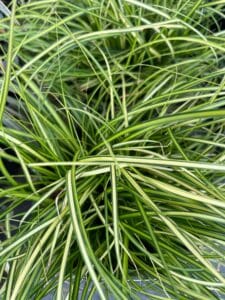
Sedge Carex species
There are several attractive Sedge varieties available that do quite well in sun or dappled shade gardens. Sedges have a clumplike growth and may be planted in masses as a ground cover. No pruning necessary, but may be mowed in late winter for a fresh look in the spring. Zone 5-8
Evercolor Everillo Feather Falls
Berkley Sedge Everest
Webberville Sedge Evergold
Frogfruit Phyla nodiflora
This native ground cover spreads rapidly, so give it room! Frogfruit will tolerate full sun to dappled shade. It grows to about 6″ – 8″ tall and spreads at least 2′-3′ per plant or more. It tolerates poor drainage and some foot traffic. It is beneficial as a larval host plant to butterflies and has a very unusual white bloom. Mow to 3″ in spring before new growth appears. Zone 7. Read more about this ground cover for the shade HERE.
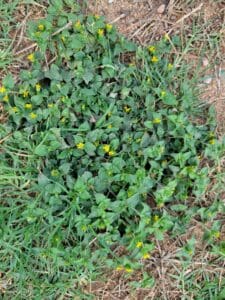
Horseherb Calyptocarpus vialis
Horseherb is found growing native on many sites in Central Texas. It tolerates full sun to full shade and is an herbaceous perennial that re-seeds readily. If grown as a lawn substitute it can go dormant in a dry summer and will green up immediately following rain or supplemental irrigation. Yellow flowers appear almost year round. May be mowed to maintain preferred height as it will grow to 8″-10″ without mowing. Horseherb is semi-evergreen, depending on the winter. Zone 7.
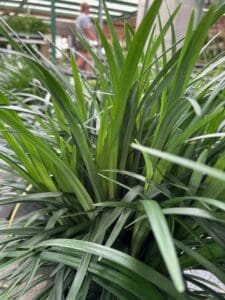
Liriope Liriope muscari
This common member of the lily family is grown as a ground cover or border plant. Many varieties exist which may grow between 1′ tall and 3′ tall. Best grown in part shade to shade in Central Texas, it will tolerate full sun if irrigated regularly. Not deer resistant in most areas. Blue flower spikes appear in the summer. Cut back to 2″ tall in late winter for a fresh look in the spring. Zone 5.
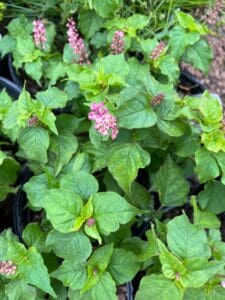
Pigeonberry Rivina humilis
This is one of my favorite ground covers for the shade in Central Texas. Native to our area, it can spread rapidly and tolerates moist or dry soil. Tiny red berries follow white flowers in the summer, attracting birds to the fruit. It may go dormant if not irrigated in the summer, but will return with rain or irrigation. May be pruned or “mowed high” for a natural look. Dies back to the ground in the winter. Zone 7.


Leave A Comment