Growing Potatoes in Central Texas
Growing potatoes in Central Texas can be a rewarding experience. The are relatively easy to grow and will produce tasty spuds that you can enjoy for several months.
The old-timers always said to get your potatoes in the ground by Washington’s Birthday. In Central Texas that is about 4 weeks before the last freeze.
Preparing the Seed Potatoes for Planting
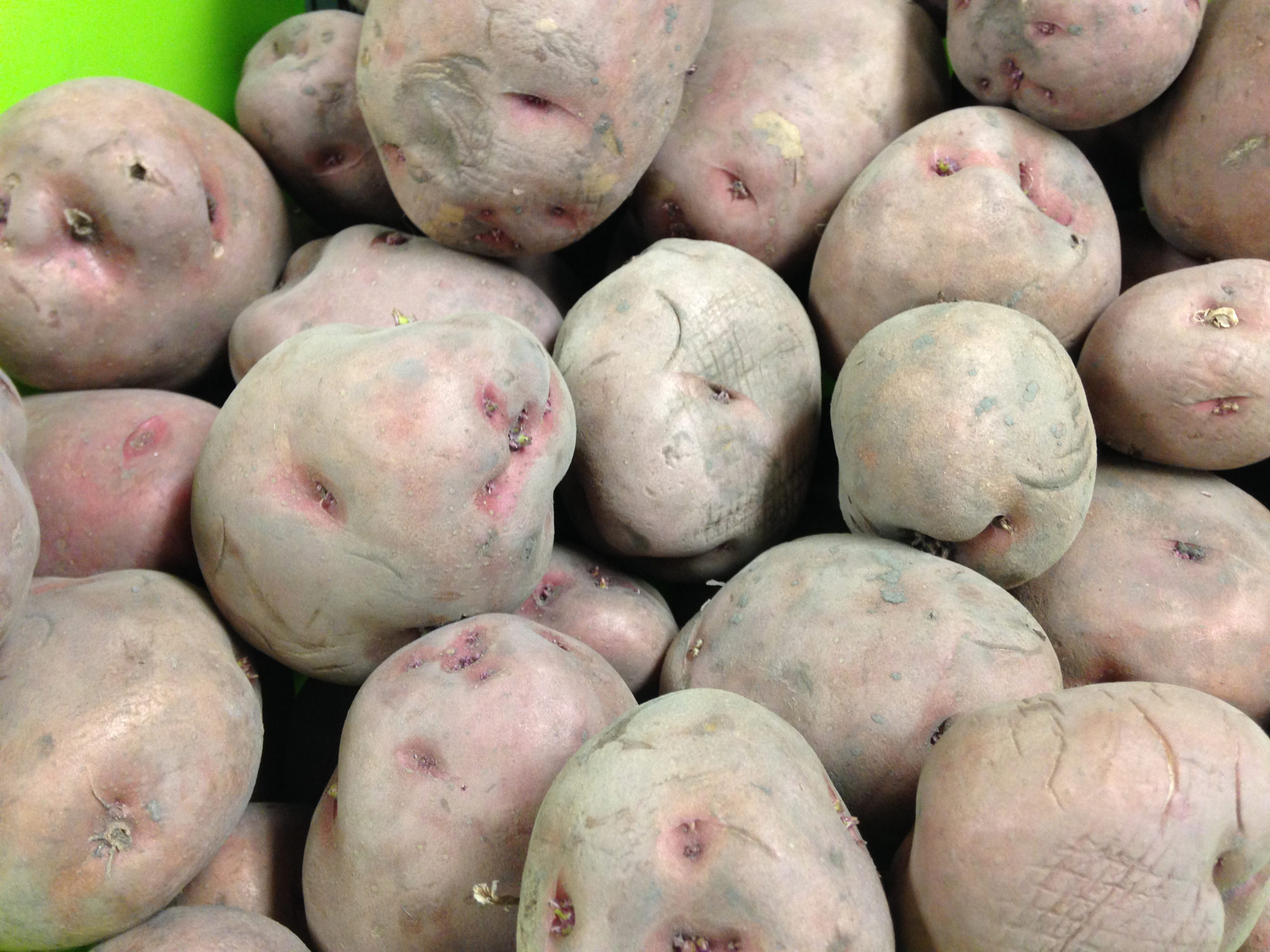
Plan ahead by getting your seed potatoes about 5-7 days before planting. You will want to cut them into pieces with each piece containing at least one “eye”. Place the pieces in a paper bag with some HiYield Dusting Sulfur. Shake the pieces around in the bag until they are coated with sulfur, then lay them out on some newspaper to “cure” at about 65 degrees for 2-3 days. The sulfur will help prevent disease after they are planted. At planting time, the seed pieces will be slightly shriveled, have a well-healed cut surface and a slightly enlarged eye.
Fertilization
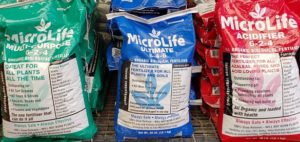
Potatoes need adequate fertilization early in the growth period. Side dressing and/or incorporating MicroLife 6-2-4 organic fertilizer or Fox Farm Marine Cuisine fertilizer at the time of planting will give the nutrients necessary for early growth. A second application should be made when the plants are 6”-8” tall.
Planting Instructions
When it is time to plant, the soil should be slightly moist. Plant on raised beds if your soil is heavy, or level ground if it is not. Rows should be about 30” apart. Smooth and level the planting area, then make planting furrows with your hoe about 3”-4” deep. Firm the pieces into the furrow about 12” apart, cover with soil and firm the soil over the seed pieces to ensure good soil to seed contact.
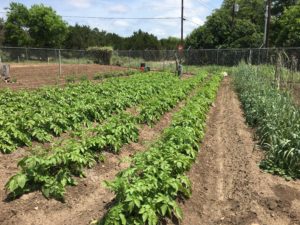
Within 3-4 weeks, the potato plants will emerge from the soil.
Do I need to “dirt” my potatoes?
Only “indeterminate” varieties really need to have dirt added to the stems for increased tuber production. Most seed potato varieties available in Central Texas are “determinate” varieties with a 70-90 day growing period. This shorter growing period is best for our area. Varieties such as ‘Russet’ and ‘German Butterball’ are indeterminate varieties that have a 110-135 day growing period. These are grown in areas that do not receive the summer heat that we do in Central Texas.
“Determinate” potato varieties such as Red LaSoda, Yukon Gold and White Kennebec produce tubers all at one level and do not require soil to be added or “dirted up”. However, adding 3″-4″ of compost, soil or mulch to the top of the soil after the plants have reached 6″ tall will prevent any surface tubers from being exposed to light. Light from the sun turns potatoes “green”. Green potatoes contain solanine which makes them bitter, and can be harmful if eaten in large quantities.
Watering
Adequate soil moisture is important for potato production. Dry soil will cause the potatoes to become knobby and misshapen. Watering to a depth of 6”-8”, and mulching to a depth of 2”-3” will help your potatoes grow vigorously and produce high yields.
Harvesting
Harvesting takes place when the tops begin to yellow and die, usually around the beginning of June in Central Texas. Cut the plants off at ground level and leave the potatoes in the ground to “cure” for 3-5 days. This will help the skin to set and toughen, increasing storage time.
Potatoes should be dug when the soil is moist. If the soil is too wet, the dirt will cling to the potato, if the soil is too dry, the clods could bruise it. To harvest, use a spading fork, digging in about 12” from the plant and lifting up, gently pulling the plant from the ground. There will be potatoes clinging to the plant and some remaining in the soil. Dig around a bit to find the stragglers. Most will be within 10”-12” of the main stem of the plant. Allow the potatoes to dry completely, then store in a cool, dry place with good air circulation.