My Lawn is ALIVE!

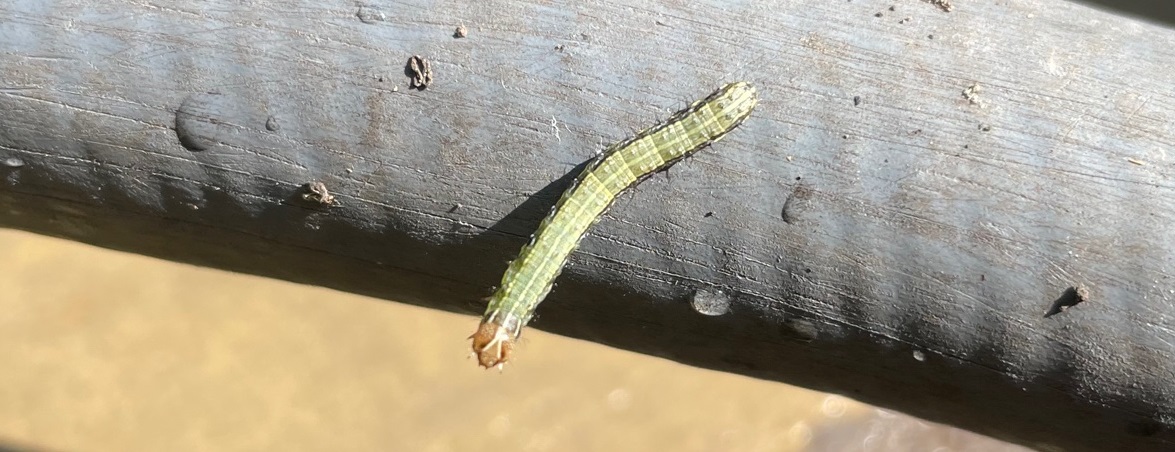
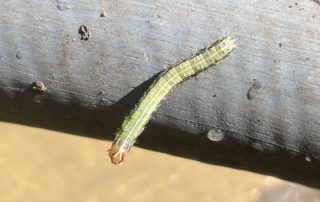
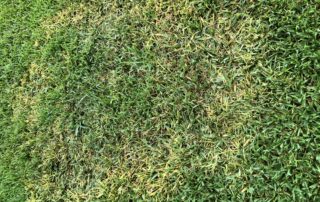
Soooooo many calls the past two weeks about “creepy crawlies” on lawn grasses! What is going on, and what can we do about it? Many lawns were visited a month or so ago by hoards of 1-inch-wide tan or mottled gray moths. The moths laid eggs and the Armyworms have hatched! The rains last month gave these pests the conditions they needed to reproduce and cause rapid damage to lawns. Typically, these Armyworm larvae feed and are most active at night and on overcast days. In daylight, they will hide [...]
By |2021-08-20T07:36:15-05:00October 18th, 2017|Insects, Lawn Care|

Brown Patch on Lawns

Brown Patch is a fungus that shows up in our lawns in the spring and fall, when temperatures begin to cool. Because it needs cool, moist conditions, we do not see brown patch fungus in the summer. If you have had brown patch in your lawn in the past, it is probable that you will see it again once the conditions are right for its development. St. Augustine is most often infected, but Bermuda and Zoysia will become infected under the right conditions. Over-watered and over-fertilized lawns are more susceptible [...]

By |2022-01-05T10:58:41-06:00October 11th, 2017|Disease, Lawn Care|

Fall Pre-Emergent

Remember the old adage “an ounce of prevention is worth a pound of cure”? That certainly applies to the use of pre-emergent herbicides. Who wouldn’t prefer spreading a product on our lawns and beds that STOPS the weeds BEFORE they come up? A real no-brainer for me! The correct product with the correct timing ensures success! Because weeds are classified as “warm-season or cool-season”, according to the temperature at which they germinate, we can address a particular weed we have by timing the application of pre-emergent appropriately. I’ve said it [...]

By |2023-09-06T12:17:52-05:00September 14th, 2017|Lawn Care|

Take All Root Rot (TARR)

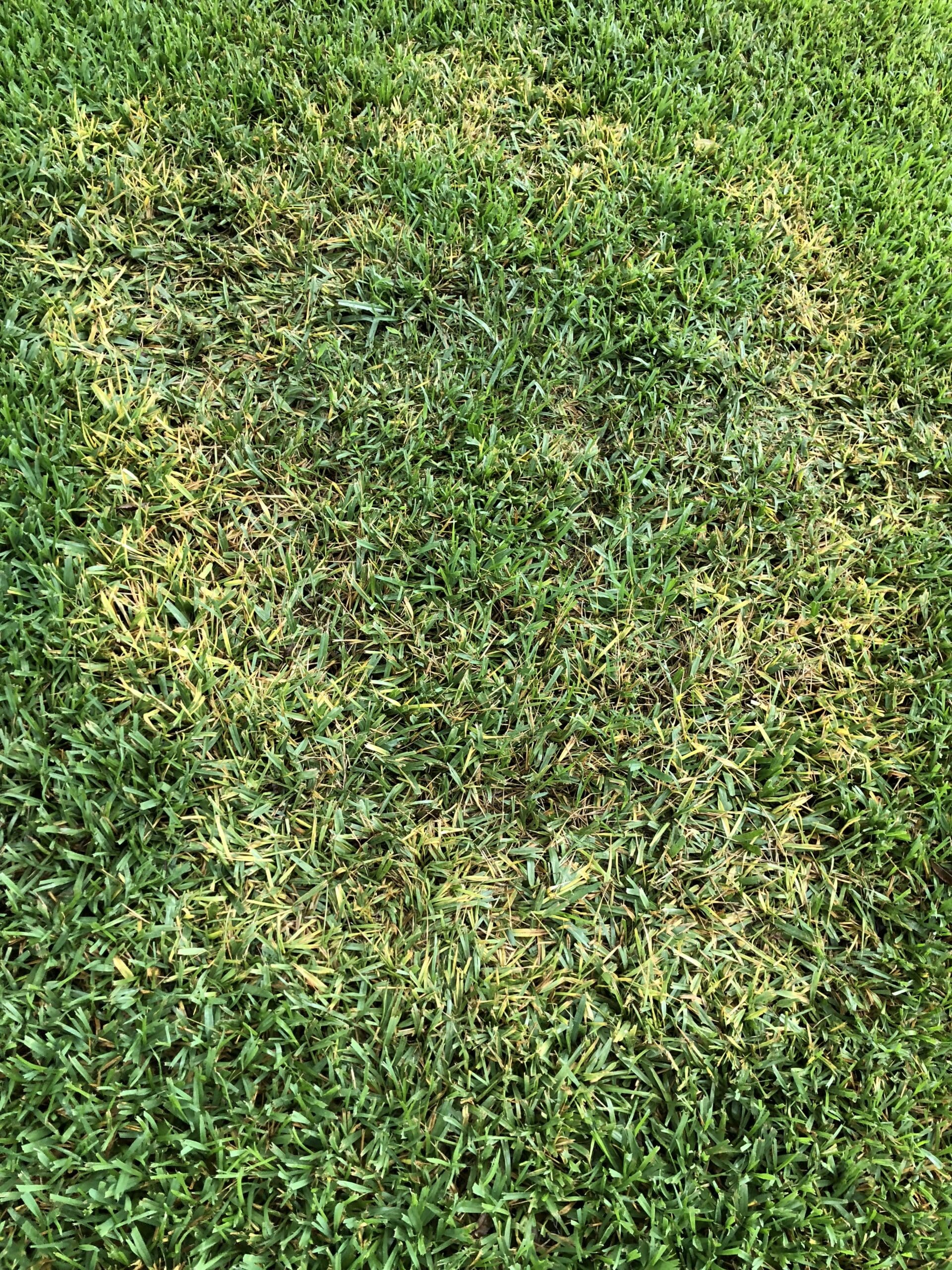
Most of the people I have talked to about their declining (dying) lawns this year have not heard about this rapidly spreading disease of lawns. Take-all root rot (TARR), or take-all patch, does just that. It is a fungus that kills ALL of the grass plant: roots, stolons (runners) and leaves. It is most common on St. Augustine, but has been observed on Bermuda and Zoysia as well. In fact, it was originally known as "Bermuda Decline". What are the symptoms of TARR? Symptoms of take-all patch usually appear as [...]

By |2025-07-23T14:56:34-05:00July 18th, 2017|Disease, Lawn Care|

Weed and Feed – Good or Bad?

Weed and Feed? Weed and Feed is most often the combination of a fertilizer with a selective post-emergent herbicide. I will not be addressing the use of a weed and feed product combining fertilizer and pre-emergent herbicide here, as this is not the harmful product that is usually applied to lawns in the spring. So, why are post-emergent Weed and Feed products not recommended for use on lawns in Central Texas? It’s simple, really. Timing Spring application of fertilizer should not take place at the same time as post-emergent application [...]

By |2025-02-22T10:12:38-06:00April 4th, 2017|Lawn Care|

Organic Fertilizer for Lawns

March-April is the time to wake up the SOIL! As we watch our lawns begin to green up and grow enough to mow them, they will benefit from an application of an organic fertilizer to aid in their carbohydrate production. The general "rule of thumb" is to apply fertilizer to lawns after you have mowed it 2-3 times. However, that applies to chemical forms of nitrogen, not organic forms. (Avoid  chemical forms of fertilizer with a very high nitrogen analysis. High nitrogen can predispose lawns to diseases such as Take [...]

By |2022-01-24T12:49:33-06:00April 2nd, 2017|Lawn Care|

Spring Application of Pre-Emergent Herbicide

Spring Application of Pre-emergent Herbicide Spring application of pre-emergent herbicide can relieve a lot of stress for both you and your lawn. Remember the old adage “an ounce of prevention is worth a pound of cure”? That seems to have been written about the use of pre-emergent herbicides. Who wouldn’t prefer spreading a product on our lawns and beds that STOPS the weed BEFORE it comes up? A real no-brainer for me! Identify the weed that you are wanting to control Because weeds are classified as warm-season or cool-season based [...]

By |2026-02-02T13:49:14-06:00April 2nd, 2017|Lawn Care|

GUIDELINES FOR LAWN WATERING IN CENTRAL TEXAS

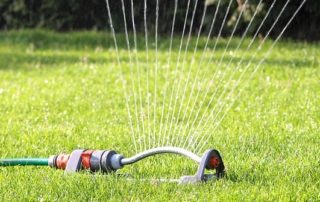
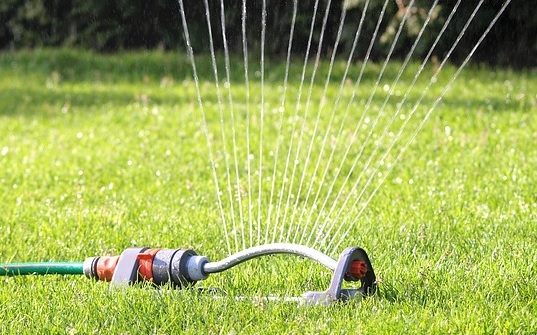
Lawn Watering in Central Texas Understanding the water needs of our lawns will ensure greater success with maintaining a healthy lawn. A lawn that is properly watered can compete aggressively with weeds and avoid stress that contributes to lawn diseases. LAWNS:  Creating a deep root system is probably the single-most important goal during hot weather.  Lawns should be watered to a depth of 6 inches during each irrigation.  To calculate the length of time to run irrigation, collect several empty tuna fish cans or cat food cans and set them [...]

By |2020-08-11T09:52:37-05:00April 2nd, 2017|Lawn Care|

Controlling Grubs in Texas Lawns

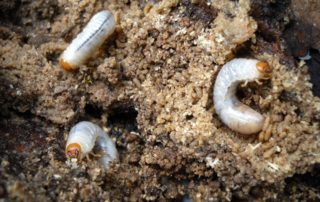
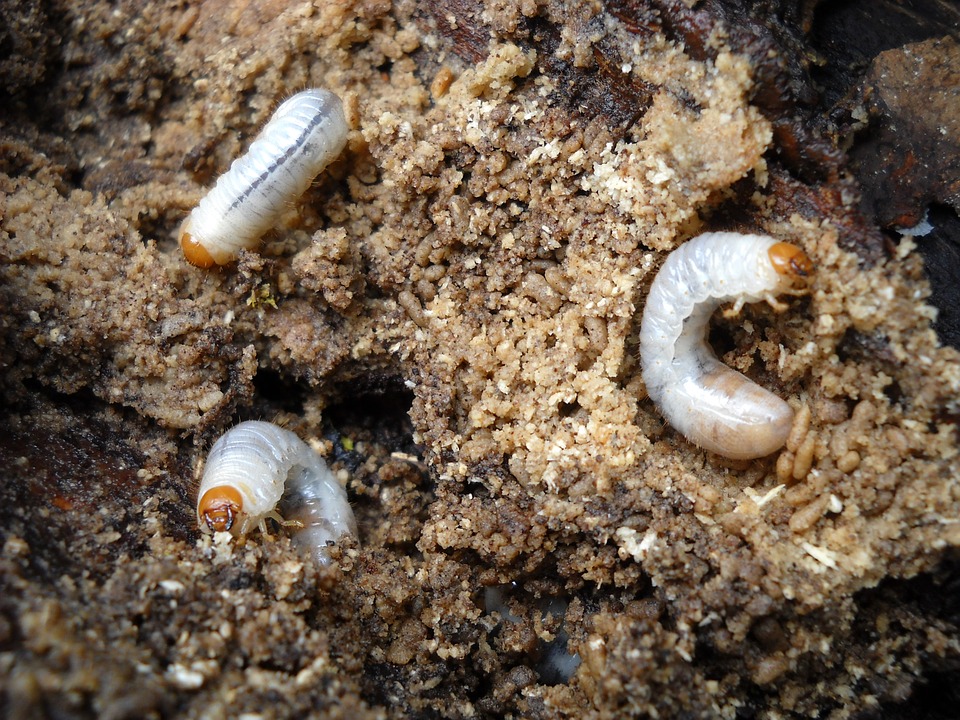
What Are Grubs? Grubs are a common nuisance in Texas lawns. There are actually 100 different types of scarab beetles in Texas that have a similar lifecycle and designated as white grubs, grub worms, June bugs, or May beetles. These bugs are harmless to pets and humans other than being a nuisance. The adult beetle does no direct damage to any plant, but its larval form can do significant damage to root systems of warm season turf grasses, vegetables, and ornamental plants. Plants damaged by grubs will have weak growth [...]

By |2025-05-11T09:29:50-05:00April 1st, 2017|Insects, Lawn Care|
Go to Top