TIPS FOR YOUR
GARDEN & LANDSCAPE

Dog Vomit Slime Mold

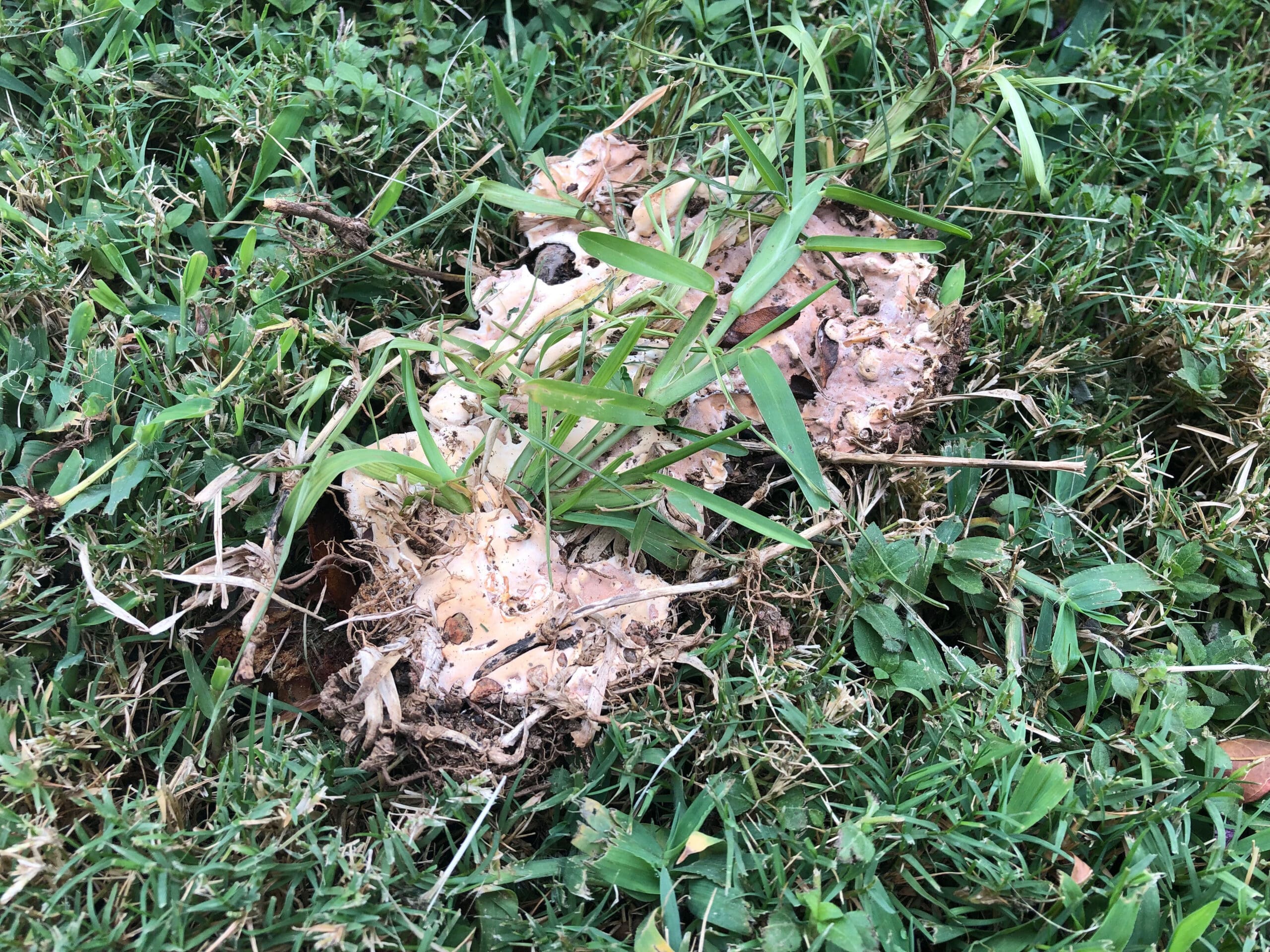
What a name for such a harmless creature!  I say creature because a slime mold is neither a plant nor an animal. It is more closely related to the amoeba and certain seaweeds than fungi. This disgusting looking slime mold is often found feeding on the fungus and bacteria that are involved in the decomposition of organic matter, usually on bark mulch or even dead tree roots near the surface of the soil. They are actually helping return nitrogen to the soil, so if you can stand to leave them [...]

By |2020-07-22T16:19:43-05:00September 2nd, 2019|Lawn Care|

Roots and How They Grow

It is difficult to know how to water plants if we do not understand how (and where) their roots grow. Do we water just at the base of the plant? How long do we water a plant, and how deep does the water need to go? These are questions that I hear almost every day at the nursery. Let us begin with tree roots.   In the first year, when establishing a newly planted tree, apply water to the area above the original root ball and about one foot beyond. [...]

By |2024-10-05T15:34:51-05:00August 18th, 2019|Plants, Trees|

July Gardening Checklist

Vegetables: Believe it or not, it is time to plant tomato plants once again!  Tomatoes may be successfully grown for a fall harvest in Central Texas if planted this month. You can purchase transplants or use your spring tomato plants again if they are not infested with insects or disease. Read how to grow Fall Tomatoes in our blog HERE. We suggest choosing either a “determinate” type tomato (see info sheet), or a variety that has 60-70 “days to harvest”. I have also grown some 80-90 “days to harvest” varieties [...]

By |2026-07-06T12:20:29-05:00July 9th, 2019|Monthly Gardening Checklist|

Moroccan Mound Euphorbia

This is the case of a cactus that is not actually a cactus, but is closely related. Technically, it is classified as a succulent, even though it does have spines. It is also related to the Christmas Poinsettia, but don’t tell it that! This low-growing succulent has a lengthy history of cultivation, and is one of the oldest documented medical plants of all the Euphorbia species. Mounding to 1’-2’ tall and spreading to 4’ wide, its pale blue-green upright, four-sided stems are adorned with brown spines along the margins. Small [...]

By |2023-02-28T08:37:19-06:00June 26th, 2019|Succulents and Cacti|

Growing Blackberries in Central Texas

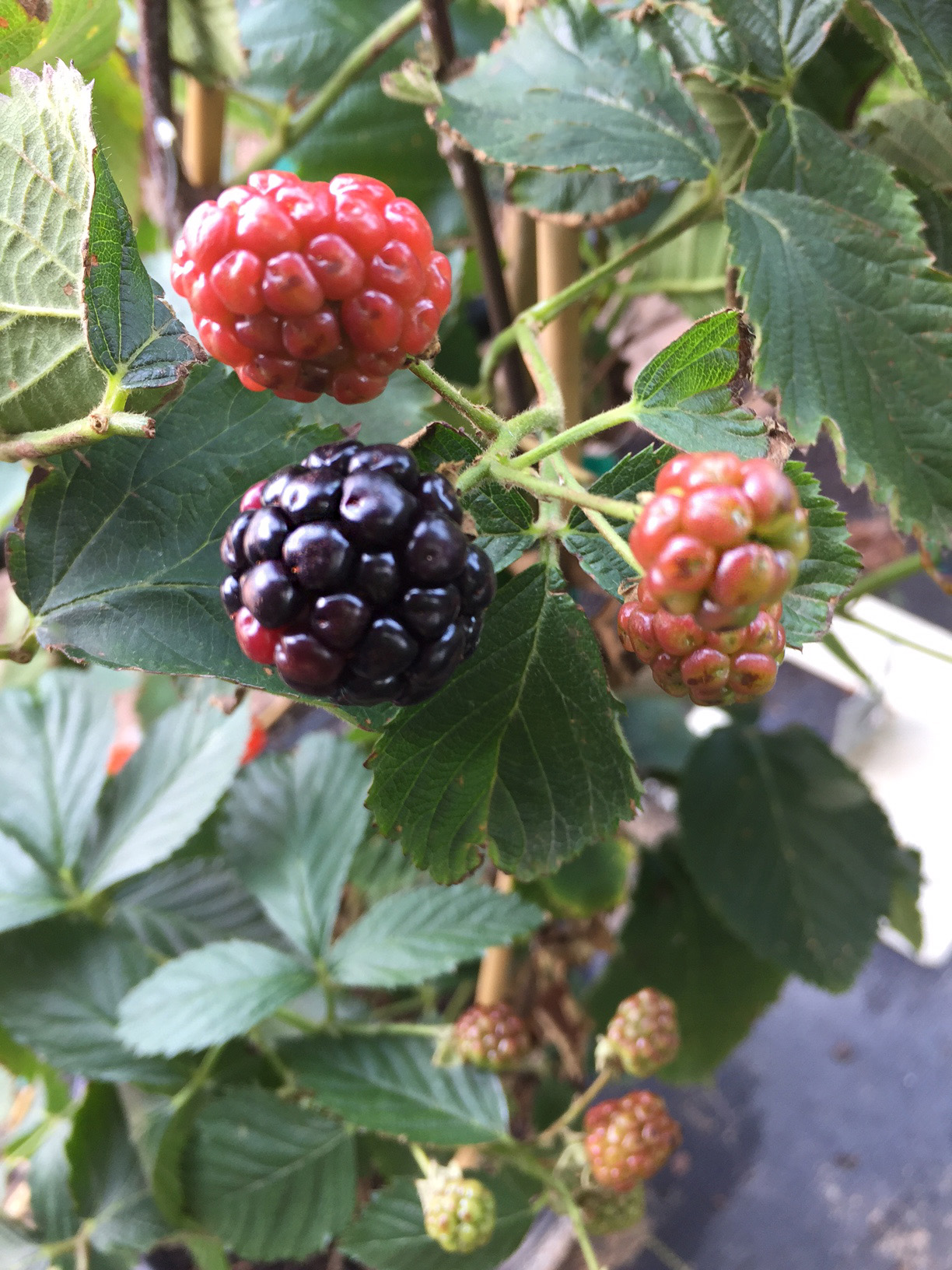
Growing Blackberries in Central Texas: Varieties, Care, and Culture Blackberries grow exceptionally well in Central Texas when you follow a few essential guidelines. Consistent production depends on proper irrigation, correct pruning, and effective weed control. With the right care, blackberries reward gardeners with years of reliable harvests. Understanding Blackberry Growth Habits Most blackberry plants are biennial, meaning they produce fruit on second-year canes, known as floricanes. However, newer introductions from the University of Arkansas—called Prime-Ark® blackberries—produce fruit on both first-year canes (primocanes) and second-year canes. As a result, these varieties [...]

By |2026-01-17T12:22:33-06:00June 19th, 2019|Fruit & Nuts|

Blackberry Pruning

How to Prune Blackberries in Central Texas (Without Killing Your Crop) One of the most common questions readers ask me is, “How do I prune my blackberries?” While it’s an excellent question, most gardeners ask it at the wrong time of year. As a result, pruning mistakes often lead to poor fruit production or stressed plants. To clear up the confusion, let’s take the mystery out of pruning blackberries. Once you understand how blackberry plants grow, pruning becomes simple, timely, and highly effective. First, Know How Blackberries Grow Before you [...]

By |2026-01-17T12:40:37-06:00June 19th, 2019|Fruit & Nuts|

Leafhopper

Every year about this time, customers start bringing in photos of this strange white, fluffy substance on the stems of their shrubs and perennials. I myself have it on the stems of my Rose of Sharon. What on earth can it be? Well, it is not a fungus, as some have suggested. It looks fuzzy, so could it be a mealy bug? Nope. It is an evasive little insect called a leafhopper. I say evasive because if you’ve ever seen one on a stem, as soon as you get close [...]

By |2019-06-12T15:41:57-05:00June 12th, 2019|Insects|

Leaf Footed Bugs on Tomatoes

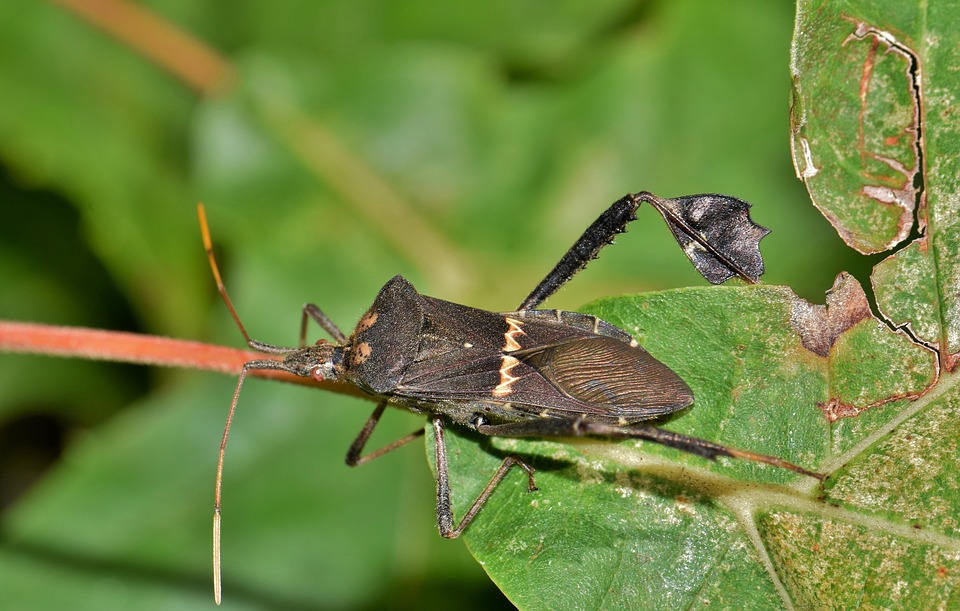
Leaf-footed bugs are related to stink bugs. They can be distinguished from other types of stink bugs by the leaf-like appendages on their hind legs.  Click HERE for more photos and information. If leaf-footed bugs invade your garden, learn what the eggs and nymphs (babies) look like. Oblong golden-brown eggs are laid in a string-like strand on the midribs of leaves or on the stems of the plant. Nymphs are orange or reddish brown and will develop the "leaf like" appendages on their hind legs as they mature. It is [...]

By |2023-02-28T08:37:35-06:00May 30th, 2019|Vegetable Gardening, Insects|

Lavender Demystified

As you may have guessed, Lavender is a plant that mystifies many people. Which one should you plant? What conditions do they require? We are fortunate to have a relatively non-hostile environment for growing Lavender in Central Texas. If you have well-drained soil and a sunny exposure, you should be able to grow Lavender with ease. Humidity, poor drainage and heavy soils are the arch enemies of Lavender. Lavender is drought resistant once established, and to many people’s delight, they are DEER RESISTANT TOO! There are four primary species of [...]

By |2019-05-30T08:48:43-05:00May 30th, 2019|Plants|

Milkweed Seed Stratification

Milkweed Stratification Procedures, Courtesy Native American Seed NOTE:  George Cates insists that sterile rubber (latex) gloves be worn at all times and that containers and implements be sterile.   Otherwise, mold can grow in the vermiculite and damage the seeds. Mix seeds with pre-chilled distilled water and let soak for 24 hours in the fridge.  After 24 hours, pour seeds into strainer and rinse with distilled water. Moisten vermiculite with distilled water, the exact quantity required varies with different media, moist but not dripping is best.  Mix rinsed seeds into [...]

By |2019-05-09T09:38:39-05:00May 8th, 2019|Plants|

Genista Caterpillar

  The Genista Caterpillar is the caterpillar commonly seen on the new growth of Texas Mountain Laurels. Note, it is usually ONLY the new growth that they will be found on. This saves us time and money in our control efforts.   Note: Genista caterpillars have been observed stripping older growth as well. Keep an eye on where they are feeding and treat accordingly.           Any time Texas Mountain Laurels have new growth emerging, as in the spring and fall, is a good time to protect [...]

By |2026-07-02T07:38:30-05:00April 24th, 2019|Insects|

Rose Rosette Disease

Rose Rosette Disease was first identified in wild roses in the 1940’s in California, the Rocky Mountains, and Manitoba, Canada. In 1990 the disease appeared in East Texas, and by the mid-1990’s infected plants were located in the Dallas-Fort Worth area. In 2015, the Fort Worth Botanic garden replaced all their roses due to infection by the Rose Rosette virus. Rose Rosette Disease is a lethal disease of roses, and has been determined to be caused by a virus. It has no known treatment or cure. The disease is spread [...]

By |2020-08-16T15:52:35-05:00April 3rd, 2019|Disease|
Go to Top