TIPS FOR YOUR
GARDEN & LANDSCAPE

African Violet Care

African violets do best in bright, indirect light.  A North window or a shaded East window is usually best.  The correct lighting can be the difference between success and failure with African violets. Fluorescent lights are also good, as long as the violets are not too far from them. If they are too close, you will see stunting of new foliage. If they are too far, the leaves will grow “up”. Use an adjustable lighting system so that you can control the distance from the plants. Putting the light on [...]

By |2020-07-22T16:18:14-05:00March 3rd, 2020|Houseplants|

Brick House Rose

Rosa ‘Meitraligh’, aka Brick House™ Rose, is the new “rose kid” on the block this year. BrickHouse™ sports dark red flowers on a Floribunda rose that only reaches 3’ to 3 ½’ tall. The smaller size will be a welcome plant to put in those beds that are only 3’-4’ wide. The Brick House™ has excellent disease resistance for its type and a slight fragrance. You can expect repeat blooms on this well-behaved shrub rose, and the dark red color contrasts nicely with both limestone and sandstone. This is one [...]

By |2020-07-22T16:18:38-05:00March 3rd, 2020|Plants|

Tomato Tips

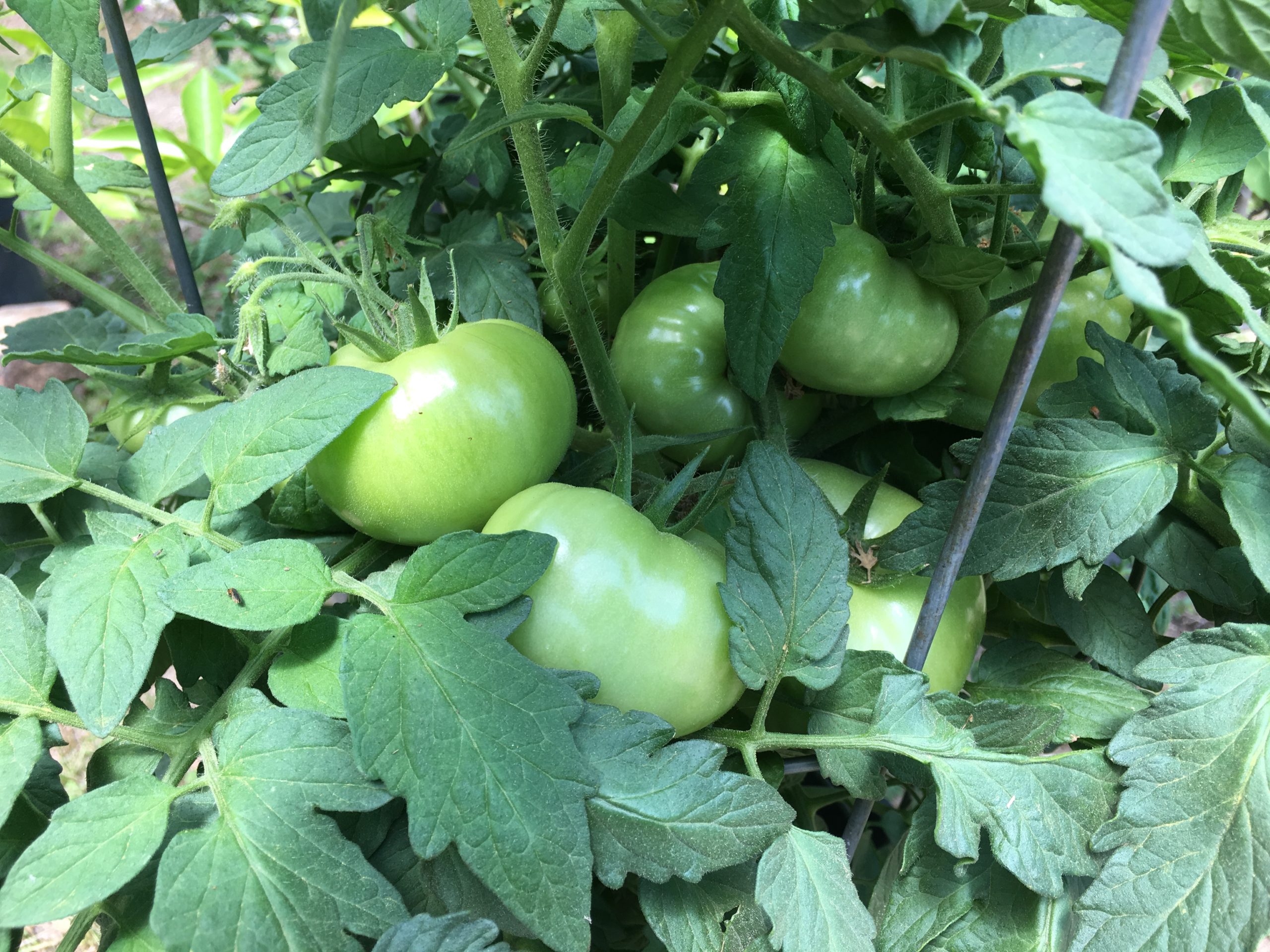
  Tomato Tips Timing: Plant as early as possible in Central Texas. Buy your transplants in February and transplant them to 1-gallon pots which you can move in and out according to the temperature. Tomatoes will not do well below 55 degrees but can be set out in the sun during the warmer days until mid-March, when they can be planted directly into the garden. Your plants will likely have flowers and fruit on them when you set them out! Container or In-ground: Containers should be a minimum of 15 [...]

By |2026-01-07T15:57:32-06:00February 25th, 2020|Insects, Disease, Vegetable Gardening|

Geraniums in Central Texas

Growing up, I remember the “traditional combo planters” that were available at the Local Garden Center. I am sure that you have seen them. A bold, beautiful Geranium in the center of a pot with variegated Vinca major trailing over the edge of the pot. Larger pots would sport a Dracaena “Spike” in the center as the “thriller”, with the geraniums around it as the “filler” and the Vinca major as the “spiller”. Yes, I did say “thriller”, “filler” and “spiller”! To this day, the Geranium combo pot brings back [...]

By |2020-02-23T14:48:13-06:00February 23rd, 2020|Plants|

Pruning Crape Myrtles

Most of you have heard the process of pruning Crape Myrtles back to “nubs” referred to as “Crape Murder”. But you may not know how this practice originated. I’d like to offer my "take" on the subject and some reasonable solutions to a practice that deforms and subjects these beautiful trees to unnecessary stress. Many years ago, we did not have the variety of Crape Myrtles available that breeders now offer. Until the first breeding programs began in the 1960’s, we had only Lagerstroemia indica and Lagerstroemia fauriei, both tall-growing [...]

By |2021-12-16T07:17:27-06:00February 2nd, 2020|Trees|

Beneficial Nematodes

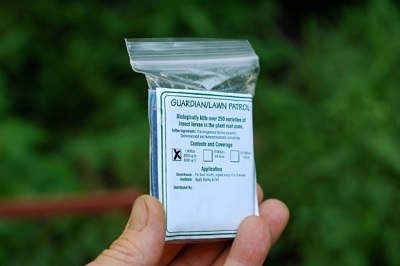
Beneficial Nematodes: Natural Pest Control for Lawns and Gardens Beneficial nematodes are microscopic, whitish-to-transparent, unsegmented worms. Thousands of nematode species exist, and each species has its own feeding preferences. Certain beneficial nematodes actively search for insect pests, including insect pupae and larvae, in consistently moist soil. They can target more than 250 species of insects, including: White grubs Termites Peach tree borers Fire ants Stink bugs Fleas Chinch bugs Field crickets Flea beetles How Do Beneficial Nematodes Control Insect Pests? Beneficial nematodes provide a natural way to control many lawn [...]

By |2026-09-21T12:48:43-05:00February 1st, 2020|Vegetable Gardening, Lawn Care, Fruit & Nuts|

Learn to Grow Onions in Central Texas

Learn to Grow Onions in Central Texas Growing onions in Central Texas is pretty easy, really. Onions grow during our cool season in Central Texas, and they will be harvested in late spring just in time to plant another crop like Okra or Southern Peas . Onions require relatively little care and have few pests that affect them. Be sure to purchase "transplants" of short-day onion varieties and not the round little balls of "onion sets" that are sold in the box stores. Those are long-day onion varieties for northern [...]

By |2025-12-28T14:59:50-06:00January 26th, 2020|Vegetable Gardening|

Pruning Practices for Oak Wilt Prevention

Those of you who have heard the adage “February through June DO NOT PRUNE” probably know that it is in reference to the spread of Oak Wilt in  relation to the timing of pruning of susceptible trees. With Oak Wilt appearing in so many locations in Central Texas, it is safer to complete pruning by February 1st, before the temperatures become milder and the Nitidulid Beetle begins to become active after the winter. This beetle is responsible for transmitting the Oak Wilt Fungus from fungal mats on Red Oaks to [...]

By |2019-12-31T11:01:54-06:00December 31st, 2019|Trees, Disease|

Citrus Troubleshooting: Common Problems

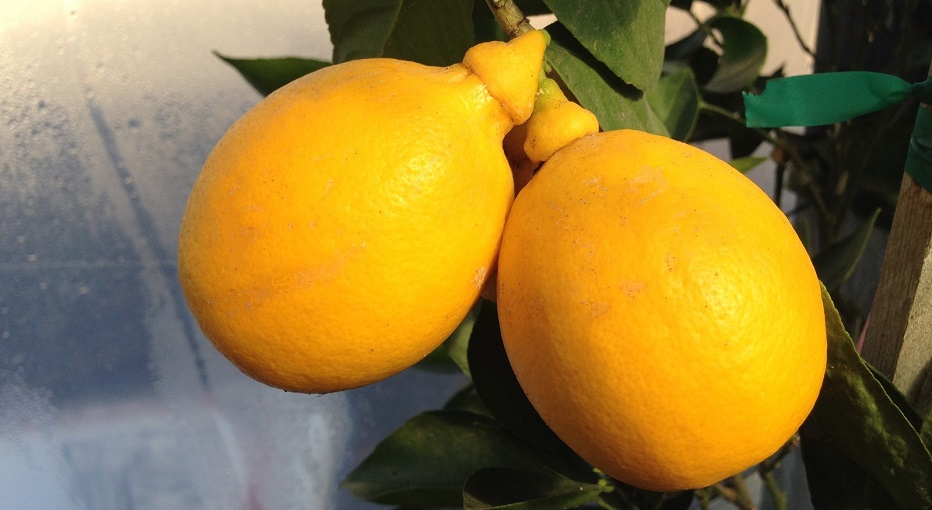
Nutrient deficiencies Iron deficiency is common in areas with calcareous soils and alkaline water. The iron may be present in the soil, but it is in a form that is unavailable to the plant when grown in alkaline conditions. Deficiency occurs on young leaves, and the veins remain green while the rest of the leaf is yellow. This condition can cause dieback of limbs and small fruit. Iron deficiency is also associated with excessively wet soils or prolonged wet conditions, as this depletes the root system and uptake of nutrients [...]

By |2025-02-19T11:47:58-06:00November 5th, 2019|Trees, Insects, Fruit & Nuts, Disease|

Choosing A Tree For Your Landscape

Choosing a Tree for your Landscape Having been involved in diagnosing tree disorders for many years, I feel the need to pass on some information that might help you avoid certain tree issues in your landscape. There are many factors to consider before choosing the right tree for your yard. Knowing these factors ahead of time can prevent loss of a tree. Choose a tree for the spot, not a spot for the tree! Know what mature height and spread the area you want to plant a tree in can [...]

By |2024-10-19T14:28:31-05:00October 28th, 2019|Trees|

Deer Injury to Trees

We are at the time of year again when the deer are in “the rut”. “The rut” refers to the breeding season, from about September to February in Central Texas. Anyone with newly planted or young trees in deer territory should be aware of this season and take measures to protect these trees from irreparable damage. Bucks will be rubbing their antlers on primarily young trees with thin bark, marking their “territory” and showing their dominance to intimidate other bucks. They begin this marking behavior in the fall, and then [...]

By |2019-10-19T14:07:28-05:00October 19th, 2019|Trees|

Planting Wildflower Seeds

Whether you have a meadow you would like to establish with wildflowers or just want to plant some bee and butterfly friendly flowers in your landscape, NOW is when we plant the seeds that will provide the blooms next spring.  Adding native grasses and wildflowers provides food for the birds, nectar and pollen for the pollinators, and can assist butterflies in migration. Are you ready to get started? If you have existing warm season grasses where you would like to seed wildflowers, mow the grass short and remove thatch, if [...]

By |2022-11-09T14:47:51-06:00September 15th, 2019|Plants|
Go to Top