Bringing in the Butterflies!

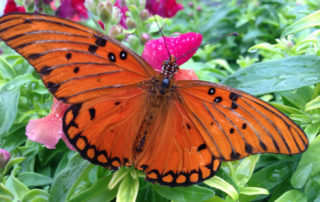
Working in a nursery certainly has its advantages. When the butterflies are out in force, it is a show-stopping display! Most of you know that butterflies have less specific “nectar” plants for the adult butterflies and more specific “food” plants for the caterpillars. It is interesting that the adults will often scope out where to lay their eggs while they are feeding on nectar. For this reason, it is helpful to have some of the “food” plants nearby when planting your nectar garden. An example of a “food” plant for [...]

By |2018-05-29T12:07:30-05:00May 29th, 2018|Insects, Plants|

Grasshopper Control

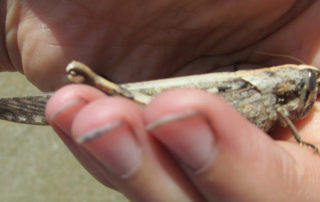
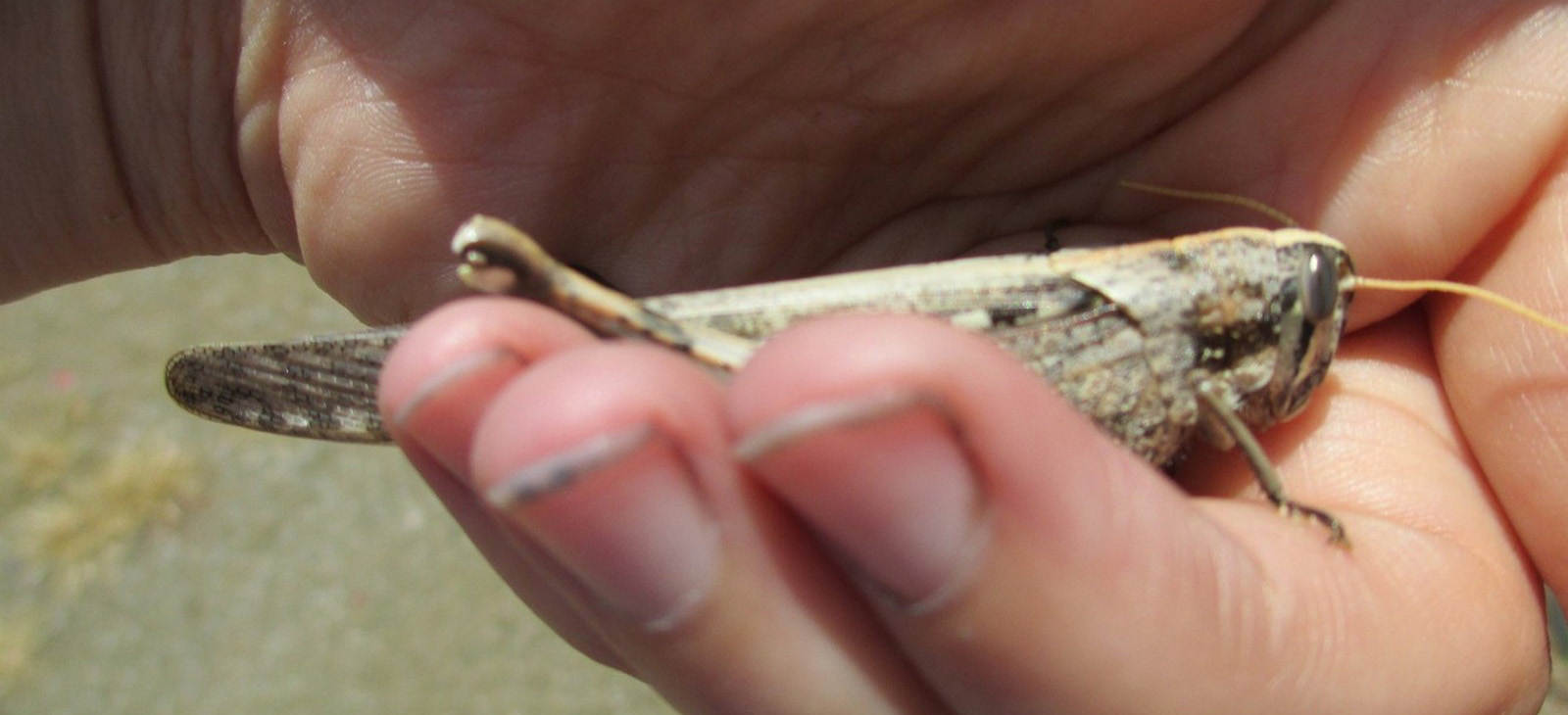
As our weather becomes hotter and drier, grasshoppers will become plentiful. Studies have shown that they are more plentiful and more voracious feeders in hot, dry years. When we have cool, wet springs, they are affected by a naturally occurring fungal disease that can control the population a bit. Because we have little doubt that this summer will be hot and dry, NOW is the time to start control of these destructive insects with Nosema locustae, a single-celled microsporidium protozoan that is impregnated on wheat bran and broadcast in affected [...]

By |2020-03-03T11:49:04-06:00May 23rd, 2018|Insects|

Trichogramma Wasps

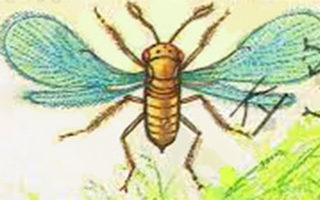
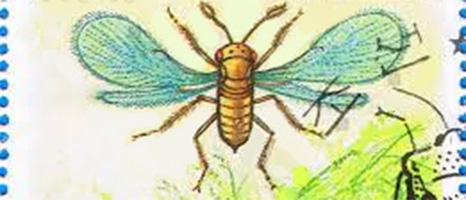
Trichogramma wasps, despite their small size, are efficient destroyers of eggs of armyworms, bagworms, peach borers, squash borers, cutworms, tomato hornworms, cabbage loopers, walnut caterpillars and other leaf-eating caterpillars.  The female wasp deposits an egg into the egg of the pest species. After consuming the contents of the host egg, the adult wasp emerges within about a week. During the female wasp’s 9-11 day lifespan, she will seek out and destroy about 100 pest eggs by laying her egg inside of it. Release should be timed when the pest moth [...]

By |2018-05-04T14:07:33-05:00May 2nd, 2018|Insects|

Squash Vine Borers (SVB)

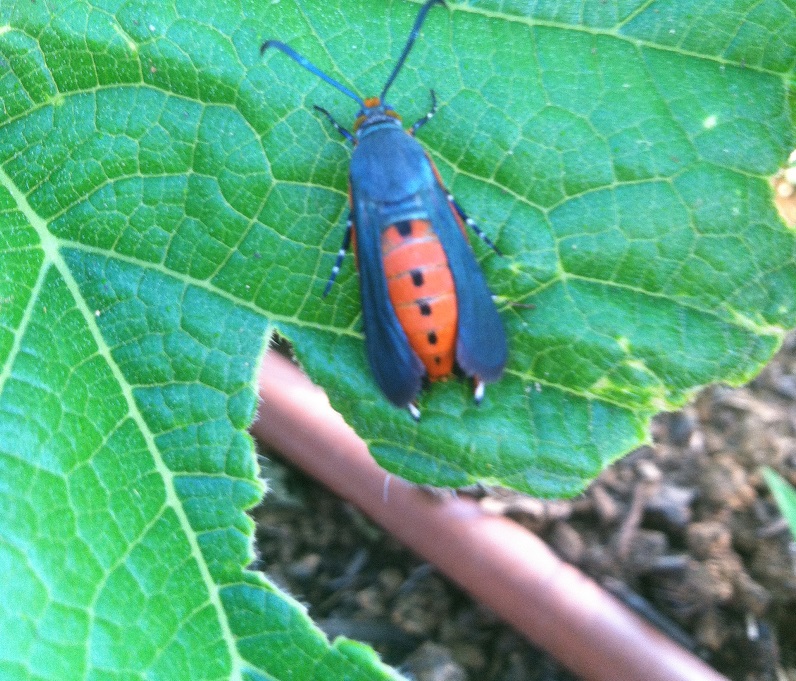
  I don’t know about you, but I consider squash vine borers to be one of my garden’s worst enemies! Just when my squash vines are beginning to produce well, they suddenly go limp and die! Luckily, there IS something we can do to prevent or minimize the damage from this pesky insect. Understanding the life cycle of any pest is key to its management.       Are all Cucurbits susceptible? There are some cucurbits that may not be affected. These include butternut squash, Tatume squash, white bush scallop [...]

By |2025-04-28T11:45:25-05:00April 18th, 2018|Vegetable Gardening, Insects|

Scarlet Laurel Bug on Texas Mountain Laurel

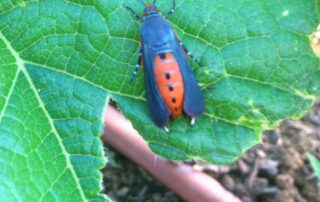
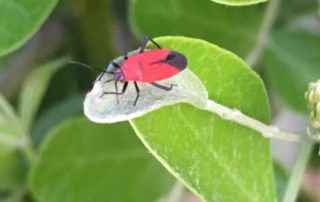
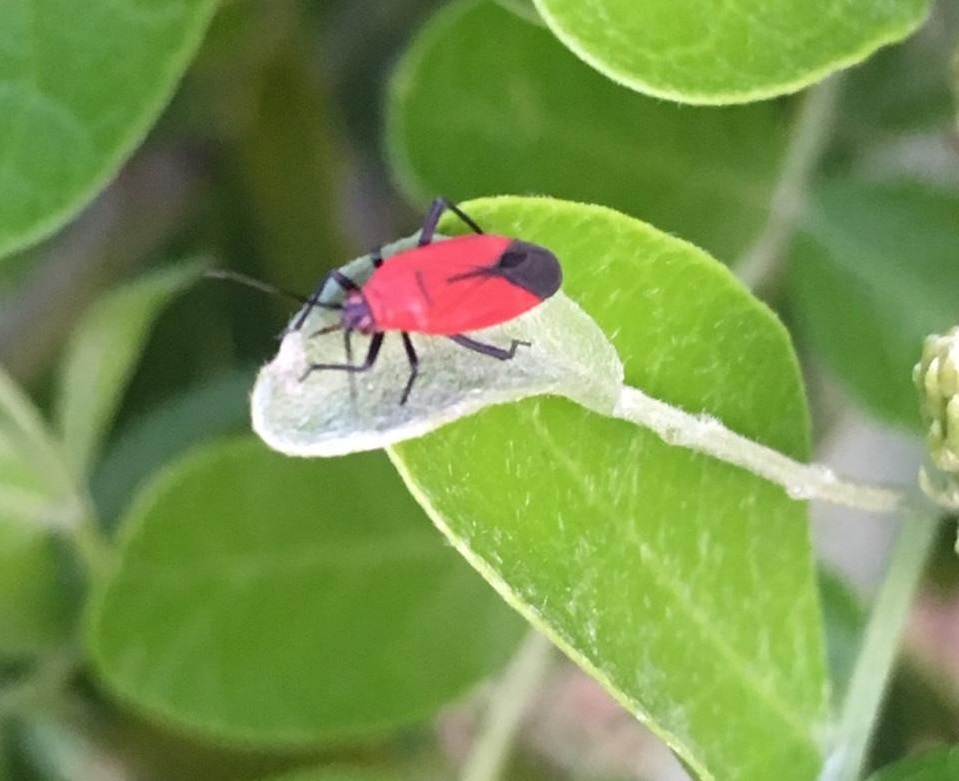
Some of you may have noticed an exceptionally large outbreak of the Scarlet Laurel Bugs on the new growth of your Texas Mountain Laurels this year. This scarlet red bug with a central black wing area feeds on new growth, blooms and seed pods. In addition to having piercing/sucking mouthparts, the female of this species inserts eggs in to plant tissue with a bladelike ovipositor, causing further damage to foliage on your trees. Scarlet Laurel Bugs are “True Bugs”, meaning they are in the Order Hemiptera, and are related to [...]

By |2019-04-24T11:05:09-05:00April 12th, 2018|Insects|

Spider Mites on Italian Cypress

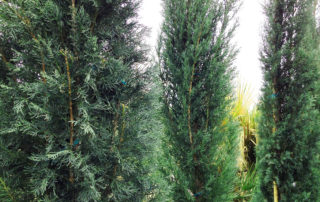
Treat Italian Cypress NOW! I’ve often mentioned that we have these “windows” for controlling insects and diseases on plants. For those of you who have Italian Cypress planted in your landscape, don’t miss this opportunity to apply dormant oil to prevent spider mites from infesting your plants this spring. I have had great success with one application of All-Season’s Spray Oil in February/March on Italian Cypress to suppress this damaging insect which often shows up in March. There are a few guidelines to go by for successful results: Temperatures must [...]

By |2019-03-13T15:16:47-05:00February 7th, 2018|Insects|

Cabbage Loopers

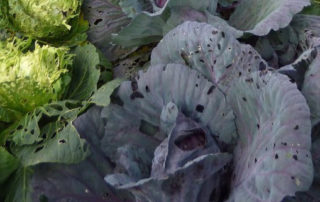
Have you seen holes in your Cabbage leaves? If you have ever grown members of the Crucifer family, such as broccoli, cabbage, cauliflower, kale, radish or turnip, you have probably experienced the wrath of one of three hungry caterpillars. The cabbage looper, the imported cabbageworm and the larvae of the diamondback moth can all make your beautiful vegetable leaves look like Swiss cheese! Learn how to prevent these damaging insects using organic methods.   Where do these cabbageworms come from?   Imported cabbageworms adults are probably the most conspicuous of [...]

By |2025-12-28T10:56:54-06:00January 15th, 2018|Vegetable Gardening, Insects|

Twig Girdlers

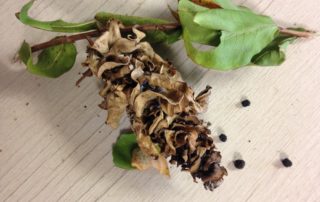
    I came out one morning and my driveway was covered in the tips of the branches from my enormous Cedar tree. (Actually, what we call a Cedar in Central Texas is really an Ashe Juniper.)           I picked up one of the fallen branch tips. It was about 3-4” long.  I examined the cut end of the twig. Yep. I could see the smoothly chewed groove that caused the twig to fall. It was Twig Girdler damage, all right!         Twig [...]

By |2025-11-02T08:37:22-06:00November 6th, 2017|Insects, Trees|

My Lawn is ALIVE!

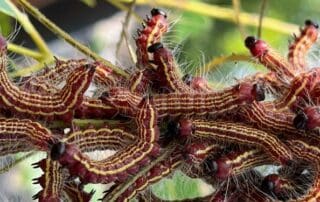
Soooooo many calls the past two weeks about “creepy crawlies” on lawn grasses! What is going on, and what can we do about it? Many lawns were visited a month or so ago by hoards of 1-inch-wide tan or mottled gray moths. The moths laid eggs and the Armyworms have hatched! The rains last month gave these pests the conditions they needed to reproduce and cause rapid damage to lawns. Typically, these Armyworm larvae feed and are most active at night and on overcast days. In daylight, they will hide [...]

By |2021-08-20T07:36:15-05:00October 18th, 2017|Insects, Lawn Care|

Midges are a Nuisance!

There are a lot of perks that come with living near a lake or pond, especially in Texas. But in addition to swimming and boating, your summers might include large populations of mosquito-looking insects hatching in hordes! They infiltrate your outdoor spaces, fly in your mouth and up your nose, turn your patio into a dark mess of squashed bugs, hover around your porch lights, and generally cause a huge nuisance! Aquatic midges, also known as non-biting midges, are related to flies but look like mosquitoes. Females lay their eggs [...]

By |2017-08-24T13:10:43-05:00August 24th, 2017|Insects|

Lace bug Damage on Lantanas

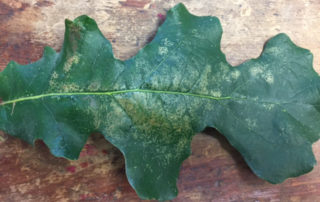
Lace bug damage usually occurs on Lantanas in mid to late summer.  The leaves will appear “bleached-out”, and there will be black specks on the back of the leaves, which is the excrement of the insect. Cut the plants back to about one foot by one foot if badly damaged. Bag the clippings "in place" and rake the leaves up as well. Dispose of clippings and leaves in the garbage and do not compost. Cleaning up and removing infected plant material will help eliminate overwintering insects that could reinfect the [...]

By |2025-08-17T08:37:58-05:00August 1st, 2017|Insects|

Crape Myrtle Aphids

It’s funny, we rarely get the question, “how do I control aphids on my Crape Myrtles?” More often, we are asked, “why are my Crape Myrtle leaves black?” Or, “what is dripping on my car from the Crape Myrtle trees?”  Both of these questions refer to an infestation of an insect called a Crape Myrtle aphid. Yes, they actually are named after the tree. That, in itself, tells us something. It is one of the most common pests of Crape Myrtles in the United States. Apparently it was introduce from [...]

By |2022-04-11T13:47:25-05:00May 30th, 2017|Insects|
Go to Top