Do you need advice on what to plant in Central Texas?

If you need advice on what to plant in a specific location of your landscape in Central Texas, there are several key pieces of information that you need to bring to the experts at Backbone in order to receive a recommendation that will thrive in your landscape. Let's go over the information to consider before choosing a tree, shrub or perennial plant for you landscape. What type of soil are you planting in? Central Texas has a variety of soil types, and each one has its own specific properties. Does [...]
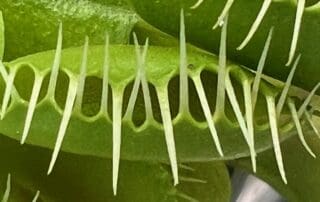
Caring for Venus Flytraps in Central Texas

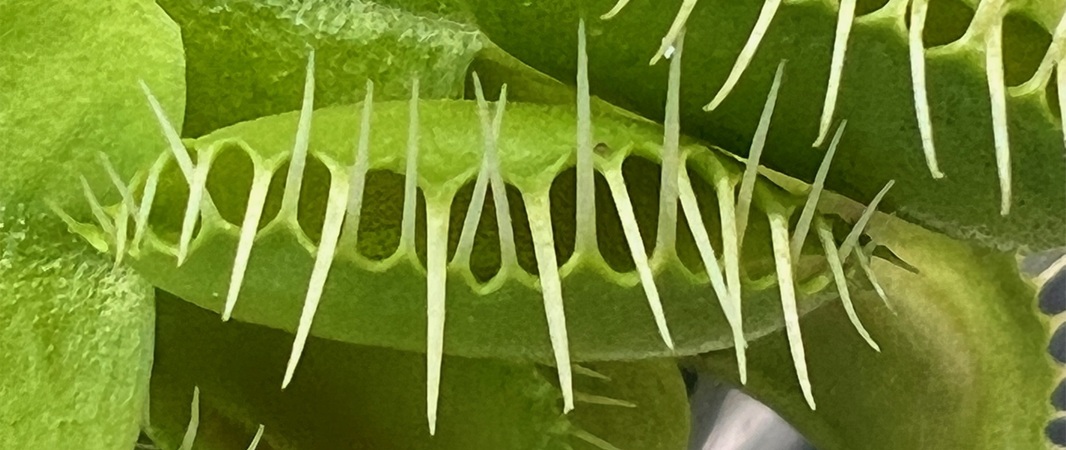
As a horticulturist here in Central Texas, I get a lot of questions about the fascinating Venus flytrap (Dionaea muscipula). While they look exotic, they can absolutely be grown successfully here — with the right care. The key is understanding that they are not typical houseplants. Here’s how to keep your Venus flytrap thriving in our hot, dry climate. ☀️ Light: Full Sun Is Essential Venus flytraps are not low-light terrarium plants. Provide 6+ hours of direct sun daily Morning sun and bright afternoon light are ideal In Central Texas [...]

By |2026-03-09T15:17:46-05:00March 9th, 2026|Plants, Houseplants|

Compost Isn’t the Whole Story

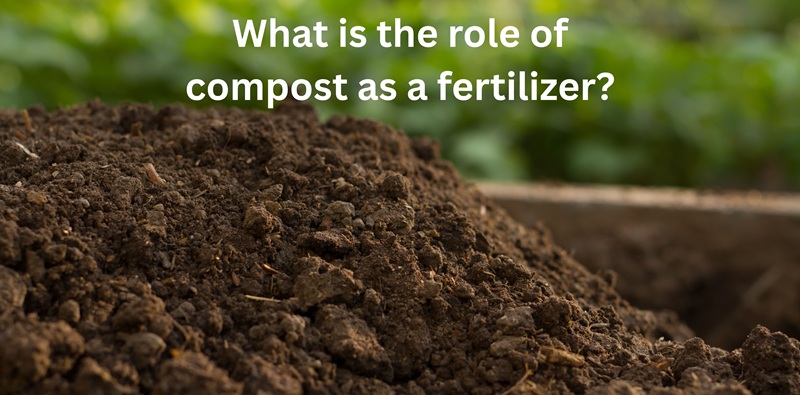
🌱 Compost Isn’t the Whole Story: Building Healthy Soils in Central Texas If you’ve spent any time gardening in Central Texas, you already know our soils can be…challenging. From alkaline clays to rocky Hill Country ground, growing healthy plants often starts with improving what’s under your feet. One of the best tools we have is compost—but it’s not a complete solution on its own. Let’s break down what compost really does in your soil—and why fertilizers still play an important supporting role. 🌿 What Compost Does for Your Soil Compost [...]

By |2026-02-26T08:01:21-06:00February 26th, 2026|Native Plants, Plants, Disease, Vegetable Gardening|

Growing Asparagus in Central Texas

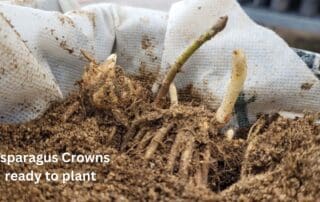
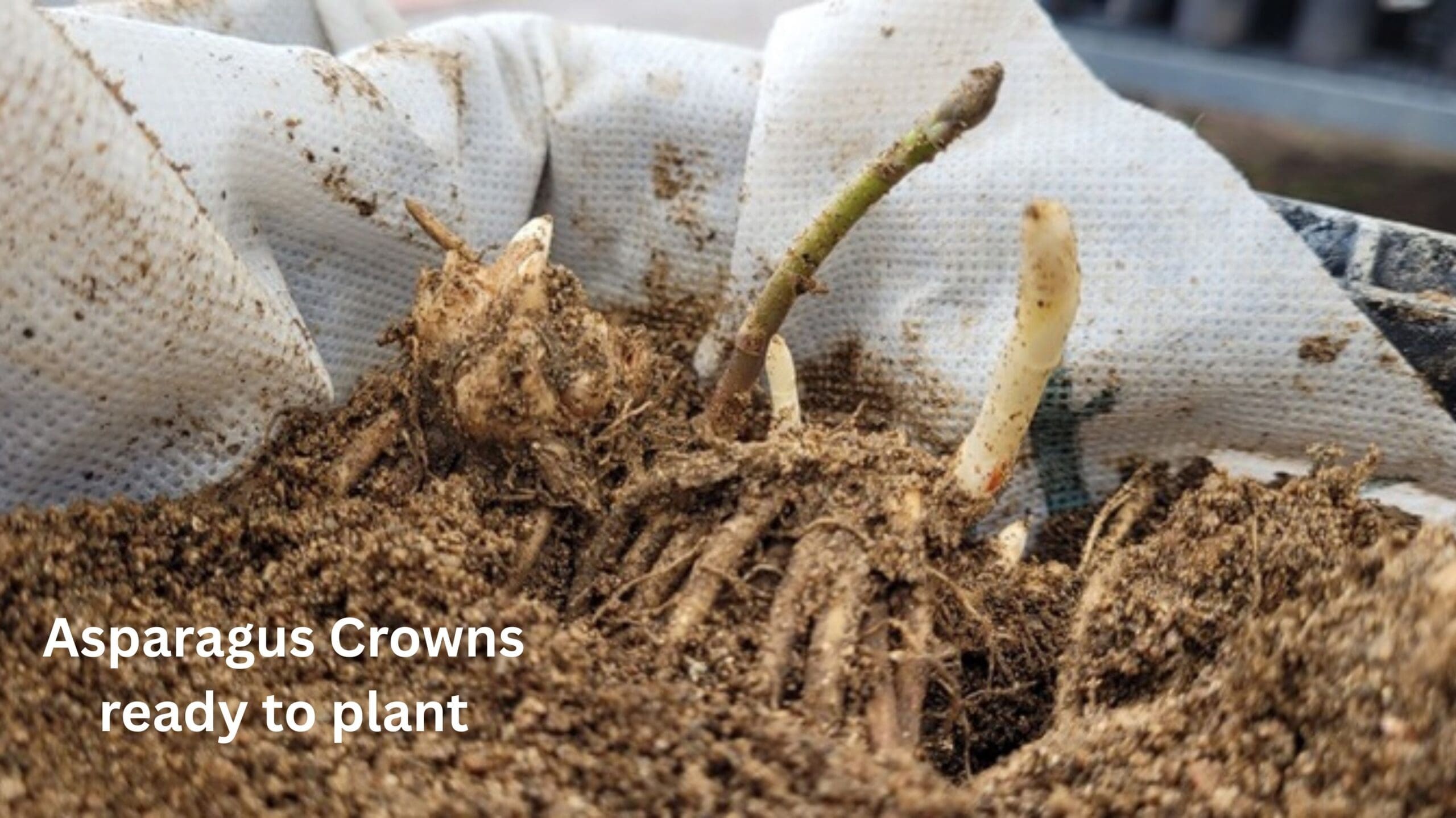
How to Grow Asparagus in Central Texas (Planting, Care, and Harvesting Guide) Growing asparagus in Central Texas is a long-term investment that pays off with decades of fresh, homegrown harvests. With proper planting, soil preparation, and seasonal care, asparagus crowns can produce for 20 years or more—even in our hot Texas climate. This guide covers when to plant asparagus in Central Texas, how to prepare your beds, and how to care for asparagus year after year for maximum yields. When to Plant Asparagus in Central Texas Plant asparagus crowns in [...]

By |2026-01-11T14:17:17-06:00January 11th, 2026|Plants, Vegetable Gardening|

Oil Products for Insect and Disease Control

Using Oil Products as Effective Alternatives to Synthetic Pesticides Gardeners today can choose from a wide range of oil-based products that serve as effective alternatives to synthetic insecticides and fungicides. These products include oils refined from petroleum as well as oils extracted from plants and animals. In Central Texas landscapes, horticultural oils offer reliable pest and disease control with minimal environmental impact. Petroleum-Based Horticultural Oils Petroleum oils, including mineral oils, consist of highly refined paraffinic oils commonly sold as horticultural spray oil, summer oil, or white mineral oil. These modern [...]

By |2026-02-02T13:13:12-06:00January 11th, 2026|Disease, Insects|

Tree Installation Fees 2026

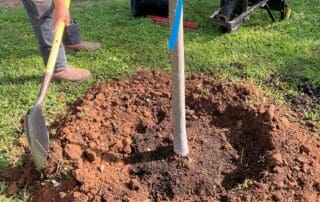
Tree Installation Fees These are our basic installation fees. Pricing may vary depending on tree location and soil conditions. Trees over 100 gallon size and large palm trees will require a separate quote. If soil is shallow or clay based, additional soil may need to be brought in at an additional fee. All tree installations will require a mandatory delivery fee based on mileage. This charge is per trip, for as many trees that will fit on our trailer.    Install Fee:     50% of the retail price of [...]

By |2025-12-29T11:36:44-06:00December 29th, 2025|Trees|

Ground Covers for the Shade in Central Texas

Do you need a ground cover that will thrive in the shade? Choosing a ground cover for the shade requires additional information. It is important to choose a ground cover that will thrive in the conditions that it will be living in. Remember to consider soil type, soil drainage and irrigation capabilities for the best long term outcome.      Asian Jasmine    Trachelospermum asiaticum This evergreen vine, native to Japan and Korea, grows 6"-18" tall and spreads about 3' wide. It will grow in sun or shade and is drought [...]

By |2025-12-29T11:18:45-06:00December 29th, 2025|Plants, Native Plants|

Lace Bugs on Texas Persimmon

Are your Texas Persimmon trees looking sickly and dropping leaves? Many customers have reported that their Texas Persimmon trees are looking worse for wear in the heat of the summer. Not unexpectedly, Lace Bugs are showing up on Texas Persimmon this summer. The leaves appear "mottled" from the insects feeding on the undersides of the leaves with their sucking mouthparts. If you inspect the undersides of the leaves you will see little black "dots", which are the insect's excrement. This insect is tiny but visible to the naked eye. It [...]

By |2025-12-28T14:34:20-06:00December 28th, 2025|Insects, Plants, Native Plants|

Fig Leaf Rust

Fig Leaf Rust is a common fungal disease affecting Fig trees in the South. When fig leaves start looking sad in late summer we get a lot of questions about what can be done. Most fig varieties are susceptible to a fungal disease called Fig Rust, and it is not uncommon to see symptoms of this fungus on stressed trees. What are the symptoms of Fig Leaf Rust?     Fig Rust symptoms begin as angular yellow-green flecks on the leaf. The spots become more yellow and eventually turn a [...]

By |2025-12-29T12:40:27-06:00October 12th, 2025|Disease, Fruit & Nuts, Plants, Trees|

Webs on Ends of Tree Branches-Friend or Foe?

Webs Forming at Tips of  Tree Branches     Has anyone seen tips of tree branches that are covered in spider webs? We have! Ground spiders will often form disorganized webs at the tips of tree branches and raise their brood of thousands of tiny spiders there. Fortunately most of these webs are made by these harmless and beneficial spiders, and not by pests at all.  This web was made by a spider on a leaf of a young Live Oak.           We have seen examples [...]

By |2025-10-12T12:55:47-05:00October 12th, 2025|Insects, Plants, Trees|

White Mold on Mulch or Potting Soil

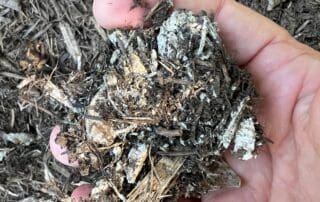
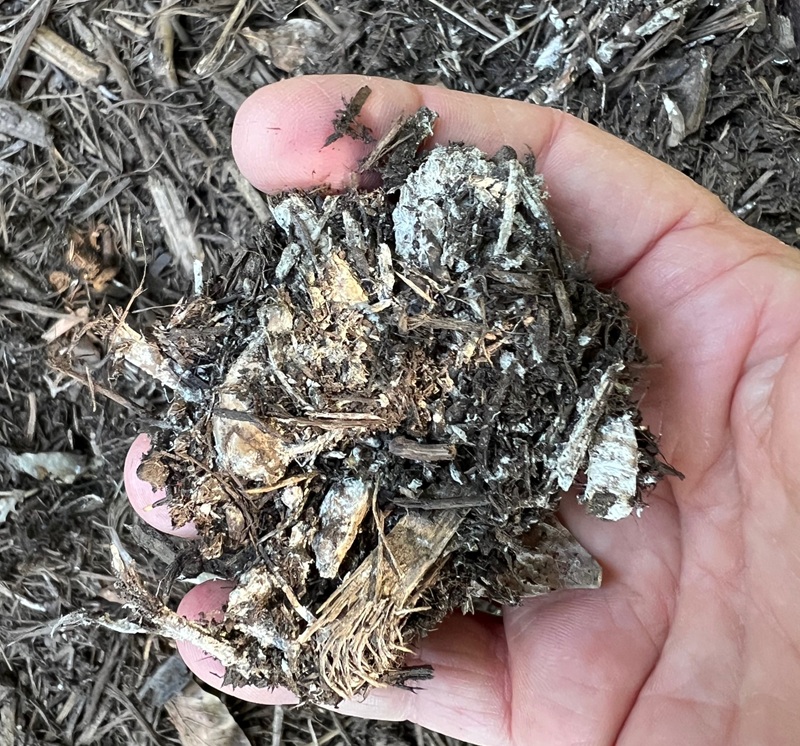
Have you ever opened a bag of mulch, compost or potting soil only to find it is infested with white mold? Have you ever found a white moldy substance growing on or below the mulch in your yard? What is that white stuff on my soil or mulch? It is likely just a harmful saprophytic fungus that is busy at work decomposing organic matter in the mulch or soil. If the white fungus does not look string-like, it could be another fungus called Dog Vomit Slime Mold. Is the white [...]

By |2025-12-28T11:18:35-06:00September 30th, 2025|Disease, Plants|

Pecan Varieties for Central Texas

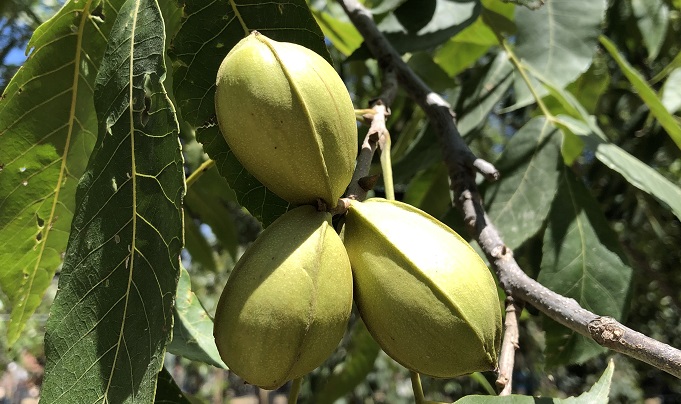
PECANS: Mix early and late pollinators for best nut set. All varieties do better with a pollinator. Mature height and canopy width of 30 x 30 ft. Remember, Pecan trees do best in deep soil. If planted in the home lawn always check labels on insecticides, fungicides and herbicides before applying them to the lawn. If the label says "do not apply under the canopy of fruit or nut trees" use another option   Choctaw (Cho)– Late pollinating variety with very large nuts and soft-shell. Early bearing variety with good [...]

By |2025-09-23T13:12:48-05:00September 23rd, 2025|Fruit & Nuts, Plants, Trees|
Go to Top