TIPS FOR YOUR
GARDEN & LANDSCAPE

Winter Lawn Watering

Is it necessary to water lawns in the winter? Many people are asking whether to water their lawns in the winter. In Central Texas, that can be a loaded question. Some winters, the temperatures do not drop low enough for a long enough time for our lawns to even go dormant. In that case, if we do not receive ½” of rain, we would advise watering about ½” every two weeks. During our colder winters, when grass turns brown and goes dormant, the roots still remain viable and grow very [...]

By |2023-12-03T09:44:15-06:00January 29th, 2018|Lawn Care|

Remediating Freeze Damage in Plants

It is a “given” in Central Texas that certain popular varieties of plant material will sustain a freeze, eventually, that will cause extensive damage or even death. I receive many questions, daily, following an unusually cold period, about how to deal with plants that appear to have frozen and what to do with them. Here are a few that may have experienced damage, and some suggestions on how to deal with them. Little John Bottlebrush: Although this plant is rated for Zone 9, it is used extensively in this area, [...]

By |2018-01-22T17:22:25-06:00January 22nd, 2018|Plants|

Cabbage Loopers

Have you seen holes in your Cabbage leaves? If you have ever grown members of the Crucifer family, such as broccoli, cabbage, cauliflower, kale, radish or turnip, you have probably experienced the wrath of one of three hungry caterpillars. The cabbage looper, the imported cabbageworm and the larvae of the diamondback moth can all make your beautiful vegetable leaves look like Swiss cheese! Learn how to prevent these damaging insects using organic methods.   Where do these cabbageworms come from?   Imported cabbageworms adults are probably the most conspicuous of [...]

By |2025-12-28T10:56:54-06:00January 15th, 2018|Insects, Vegetable Gardening|

Plant Fruit Trees NOW

I am sure you all have heard the old adage “the best time to plant a tree was ten years ago!” Well, I am here to tell you that it is TRUE! Because some varieties of fruit trees can take a few years to produce a good harvest, it is even more important to plant them AS SOON AS POSSIBLE! Planting them now gives them a jump-start for spring-their root system will be well on the way to becoming established, and better able to survive the Central Texas summers! Some [...]

By |2024-01-06T13:02:16-06:00January 8th, 2018|Fruit & Nuts|

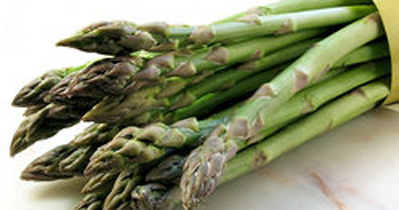
Asparagus Planting Guide

Plant asparagus roots or crowns in late winter/early spring (January-February in Central Texas). Prepare beds with heavy amounts of compost and organic fertilizer. We recommend using a mycorrhizal root inoculant (Happy Frog JumpStart contains both fertilizer and microorganisms, as does MicroLife 6-2-4) at the time of planting, as this has been shown to greatly increase yields in asparagus. Be sure to plant in full sun (at least 8 hours) and make sure that the soil drains well. Because once asparagus gets started it becomes very well established and difficult to [...]

By |2019-01-17T08:38:58-06:00January 2nd, 2018|Vegetable Gardening|

January Gardening Checklist

ANNUALS AND PERENNIALS:   Continue watering and fertilizing cool-season annuals to ensure productive flowering.  Use NutriStar Color Star time-release fertilizer once a month for continuous feeding.       Pansies are particularly heavy-feeders, and will always respond to fertilization with added blooms. Continue planting pansies, violas, ornamental cabbage and kale, snapdragons, dusty miller and cyclamen (protect cyclamen from freezes). VEGETABLES:   If you plan on growing transplants for spring planting, count back 6-8 weeks from the last average frost date to start tomato and pepper seedlings. This is early to [...]

Poinsettia Care after Christmas

With any luck, your Poinsettias have made it through the holidays unscathed, and you are wondering what to do with them now. Many people treat them as a “seasonal” florist plant and discard them, replacing them next year with new ones. However, if you hate throwing perfectly good plants away, you might be interested in learning how to keep your Poinsettia growing until next Christmas, and how to make it bloom again. Here are some steps to help you succeed: Locate a sunny window to grow your Poinsettia in until [...]

By |2018-12-26T12:05:21-06:00December 26th, 2017|Plants|

Camellias in Central Texas

Central Texas has very few plants which bloom in the winter. Azaleas bloom spring and fall, with some new varieties blooming all summer. Loropetalum blooms in February, as does Texas Scarlet Flowering Quince and Texas Redbud. But what about winter bloomers? Types of Camellias Camellias come to us from eastern and southern Asia.  The ornamental Camellias which do well in our area are Japanese Camellia (Camellia japonica) and Sasanqua Camellia (Camellia sasanqua).       One species, Camellia sinensis, is the plant from which our tea leaves come.     [...]

By |2024-05-04T09:11:16-05:00December 18th, 2017|Plants|

What Makes Onions Bulb?

Have you ever planted onions, only to be disappointed in the size of bulb produced, or even have no bulbs produce at all? Here are some guidelines to ensure bulb production of onions in your garden. Choose the right variety: onions are characterized by the length of day required for them to produce bulbs. “Long-day” varieties will quit forming leaves and begin forming bulbs when day length reaches 14-16 hours. These varieties do better in the NORTHERN STATES. They are often the little onion “sets” you find at the box [...]

By |2020-07-22T16:35:46-05:00December 11th, 2017|Vegetable Gardening|

Protecting Your Plants in the Winter

Do you have a plan for keeping your tender plants alive this winter?  Are you wondering which plants will need protection? The first thing you need to know is what hardiness zone your plant is classified in. Is it zone 10, like the Bougainvillea? Or zone 9, like Lemon Grass? The hardiness zone determines the minimum cold temperatures that a plant will tolerate. It is just a guideline, however, as other factors will also need to be considered. A tender plant that is well established going into the winter will [...]

By |2017-12-04T17:31:45-06:00December 4th, 2017|Plants|

Is it Christmas Cactus, Thanksgiving Cactus or Easter Cactus?

Christmas cactus and Thanksgiving Cactus are tropical plants native to the rainforests of Brazil. They grow in similar environments as epiphytic orchids, in the forks of tree limbs, where they grow in decayed leaves and other natural debris that accumulates there. The flattened stem segments have no true leaves. The shapes of the segments differ in each species, which aids in identification. Easter Cactus also grows in forests in Brazil, but in drier forests than the Christmas and Thanksgiving Cactus. They are not considered tropical plants and their care will [...]

By |2024-11-11T13:04:30-06:00November 27th, 2017|Succulents and Cacti, Houseplants, Plants|

Poinsettia Care

Poinsettias are such a symbol of the Holidays, and can be kept fresh-looking longer with just a few easy care instructions. Locate your Poinsettia close to a bright window if possible. The bracts will continue to “color up” with sufficient light. If you are satisfied with the color, you may display the plant in a darker area, but be aware that the color might fade. Check the soil daily for water. When the surface of the soil is dry to the touch, or if the pot feels light, remove it [...]

By |2019-11-17T00:57:06-06:00November 21st, 2017|Plants|
Go to Top