February Gardening Guide for Central Texas
What to Plant, Prune, and Protect This Month
February is a pivotal month for Central Texas gardeners. While winter isn’t quite finished, the soil is warming, cool-season crops are thriving, and proper timing now sets the stage for a successful spring. Here’s what to focus on in your vegetable garden, landscape beds, trees, and lawn this month.
🌱 Vegetables: Plant Early, Protect From Freezes

Onions
Onion transplants should be planted before mid-February for best results. Getting them in the ground early allows bulbs to size up before longer days arrive.
👉 Click HERE for planting instructions.
Direct-Seed Cool-Season Crops
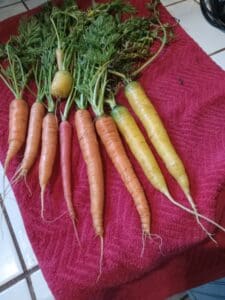
Now is the time to seed directly into the garden:
- Swiss chard
- Carrots
- Turnips
- Radishes
- Beets
Be prepared to cover seedlings during hard freezes to prevent cold damage.
Leafy Greens
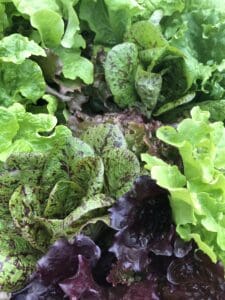
Plant cool-season greens early in the month from seed, including:
-
Lettuce
-
Spinach
-
Mesclun mixes
-
Mustard greens
- Kale
These crops prefer cooler temperatures and will perform best before spring heat arrives.
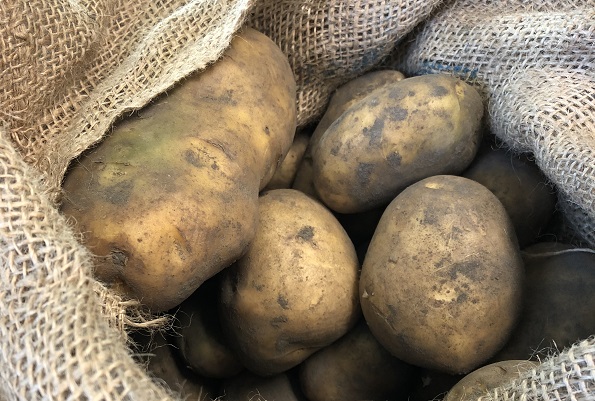
Potatoes
Potatoes are traditionally planted around President’s Day in Central Texas.
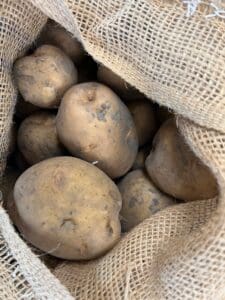
Recommended varieties:
- White Kennebec
- Yukon Gold
- Red Lasoda or Pontiac
👉 Click HERE for growing instructions.
Fertilizing & Pest Control

Feed cool-season vegetables with:
- Happy Frog Marine Cuisine
- Happy Frog Tomato & Vegetable Fertilizer
- MicroLife 6-2-4 organic fertilizer
Watch for pests:
-
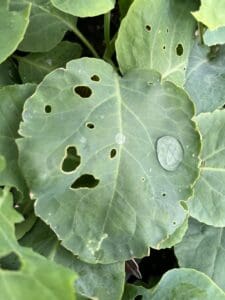
Loopers on Cole crops (cabbage, broccoli, cauliflower, etc.)— control with Bt or Spinosad
-
Aphids — check under leaves and control with insecticidal soap, Spinosad Soap, or a strong spray of water
🌸 Fruit Trees: Plant now while they are dormant
- Fruit trees are at prime availability this month. Planting during the dormant period allows the tree to establish a root system before the heat of summer arrives.
- If you have not planted fruit trees in Central Texas before, please read our blog HERE to learn what conditions are required.
- If you do not have adequate soil to grow fruit trees you can build a raised bed as outlined in our blog above.
- Use our signature soil mixes to build your raised beds. Delivery available. Click HERE for list of bulk soil products available.
🌳 Fruit Trees: Prune late February
Late February is the best time to prune fruit trees in Central Texas. Delay pruning until right before the buds start to swell, if possible. It is still ok to prune if the tree has begun blooming.
Click HERE for a video detailing winter pruning of peach trees.
🌸 Annuals & Perennials: Prune and Prepare
-
Continue fertilizing winter color beds and containers with Nelson Plant Food “Color Star” time-release fertilizer to maintain blooms and vigor.
-
In late February, cut back:
-
Herbaceous and woody perennials like Lantana, Pride of Barbados and Esperanza.
-
Ornamental grasses to about 6 inches before new growth begins
-
👉 Click HERE for Pruning Guidelines.
🌳 Trees & Shrubs: Finish Pruning on Time
-
Complete pruning of dormant trees and shrubs by the end of February.
-
Live Oaks and Red Oaks should NOT be pruned after January 31 due to the risk of Oak Wilt spread by Nitidulid beetles.
🌸 Roses: Plant now, prune mid to late February:
February is the prime month to prune roses in Central Texas.
- Plant new roses this month to allow strong root development before spring
-
Shape and prune mid to late February. Click HERE for more information on pruning roses.
-
Fertilize in March with a balanced fertilizer such as Maestro Gro Rose Glo
Amend soil at planting with quality compost:
-
Happy Frog Soil Conditioner
-
Heirloom Mushroom Compost
🌱 Turf Care: Weed Control Timing Is Everything
Pre-Emergent Weed Control:
PLEASE MEASURE YOUR YARD BEFORE PURCHASING SO THAT YOU KNOW THE SQUARE FOOTAGE THAT YOU NEED TO TREAT
Warm-season weeds are about to germinate. Apply pre-emergent herbicides in early to mid-February:
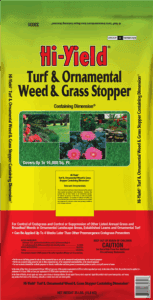
Hi Yield Turf & Ornamental Grass Stopper with Dimension
💧Water-in with 1/2″ of water to activate

Pendulum 2G pre emergent herbicide
💧Water-in with 1/2″ of water to activate.

Some weeds (like khaki weed and goat heads) require:
Fertilome Broadleaf Weed Control with Gallery
💧 Water in with ½ inch of irrigation to activate.
Click HERE for more info on Sticker Bur control.
Organic Option
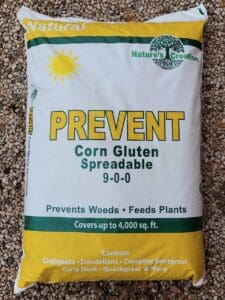
Corn gluten can be used organically at 20 lbs per 1,000 sq ft.
-
Water in with ½ inch
-
Keep lawn dry for 4–5 days afterward for best results
Post-Emergent Control
Cool-season weeds growing now are easiest to control before they flower.
-
Spot-spray only the weeds
-
Avoid spraying under tree canopies
-
Mow first if weeds are mature to improve effectiveness
Organic Non-Selective Spray
For spot treatment:
-
1 gallon 20% horticultural vinegar
-
2 tablespoons orange oil
-
2 tablespoons Dawn dishwashing liquid
This controls top growth only, so repeat applications improve results.
👉 Click HERE for more information.
🚫 A Critical Reminder: Avoid “Weed and Feed”
Do NOT use weed-and-feed products in Central Texas lawns.
These products:
-
Do not target weeds effectively
-
Can damage trees and shrubs
-
Contain high levels of inorganic nitrogen that encourage disease

Delay fertilizing lawns until March or April, or after mowing 2–3 times. We recommend MicroLife organic fertilizers, which contain beneficial microbes and mycorrhizal fungi that improve nutrient and water uptake.
Healthy lawns built with good cultural practices naturally crowd out weeds and protect tree roots.