Tomato Tips

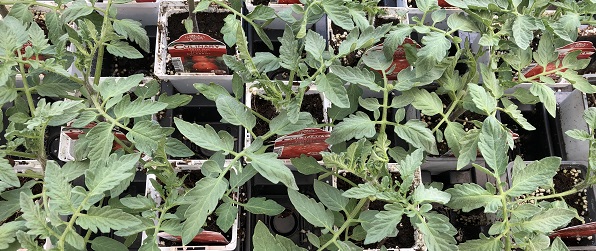
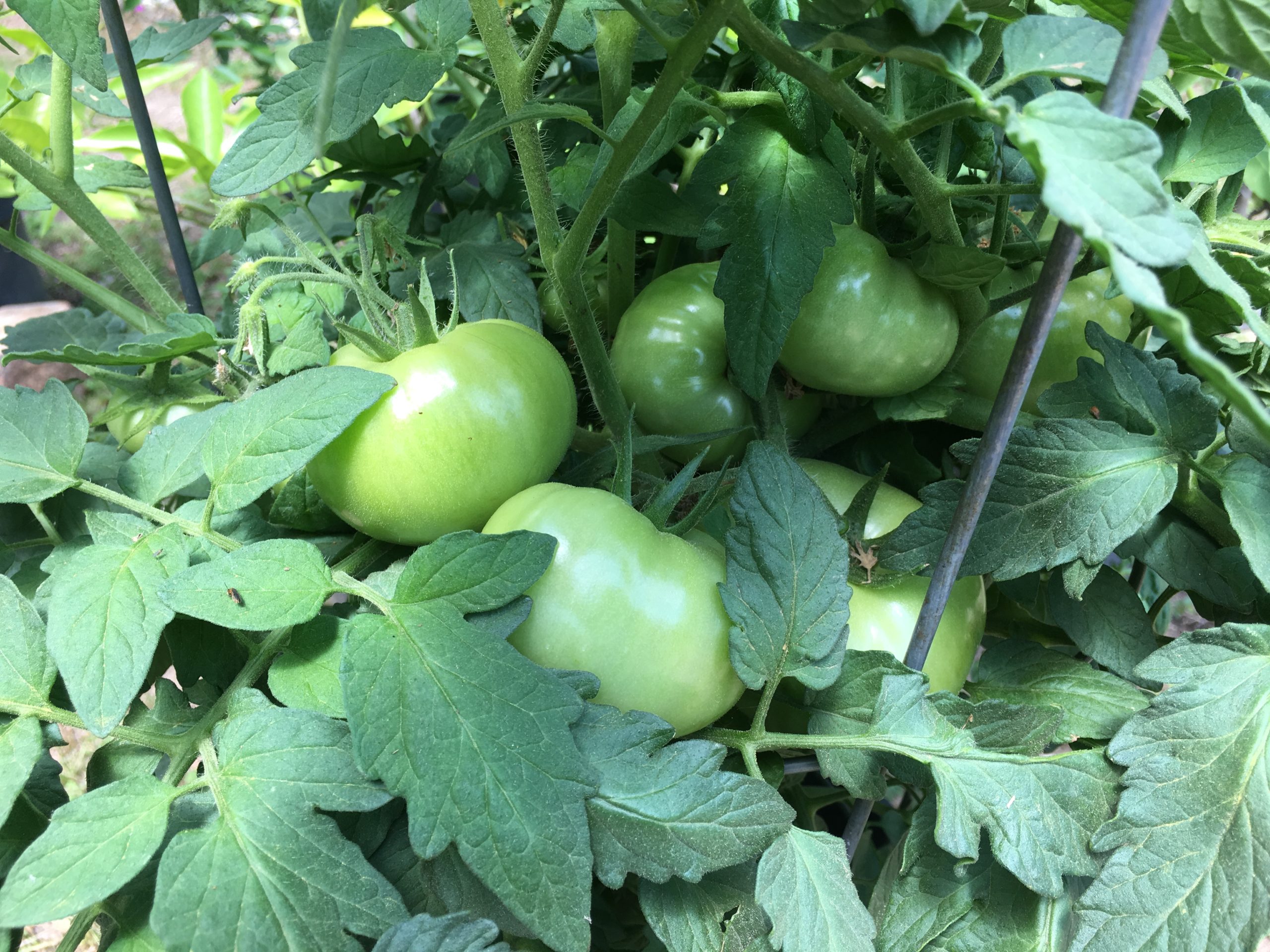
  Tomato Tips Timing: Plant as early as possible in Central Texas. Buy your transplants in February and transplant them to 1-gallon pots which you can move in and out according to the temperature. Tomatoes will not do well below 55 degrees but can be set out in the sun during the warmer days until mid-March, when they can be planted directly into the garden. Your plants will likely have flowers and fruit on them when you set them out! Container or In-ground: Containers should be a minimum of 15 [...]
By |2026-01-07T15:57:32-06:00February 25th, 2020|Insects, Disease, Vegetable Gardening|

Beneficial Nematodes

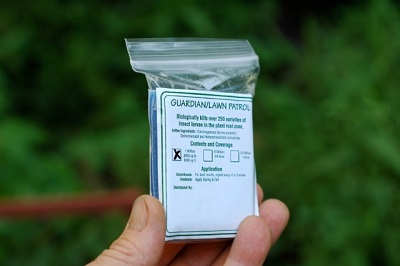
Beneficial Nematodes: Natural Pest Control for Lawns and Gardens Beneficial nematodes are microscopic, whitish-to-transparent, unsegmented worms. Thousands of nematode species exist, and each species has its own feeding preferences. Certain beneficial nematodes actively search for insect pests, including insect pupae and larvae, in consistently moist soil. They can target more than 250 species of insects, including: White grubs Termites Peach tree borers Fire ants Stink bugs Fleas Chinch bugs Field crickets Flea beetles How Do Beneficial Nematodes Control Insect Pests? Beneficial nematodes provide a natural way to control many lawn [...]

By |2026-09-21T12:48:43-05:00February 1st, 2020|Lawn Care, Fruit & Nuts, Vegetable Gardening|

Learn to Grow Onions in Central Texas

Learn to Grow Onions in Central Texas Growing onions in Central Texas is pretty easy, really. Onions grow during our cool season in Central Texas, and they will be harvested in late spring just in time to plant another crop like Okra or Southern Peas . Onions require relatively little care and have few pests that affect them. Be sure to purchase "transplants" of short-day onion varieties and not the round little balls of "onion sets" that are sold in the box stores. Those are long-day onion varieties for northern [...]

By |2025-12-28T14:59:50-06:00January 26th, 2020|Vegetable Gardening|

Leaf Footed Bugs on Tomatoes

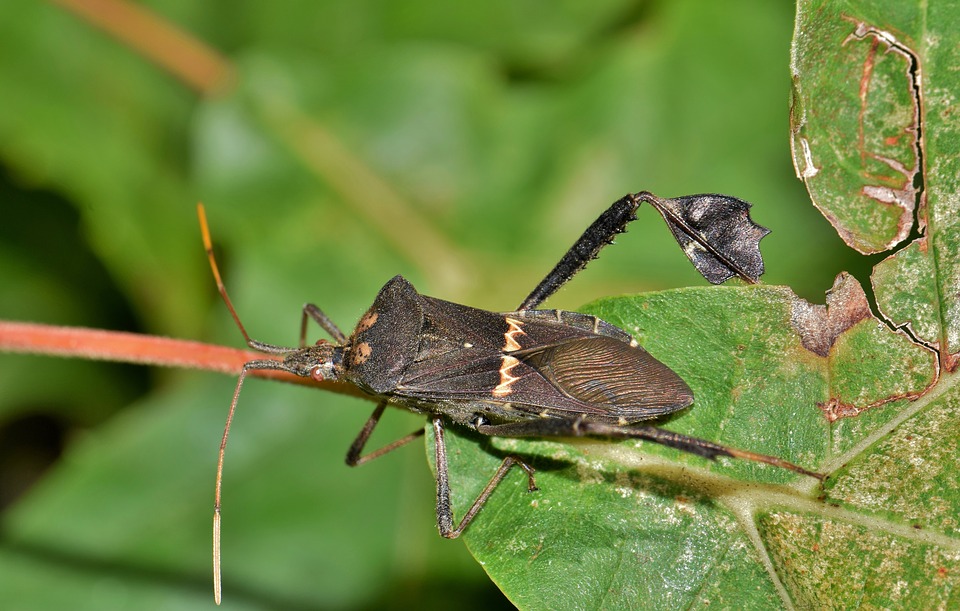
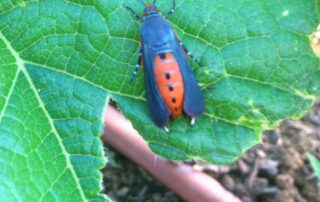
Leaf-footed bugs are related to stink bugs. They can be distinguished from other types of stink bugs by the leaf-like appendages on their hind legs.  Click HERE for more photos and information. If leaf-footed bugs invade your garden, learn what the eggs and nymphs (babies) look like. Oblong golden-brown eggs are laid in a string-like strand on the midribs of leaves or on the stems of the plant. Nymphs are orange or reddish brown and will develop the "leaf like" appendages on their hind legs as they mature. It is [...]

By |2023-02-28T08:37:35-06:00May 30th, 2019|Vegetable Gardening, Insects|

February Gardening Checklist

February Gardening Guide for Central Texas What to Plant, Prune, and Protect This Month February is a pivotal month for Central Texas gardeners. While winter isn’t quite finished, the soil is warming, cool-season crops are thriving, and proper timing now sets the stage for a successful spring. Here’s what to focus on in your vegetable garden, landscape beds, trees, and lawn this month. 🌱 Vegetables: Plant Early, Protect From Freezes Onions Onion transplants should be planted before mid-February for best results. Getting them in the ground early allows bulbs to [...]

November Gardening Checklist

Trees and Shrubs The best planting season for trees and shrubs is now through mid-March. Root systems will establish well in the winter months, requiring less frequent watering than in the spring and summer establishment period. When the heat hits in late spring, your plants will benefit from the “head start” on root establishment!   Mulch: Trees and shrubs will benefit from an additional layer of mulch to protect their roots in the winter and to conserve moisture. Pull the mulch away from trunks and stems, as the mulch will [...]

Blossom-End Rot

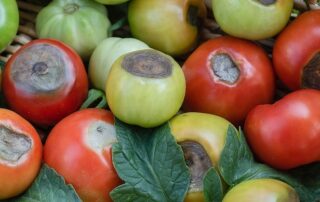
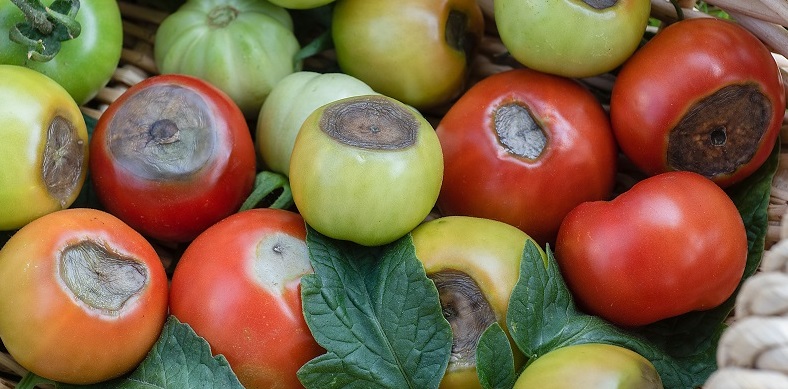
If you have ever had the “blossom end” of a tomato turn black, you have experienced “blossom end rot”. Caused by cultural conditions, and NOT disease, this malady can affect tomatoes, peppers, squash, watermelon and eggplant. Researchers agree that it is caused by a calcium deficiency in the blossom end of the fruit (yes, these are technically fruits, as they are actually formed from the ovary of a flower!) Now, why there is a deficiency is the real question, as Central Texas soils and water supplies are seldom deficient in [...]

By |2023-06-13T11:25:03-05:00June 13th, 2018|Vegetable Gardening|

Squash Vine Borers (SVB)

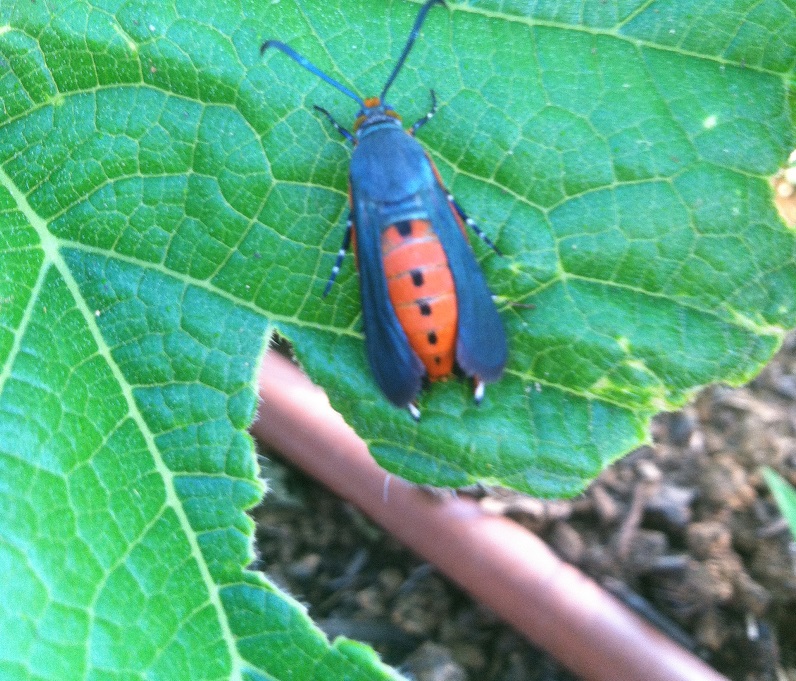
  I don’t know about you, but I consider squash vine borers to be one of my garden’s worst enemies! Just when my squash vines are beginning to produce well, they suddenly go limp and die! Luckily, there IS something we can do to prevent or minimize the damage from this pesky insect. Understanding the life cycle of any pest is key to its management.       Are all Cucurbits susceptible? There are some cucurbits that may not be affected. These include butternut squash, Tatume squash, white bush scallop [...]

By |2025-04-28T11:45:25-05:00April 18th, 2018|Insects, Vegetable Gardening|

March Gardening Checklist

Annuals and Perennials Now is the time to plant warm season annuals and perennials. Their root systems will have a chance to become established before the summer heat sets in, and hand watering will be easier when temperatures are cooler.  Be ready to protect your newly planted/tender plants with frost cloth just in case we get a late freeze. The average last frost in Burnet County is March 15.   Some of my favorite plants to add instant color to the winter-worn landscape or to your containers are marigolds, geraniums, [...]

Growing Potatoes in Central Texas

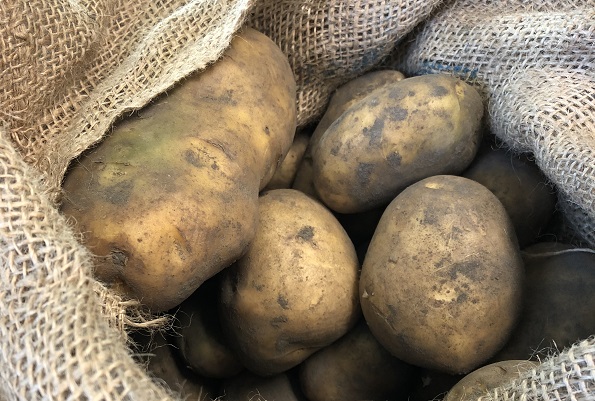
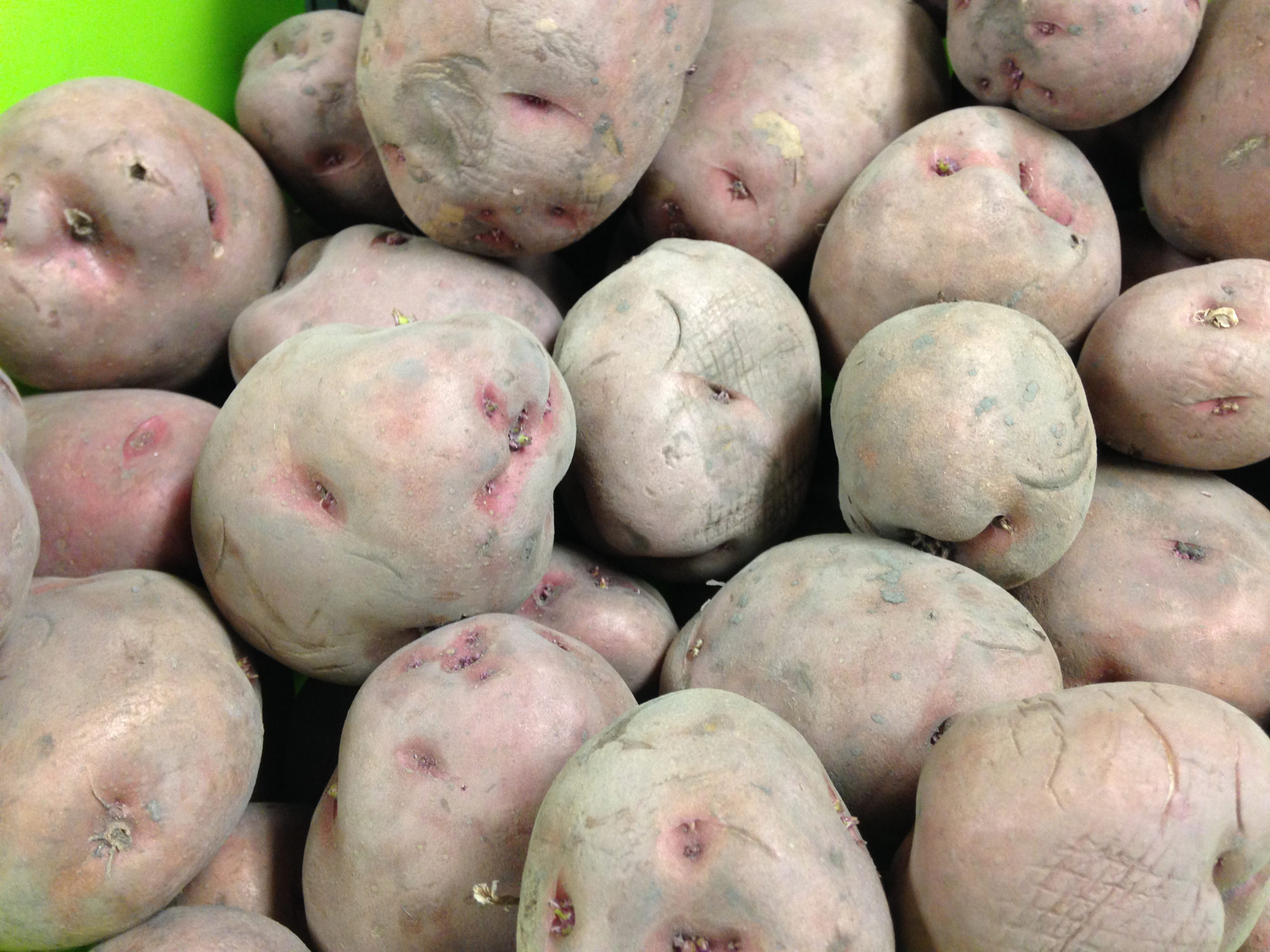
Growing Potatoes in Central Texas Growing potatoes in Central Texas can be a rewarding experience. The are relatively easy to grow and will  produce tasty spuds that you can enjoy for several months. The old-timers always said to get your potatoes in the ground by Washington’s Birthday. In Central Texas that is about 4 weeks before the last freeze. Preparing the Seed Potatoes for Planting Plan ahead by getting your seed potatoes about 5-7 days before planting. You will want to cut them into pieces with each piece containing at [...]

By |2026-02-01T13:20:21-06:00February 14th, 2018|Vegetable Gardening|

Cabbage Loopers

Have you seen holes in your Cabbage leaves? If you have ever grown members of the Crucifer family, such as broccoli, cabbage, cauliflower, kale, radish or turnip, you have probably experienced the wrath of one of three hungry caterpillars. The cabbage looper, the imported cabbageworm and the larvae of the diamondback moth can all make your beautiful vegetable leaves look like Swiss cheese! Learn how to prevent these damaging insects using organic methods.   Where do these cabbageworms come from?   Imported cabbageworms adults are probably the most conspicuous of [...]

By |2025-12-28T10:56:54-06:00January 15th, 2018|Insects, Vegetable Gardening|

Asparagus Planting Guide

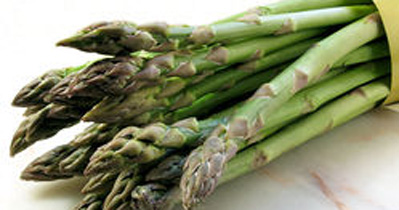
Plant asparagus roots or crowns in late winter/early spring (January-February in Central Texas). Prepare beds with heavy amounts of compost and organic fertilizer. We recommend using a mycorrhizal root inoculant (Happy Frog JumpStart contains both fertilizer and microorganisms, as does MicroLife 6-2-4) at the time of planting, as this has been shown to greatly increase yields in asparagus. Be sure to plant in full sun (at least 8 hours) and make sure that the soil drains well. Because once asparagus gets started it becomes very well established and difficult to [...]

By |2019-01-17T08:38:58-06:00January 2nd, 2018|Vegetable Gardening|
Go to Top