How to Grow Asparagus in Central Texas (Planting, Care, and Harvesting Guide)
Growing asparagus in Central Texas is a long-term investment that pays off with decades of fresh, homegrown harvests. With proper planting, soil preparation, and seasonal care, asparagus crowns can produce for 20 years or more—even in our hot Texas climate.
This guide covers when to plant asparagus in Central Texas, how to prepare your beds, and how to care for asparagus year after year for maximum yields.
When to Plant Asparagus in Central Texas
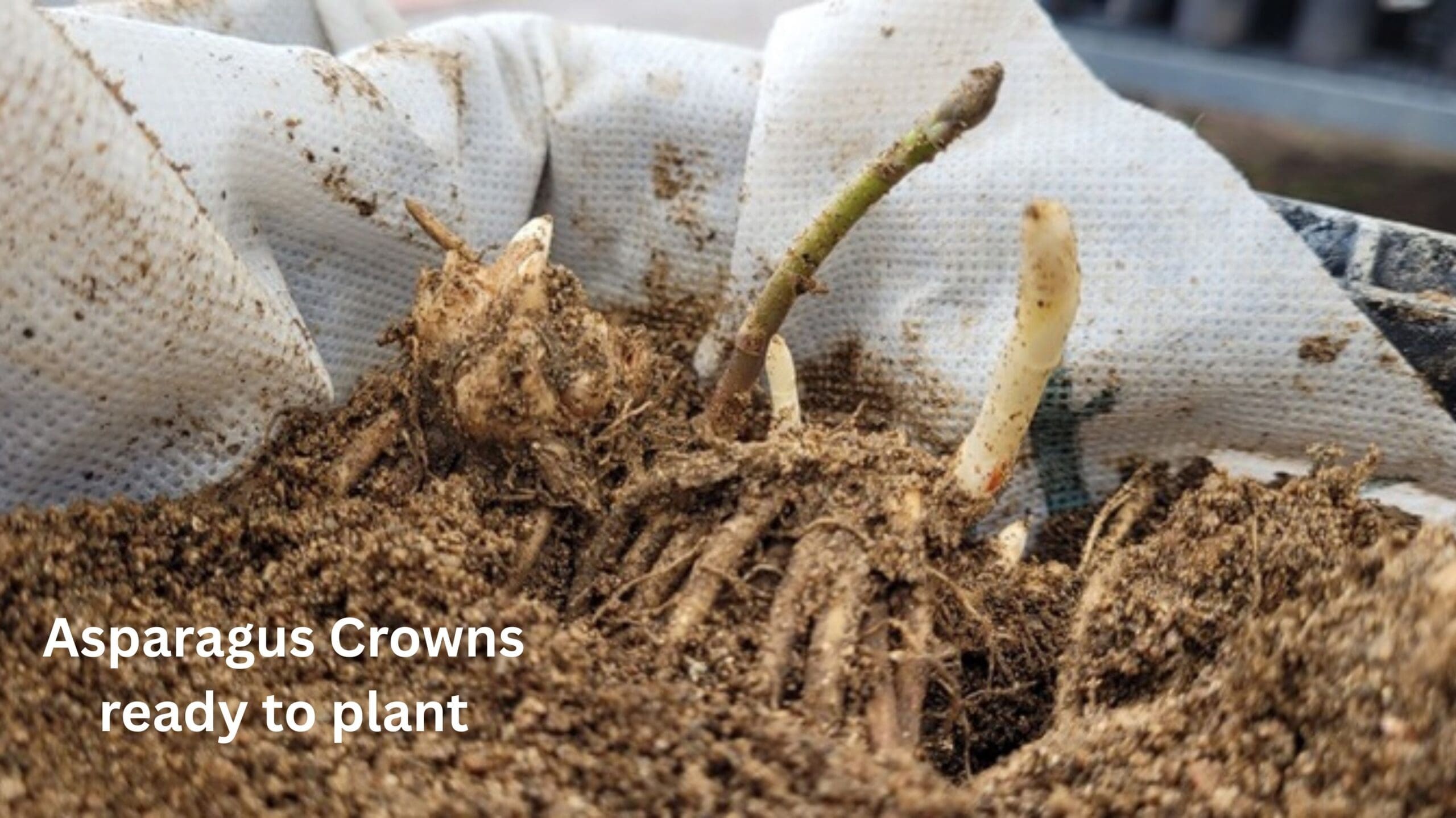
Plant asparagus crowns in late winter to early spring, typically January through February in Central Texas. This timing allows roots to establish before spring growth and summer heat.
Vegetable Planting Guide for Central Texas
Choose a Permanent Location Carefully
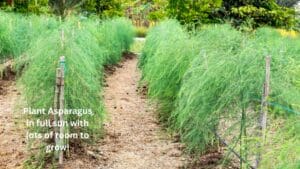 Asparagus is a perennial vegetable that becomes very well established and difficult to remove once planted. Choose its location carefully.
Asparagus grows best in:
-
Full sun (8+ hours daily)
-
Well-drained soil
-
A permanent bed away from annual tilling
Soil Preparation for Asparagus Beds
Healthy soil is the key to productive asparagus in Central Texas.
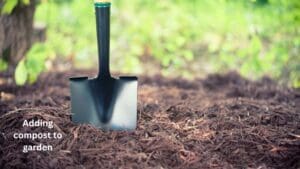 Before planting:
-
Work in large amounts of compost
-
Add a high-quality organic fertilizer
-
Incorporate a mycorrhizal root inoculant at planting time
Mycorrhizal fungi improve nutrient uptake and root development, significantly increasing asparagus yields over time.
Recommended Organic Fertilizers
-
Happy Frog JumpStart (fertilizer + beneficial microbes)
-
MicroLife 6-2-4 Organic Fertilizer (excellent for Texas soils)
How to Plant Asparagus Crowns
Prepare beds and trenches carefully for long-term success.
 Spacing and trench dimensions:
-
Bed width: 3 feet
-
Row spacing: 4 feet apart
-
Trench depth: 8 inches
-
Trench width: ~10 inches
-
Crown spacing: 18 inches apart
Spread roots gently in the trench. Cover crowns with 2 inches of soil/compost/fertilizer mix. As shoots grow, gradually fill in the trench—never bury green shoots completely.
Most trenches fill in by the end of the first growing season. If needed, finish filling during year two.
When (and When NOT) to Harvest Asparagus
Years One and Two: Do Not Harvest
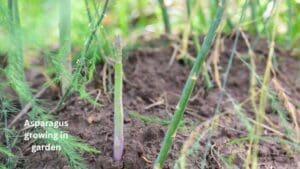 Do not harvest asparagus spears during the first two years. The plants need their foliage to build strong root systems.
During these years:
-
Add compost and organic fertilizer in early spring
-
Fertilize again after the growing season
-
Avoid overwatering to prevent crown rot
Year Three and Beyond: Harvesting Asparagus
 Beginning in the third growing season, harvest tender green spears:
-
Snap spears at ground level
-
Harvest when spears are 6–8 inches tall
-
Expect a 3–4 week harvest window in year three
-
Mature beds can be harvested for 6–8 weeks
Frequent harvesting encourages more spear production. Once harvesting ends, allow spears to grow into tall, fern-like foliage to store energy for next year’s crop.
Fertilizing Established Asparagus Beds
From the third year onward, adjust fertilizing timing:
-
Apply MicroLife 6-2-4 about two weeks before the end of harvest
-
Do not fertilize before spears emerge
-
Watering is not required after application, but watering lightly after application will swell the fertilizer pellets
Watering Asparagus in Central Texas
-
Provide a minimum of 1 inch of water per week during the growing season, depending on soil type and temperatures.
-
Winter watering is only needed if rainfall is less than 1 inch over two weeks
-
Avoid standing water to prevent root and crown diseases
Weed, Pest, and Seasonal Maintenance
Asparagus has very few pest issues.
-
Asparagus beetles: Hand-pick and drop into soapy water
-
Weeds: Mulch generously after harvest to suppress summer weeds

After the first hard freeze:
-
Remove dead tops promptly
-
If no freeze occurs by late fall, cut yellowed foliage to ground level
-
Mound soil over crowns to protect from cold snaps and warm winter fluctuations
How Much Asparagus Can You Expect to Harvest?
With proper care, you can expect 8–12 spears per crown each year. A well-maintained asparagus bed can remain productive for decades, making it one of the most rewarding vegetables for Central Texas gardeners