🌱 Compost Isn’t the Whole Story: Building Healthy Soils in Central Texas
If you’ve spent any time gardening in Central Texas, you already know our soils can be…challenging. From alkaline clays to rocky Hill Country ground, growing healthy plants often starts with improving what’s under your feet. One of the best tools we have is compost—but it’s not a complete solution on its own.
Let’s break down what compost really does in your soil—and why fertilizers still play an important supporting role.
🌿 What Compost Does for Your Soil
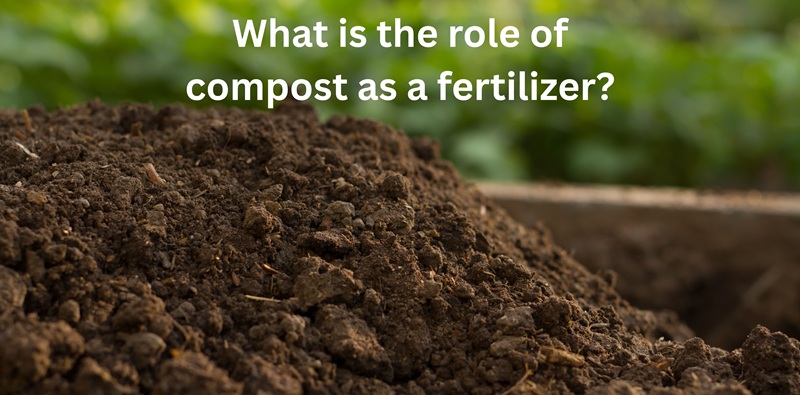
Compost is decomposed organic matter—things like leaves, food scraps, and yard waste that have broken down into a rich, dark material. When added to soil, compost acts more like a soil conditioner than a direct plant food.
1. Improves Soil Structure
Central Texas soils are often heavy clay or very rocky. Compost helps:
-
Loosen compacted clay soils
-
Improve drainage
-
Increase aeration for roots
In sandy soils, it does the opposite—helping retain water and nutrients.
2. Boosts Microbial Life
Healthy soil is alive. Compost introduces and feeds beneficial microorganisms like bacteria and fungi that:
-
Break down organic matter into plant-available nutrients
-
Improve root health
-
Help suppress certain soil-borne diseases
3. Enhances Water Retention
With our intense summer heat and inconsistent rainfall, this is huge. Compost helps soil hold moisture longer, reducing how often you need to water.
4. Adds Slow-Release Nutrients
Compost does contain nutrients like nitrogen (N), phosphorus (P), and potassium (K), but:
-
These nutrients are in low concentrations
-
They are released slowly over time
That’s great for long-term soil health—but not always enough for actively growing plants.
⚠️ Why Compost Alone Isn’t Enough
This is where many gardeners get tripped up. Compost improves soil—but it doesn’t always provide sufficient nutrition for plants, especially in Central Texas conditions.
1. Nutrient Levels Are Too Low
Compost is not a concentrated fertilizer. For example:
-
A typical compost might have around 1-2% nitrogen
-
Plants like tomatoes or turfgrass need much more available nitrogen during peak growth
You’d need unrealistic amounts of compost to meet those demands.
2. Nutrients Aren’t Immediately Available
Most nutrients in compost are tied up in organic forms and must be broken down by microbes before plants can use them. That means:
-
Slow release = good for soil
-
But not ideal for quick-growing crops or correcting deficiencies
3. Central Texas Soils Often Have Specific Deficiencies
Our soils tend to be:
-
Alkaline (high pH)
-
Low in certain nutrients like nitrogen and sometimes iron
Even with compost, plants can still show:
-
Yellowing leaves (chlorosis)
-
Poor growth
-
Low yields
🌾 The Role of Fertilizer
Fertilizers provide nutrients in forms plants can access immediately. Think of them as a supplement—not a replacement for compost.
What Fertilizers Do:
-
Supply targeted nutrients (N, P, K, and micronutrients)
-
Correct deficiencies quickly
-
Support vigorous growth, flowering, and fruiting
🌼 Compost + Fertilizer = The Winning Combo
The best approach for Central Texas gardeners is to use both strategically.
Use Compost To:
-
Build long-term soil health
-
Improve structure and moisture retention
-
Support microbial life
Use Fertilizer To:
-
Meet plant nutrient demands during the growing season
-
Address deficiencies
-
Boost production (especially for vegetables and lawns)
🧑🌾 Practical Tips for Central Texas Gardeners
-
Add compost regularly: 1–2 inches worked into soil each season
-
Test your soil: Know what nutrients you’re lacking
-
Fertilize based on plant needs:
-
Lawns: higher nitrogen
-
Vegetables: balanced fertilizer
-
Native plants: minimal fertilization
-
-
Watch your plants: They’ll tell you when something’s missing
🌻 Final Thoughts
Compost is one of the best investments you can make in your soil—but it’s not a complete feeding program. In Central Texas, where soils can be stubborn and nutrients limited, combining compost with smart fertilization gives you the best of both worlds: healthy soil and thriving plants.
If you treat compost as the foundation and fertilizer as the support system, your garden will reward you season after season. 🌞🌿