About Mary Kay Pope

Mary Kay is an asset to Backbone and a wealth of knowledge! Many customers come in and ask for her by name for all their plant questions. It's no wonder why, as Mary Kay has 47 years of experience in the horticulture field. She holds a B.S. in Horticulture from Ohio State University, a TMCNP and a TCLP from Texas Association of Nurserymen, a Specialist in Urban Trees Certification from Texas A&M, and is a Certified Arborist.

Beyond Cactus for Your Xeriscape

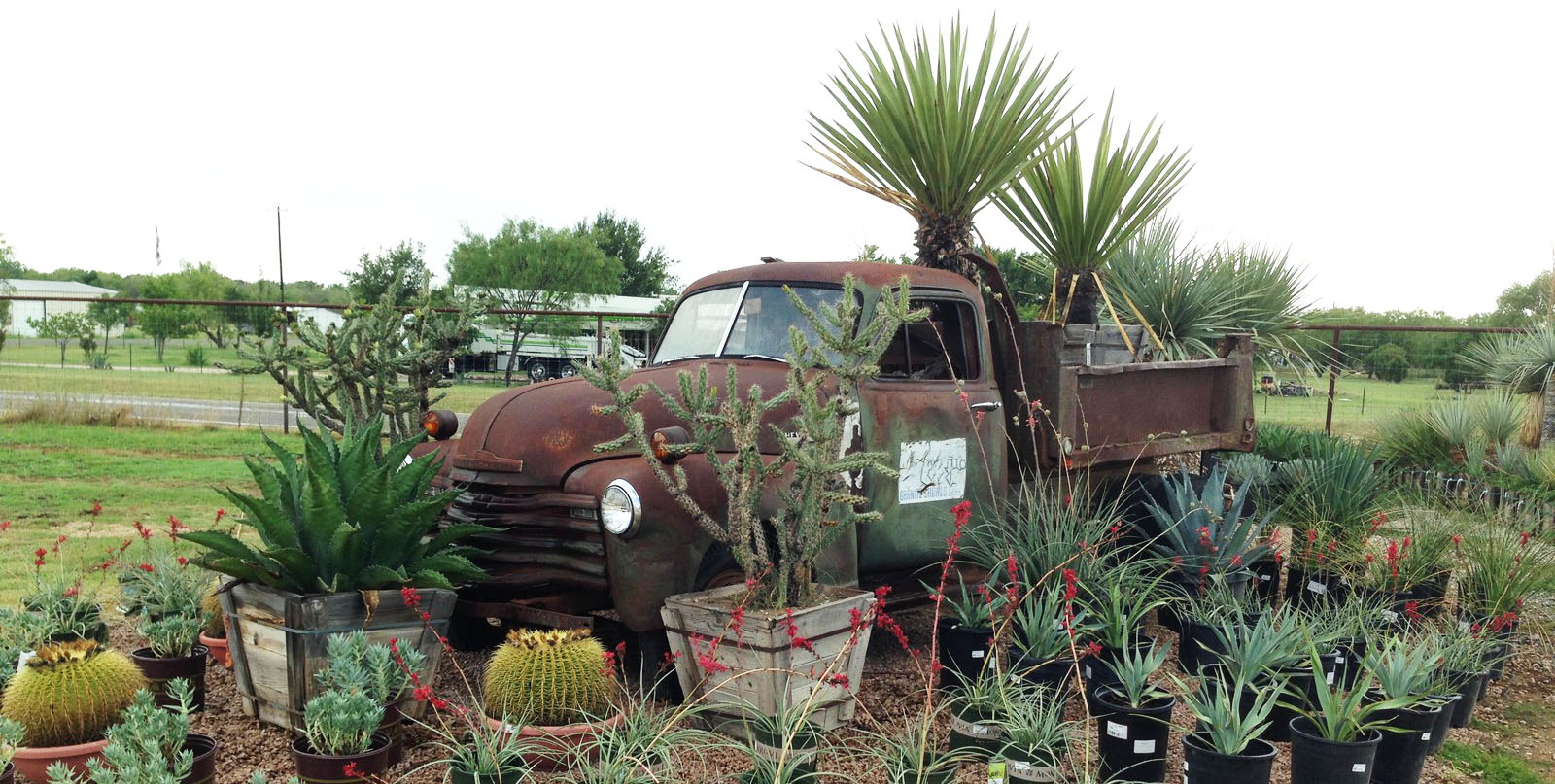
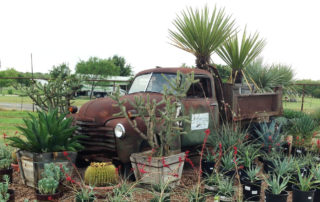
Your Xeriscape Tutorial Anyone who is stuck watering their lawn (or with the water bill) over our long, hot summers can probably appreciate the notion of a nice xeriscape. Cacti are a popular choice for xeriscaping, are well-suited for hot and dry weather, and look sharp (pun intended) in many different settings. They are not the only choice, however. There are many drought-tolerant plants and shrubs that can be added into a water-wise landscape. There are also several plants that are just as low-maintenance as cactus. Click the links to [...]
By |2023-02-28T08:39:44-06:00July 12th, 2018|Succulents and Cacti|

Texas Sage Varieties

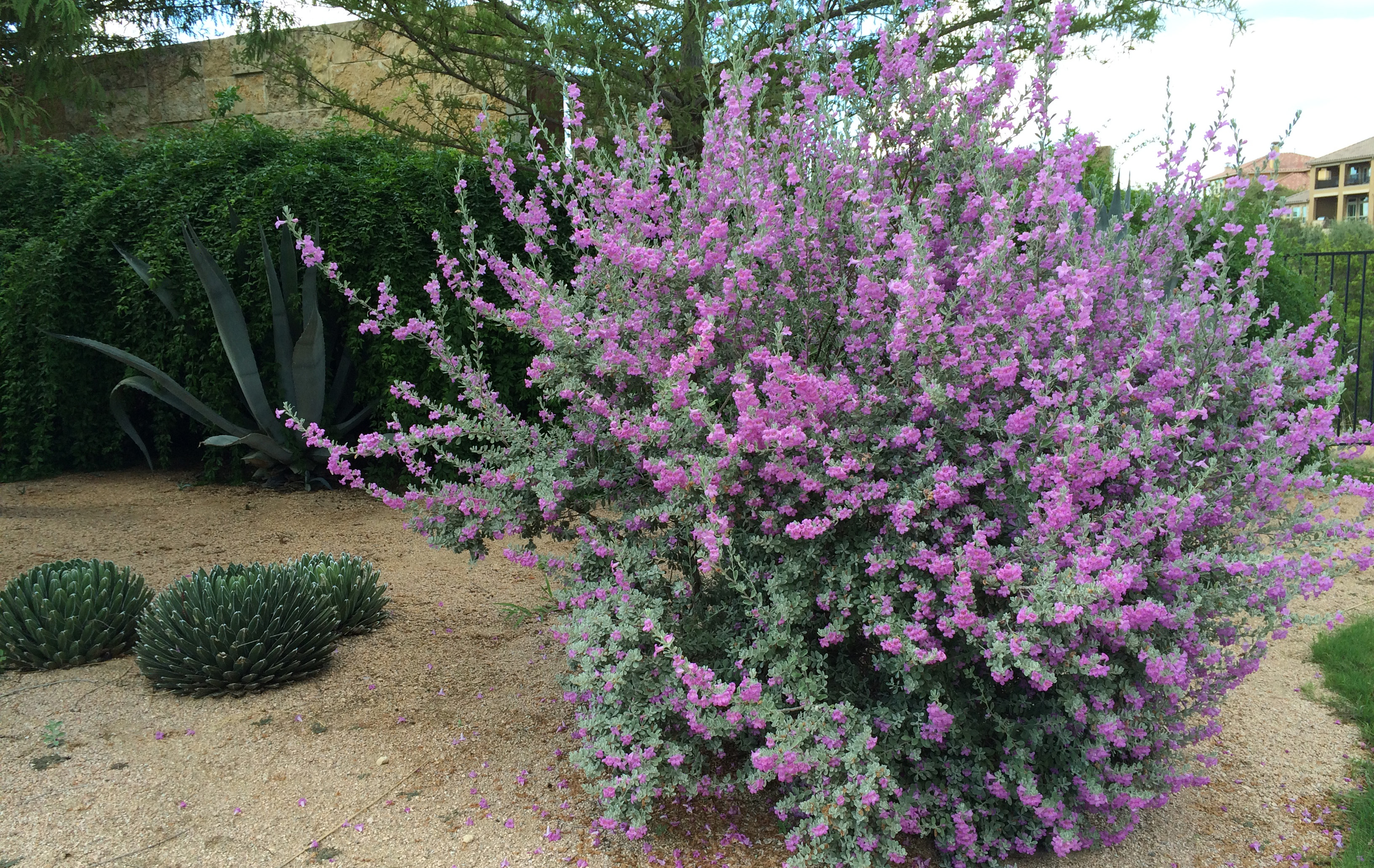
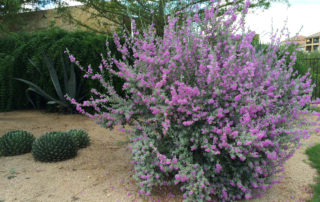
Summer is the perfect time to look around your neighborhood and see what is thriving in the oppressive Central Texas heat. If you have been thinking about planting in a new area, adding screening or simply rejuvenating an existing landscape, observing what does well at the hottest time of the year should give you some great ideas of what will thrive in years to come. Texas Sage, also known as Texas Ranger, Cenizo, or Barometer Bush is one of the most prolific bloomers in our hot summers. Abundant flowers appear [...]

By |2025-11-08T14:17:33-06:00July 4th, 2018|Plants|

Vines for Central Texas

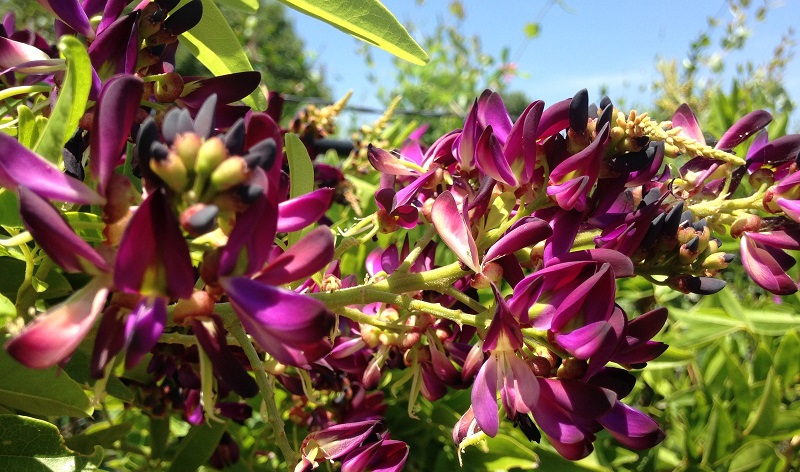
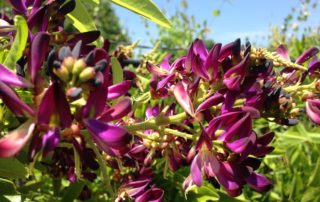
Vines are used for many different purposes in the landscape. We might want to cover a fence to provide a screen, attract hummingbirds with a flowering vine, or just provide aesthetic appeal. Fortunately, we have a plethora of vines to choose from. Some things to consider before choosing a vine are its mature size, whether it requires sun or shade, if it is an annual or perennial, evergreen, deciduous, herbaceous, whether it climbs using tendrils, “holdfasts” by twining, and what attributes it can contribute to the landscape. CLICK HERE for [...]

By |2018-06-25T12:13:16-05:00June 25th, 2018|Plants|

My Crape Myrtles Aren’t Blooming!

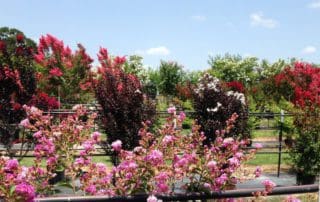
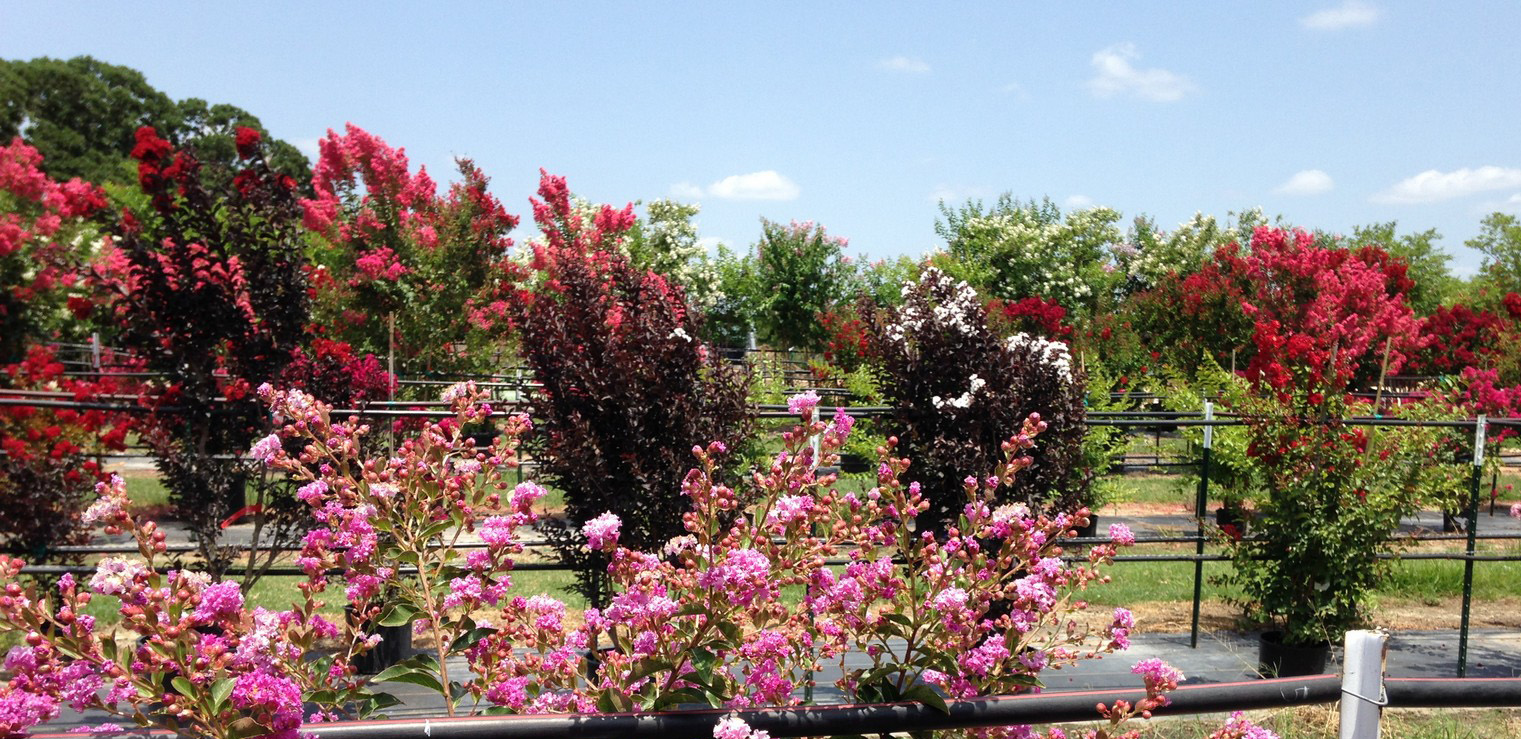
Every year I get several inquiries about why someone’s Crape Myrtle is not blooming. There are several conditions that might affect a Crape Myrtle’s bloom period. Read the causes below to help figure out why yours don’t bloom. *Different varieties begin blooming at different times. Natchez (white) is usually one of the first to begin blooming. Some varieties may not begin blooming until late June. *Crape Myrtles require at least 8 hours of direct sun to bloom. If your Crape Myrtle receives too much shade, it will not bloom. *Insects [...]

By |2024-07-02T08:15:00-05:00June 13th, 2018|Trees|

Blossom-End Rot

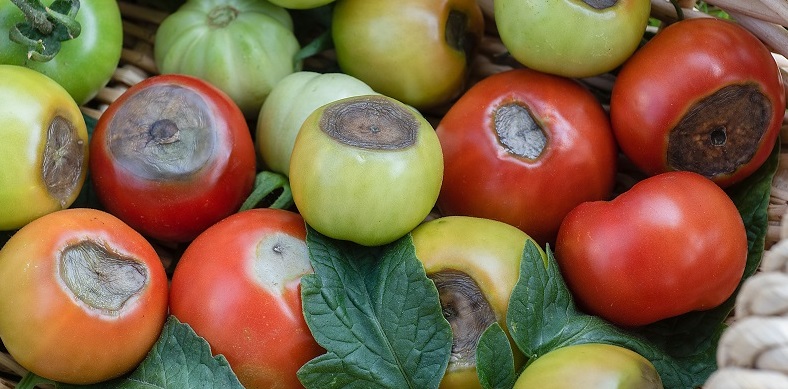
If you have ever had the “blossom end” of a tomato turn black, you have experienced “blossom end rot”. Caused by cultural conditions, and NOT disease, this malady can affect tomatoes, peppers, squash, watermelon and eggplant. Researchers agree that it is caused by a calcium deficiency in the blossom end of the fruit (yes, these are technically fruits, as they are actually formed from the ovary of a flower!) Now, why there is a deficiency is the real question, as Central Texas soils and water supplies are seldom deficient in [...]

By |2023-06-13T11:25:03-05:00June 13th, 2018|Vegetable Gardening|

Grapes for Central Texas

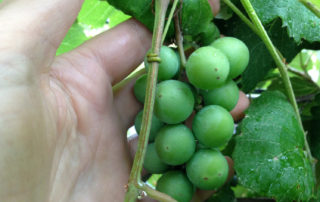
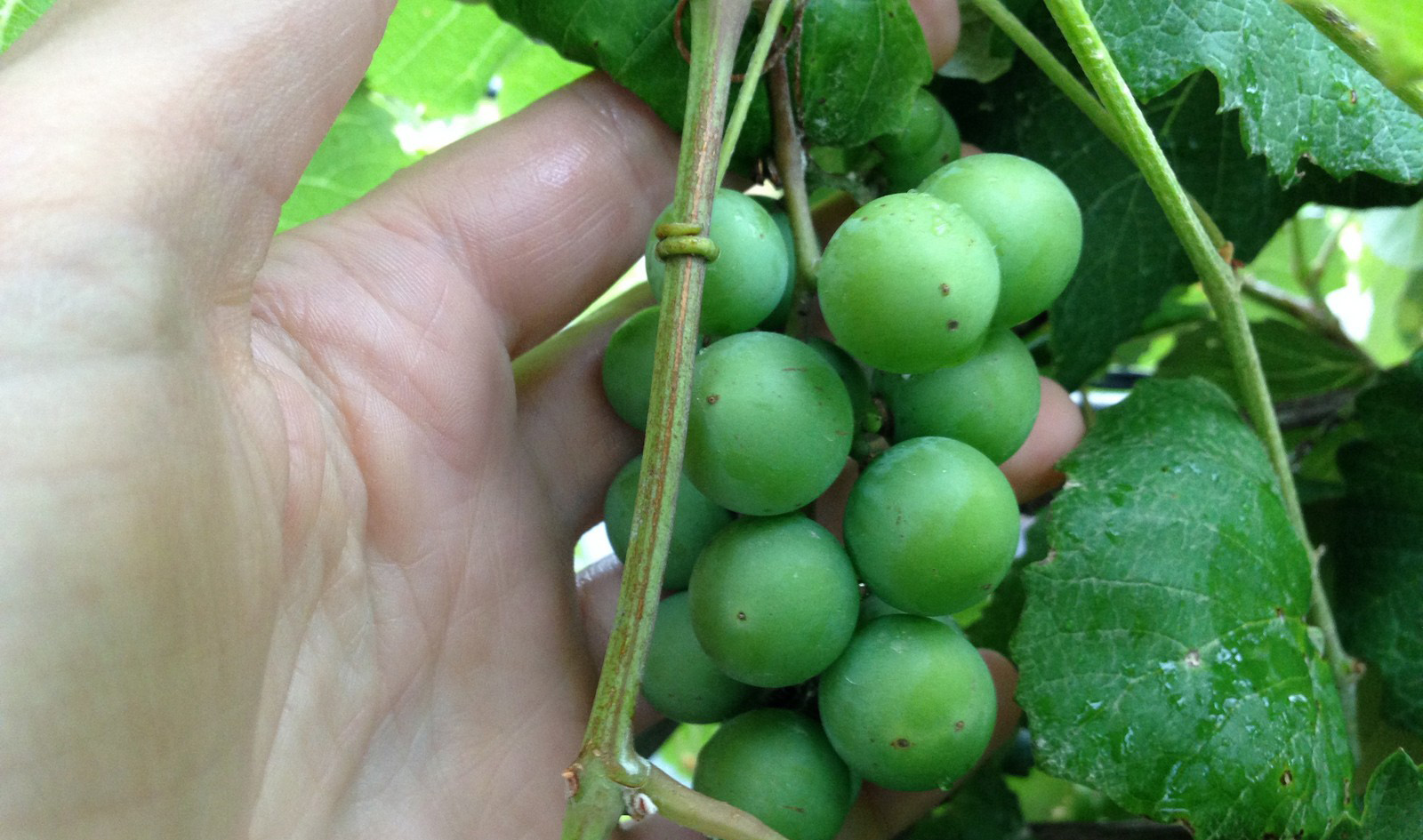
Backyard grape growing has become very popular in recent years in Central Texas. Both table grapes and grapes for producing wine are available to the homeowner. I am a jelly-maker, and have enjoyed Black Spanish Grapes for my jelly-making endeavors in the past. It truly makes a very flavorful jelly! Here are the grapes we have available this year for you to grow: ‘Blanc duBois’ is a white table grape which grows on a vigorous vine. The grape clusters are medium-sized and ripen in June to July in Central Texas. [...]

By |2022-03-15T14:19:44-05:00June 5th, 2018|Fruit & Nuts|

Lace Bug

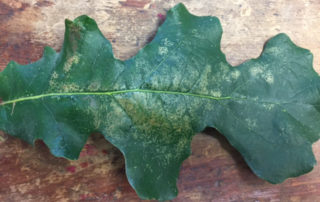
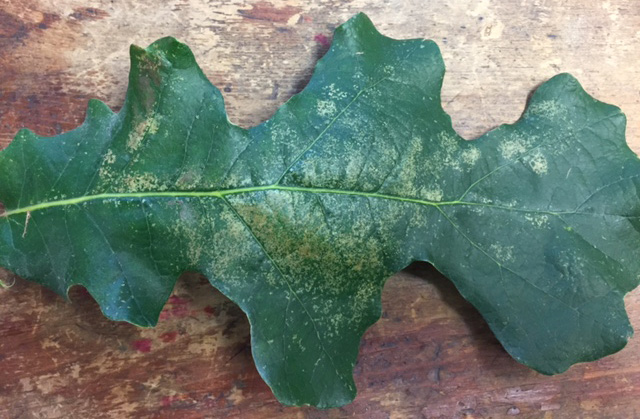
    There are many species of Lace bugs that can become abundant on certain host plants in certain years. (Do not confuse these with “LaceWINGS”, which are bright green, winged beneficial insects. Lacewing larvae eat aphids!) This year we have seen the destructive pest, Lacebug, on Texas Persimmon, Lantana and Elm trees. Watch for them on Azalea, Texas Sage, Pyracantha, Redbud, Bur Oak and Sycamore as well.     Adult lace bugs are 1/8” to ¼” long and appear flattened. The wings are lace-like, and appear clear. Usually a [...]

By |2022-08-07T16:45:05-05:00June 5th, 2018|Insects|

Pecan Caterpillars

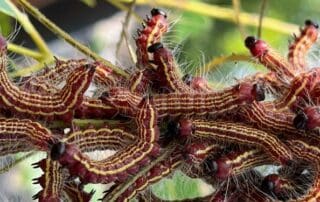
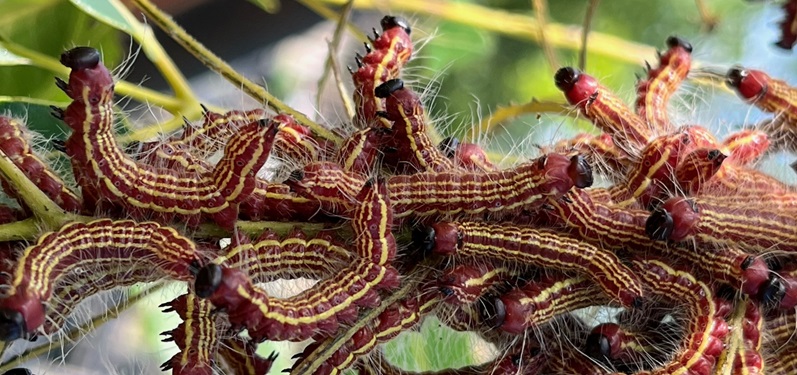
It happens every year. Pecan tree leaves just are tasty to many different caterpillars, and it is inevitable that your trees will become dinner to one type of caterpillar or another at some time during the year. So, which one do you have, and how do you control them?   Walnut Caterpillars  and Yellownecked caterpillars usually appear in the summer and fall in Central Texas. There are at least two generations in Texas with the second usually being the largest in numbers. They are fairly large, up to an inch [...]

By |2025-07-13T11:51:48-05:00June 5th, 2018|Fruit & Nuts, Insects|

Orange Zest Cestrum

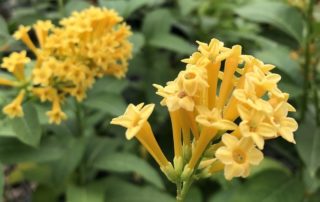
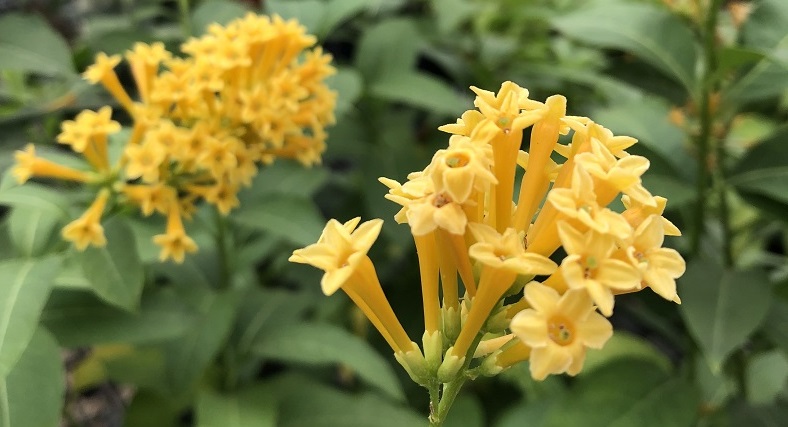
How many plants do you know of that can take Central Texas heat, flower from spring to frost, be reliably DEER RESISTANT, and give fragrance in the evening? Welcome to Orange Zest Cestrum! This Zone 8 plant is a result of a cross between the greenish-white flowered Night-blooming Cestrum (Cestrum nocturnum) and the white flowered Day-blooming cestrum (Cestrum diurnum). Both are native to the Caribbean. AKA Orange Peel Cestrum, this plant can be evergreen in mild winters, deciduous in moderate winters, and a root-hardy perennial shrub in cold winters. Orange [...]

By |2020-07-22T17:02:40-05:00May 29th, 2018|Plants|

Bringing in the Butterflies!

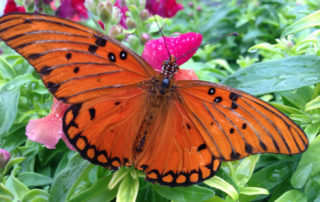
Working in a nursery certainly has its advantages. When the butterflies are out in force, it is a show-stopping display! Most of you know that butterflies have less specific “nectar” plants for the adult butterflies and more specific “food” plants for the caterpillars. It is interesting that the adults will often scope out where to lay their eggs while they are feeding on nectar. For this reason, it is helpful to have some of the “food” plants nearby when planting your nectar garden. An example of a “food” plant for [...]

By |2018-05-29T12:07:30-05:00May 29th, 2018|Insects, Plants|

Grasshopper Control

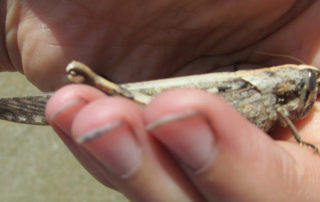
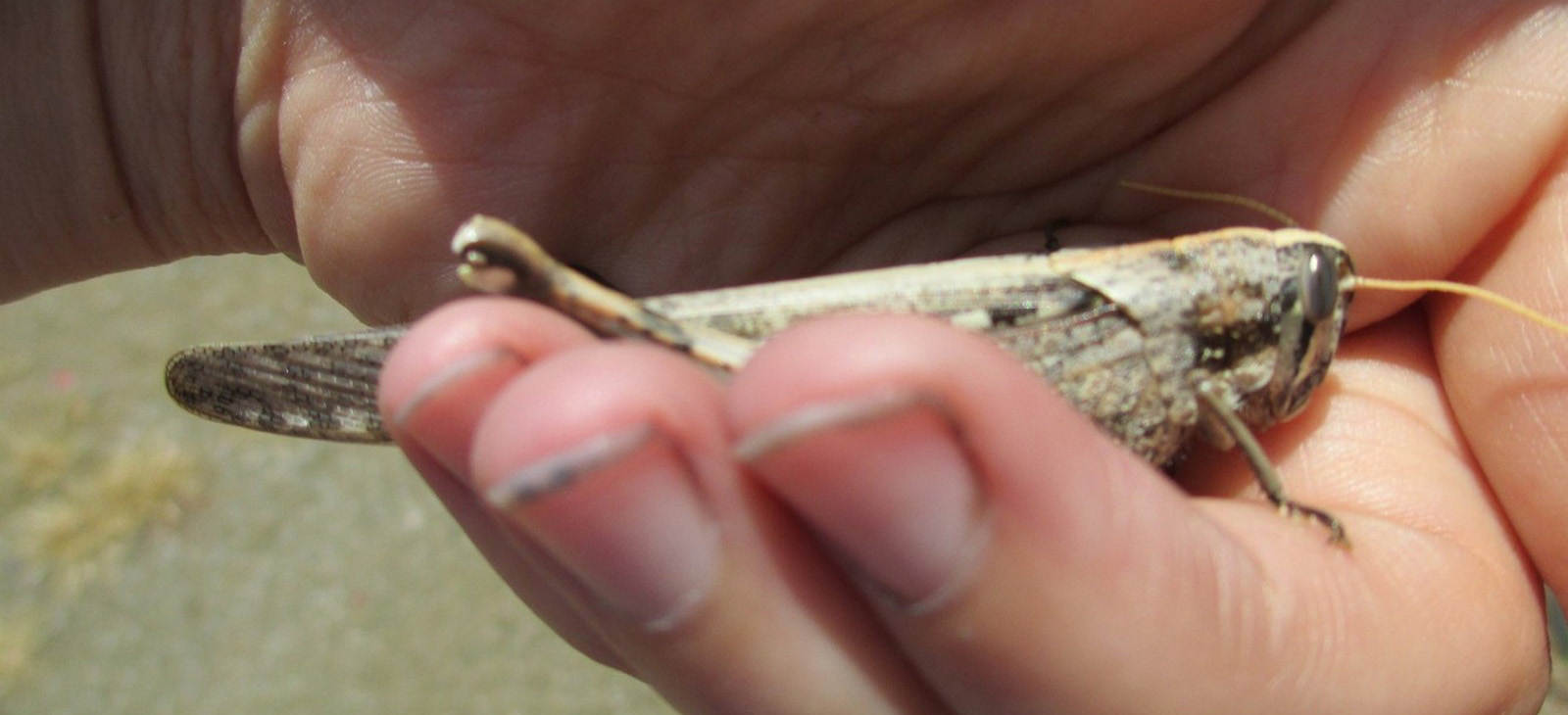
As our weather becomes hotter and drier, grasshoppers will become plentiful. Studies have shown that they are more plentiful and more voracious feeders in hot, dry years. When we have cool, wet springs, they are affected by a naturally occurring fungal disease that can control the population a bit. Because we have little doubt that this summer will be hot and dry, NOW is the time to start control of these destructive insects with Nosema locustae, a single-celled microsporidium protozoan that is impregnated on wheat bran and broadcast in affected [...]

By |2020-03-03T11:49:04-06:00May 23rd, 2018|Insects|

Plumerias in Central Texas!

Growing Plumeria Plumeria are best grown in pots here, as they require protection from temperatures below 33 degrees. Locate your Plumeria in a minimum of 6-8 hours of sun, with some shade from the afternoon sun, if necessary. A well-drained potting soil, such as Fox Farm Happy Frog potting soil, is a must for these plants. Their root systems will seem small for the size of plant, and repotting should be done only when the plants have filled their pots with roots. A 4”-6” jump in pot size is all [...]

By |2024-05-13T15:39:46-05:00May 23rd, 2018|Plants|
Go to Top