
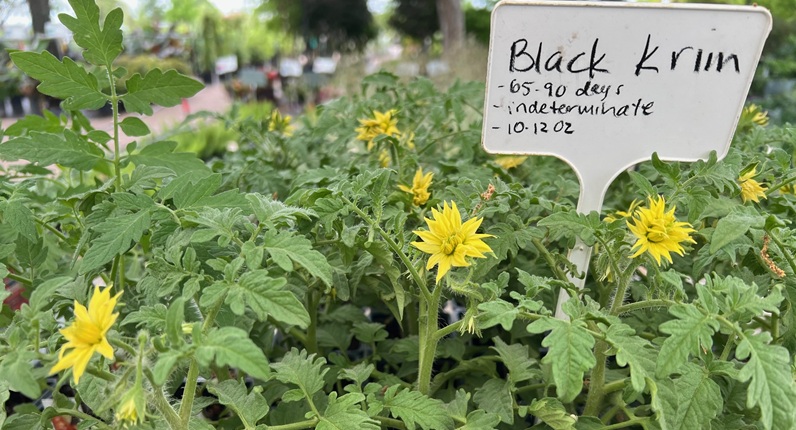
Title: What Are Tomato “Mega Blooms”? (And Should You Be Excited or Worried?)
If you’ve been out in your Central Texas garden lately and noticed a giant, almost strange-looking tomato flower—maybe thick, fused, or just extra—you’ve likely encountered what we call a tomato mega bloom. These unusual blossoms can catch even seasoned gardeners off guard, so let’s dig into what they are, why they happen, and whether they’re something you should celebrate… or pinch off.
🌼 What Is a Tomato Mega Bloom?
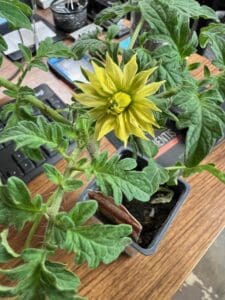

A tomato mega bloom (also called a “fused blossom” or “catfaced flower”) occurs when multiple flower parts merge into one oversized bloom. Instead of a neat, star-shaped yellow flower, you’ll see a dense, often ruffled structure that looks more like a floral mutation than a typical tomato blossom.
These blooms are most common on large-fruited heirloom varieties—think beefsteaks—and they usually appear on the first set of flowers early in the season.
This type of flower is also known as a “fasciated flower”. Read our blog about this phenomena HERE.
🍅 What Happens If You Leave It?


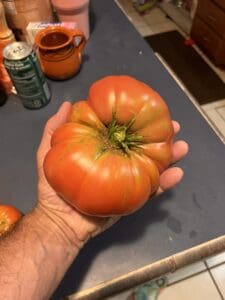
If pollinated, a mega bloom can produce a huge, oddly shaped tomato. Sometimes these fruits are impressive conversation starters—deeply lobed, scarred, or flattened—but they’re often:
- Misshapen
- Prone to cracking
- More susceptible to pests and rot
This condition is commonly referred to as catfacing, and while the fruit is still edible, it’s usually not what you’d call market-perfect.
👉 Pro tip: Many gardeners in Central Texas choose to pinch off mega blooms early so the plant can focus energy on producing more uniform, healthy fruit later in the season—especially important before our intense summer heat sets in.
🌡️ Why Do Mega Blooms Form?
Mega blooms are typically triggered by environmental stress during flower development, especially:
- Cool nighttime temperatures (below ~55°F) This study explains more.
- Sudden temperature swings
- High nitrogen levels
- Physical damage to developing buds
In Central Texas, this often happens when we get those late spring cold snaps followed by rapid warming.
🌿 A Quick History: How Tomato Flowers Evolved
Tomatoes didn’t always look—or reproduce—the way they do today. Understanding their evolution helps explain why mega blooms happen at all.
Wild tomato ancestors in South America had longer pistils (the female part of the flower), which often extended beyond the surrounding anther cone (the pollen-producing structure). This made them more likely to be cross-pollinated by insects.

- Shorter pistils tucked inside the anther cone
- Flowers that can pollinate themselves with just a bit of wind or vibration
- More consistent fruit production without needing pollinators
This shift was crucial for agriculture—but it also made the flower structure more compact and, in some cases, more prone to developmental quirks like fusion, especially under stress.
🐝 Pollination in Today’s Garden
Even though modern tomatoes are self-pollinating, they still benefit from a little help. In your Central Texas garden:
- Wind usually does the trick
- Native bees and bumblebees can improve fruit set through “buzz pollination”
- Gently shaking plants can help during still, humid weather
Mega blooms, however, can be harder to pollinate properly due to their unusual structure.
🌞 Should Central Texas Gardeners Remove Mega Blooms?
Here’s the bottom line:
- Want a giant, funky tomato? Leave it!
- Want consistent, high-quality fruit through the season? Pinch it off early
Given our short window before extreme summer heat, many local gardeners lean toward removing them to keep plants productive and less stressed.
🌱 Final Thoughts
Tomato mega blooms are a fascinating reminder that plants don’t always follow the rules. They’re shaped by both ancient evolutionary traits and modern environmental conditions—especially here in Central Texas, where the weather loves to keep us guessing.
So next time you spot one, you’ll know exactly what’s going on—and you can decide whether to grow a tomato giant… or keep things tidy for the long haul.
If you’ve seen mega blooms in your garden this season, we’d love to hear about it—stop by the nursery or bring us a photo! You may email photos to info@backbonevalleynursery.com